
Home Affairs sets 2028 deadline to end green ID books in South Africa
Partner banks and online portals offer a faster route to upgrade as digital verification takes over and replacement fees kick in.
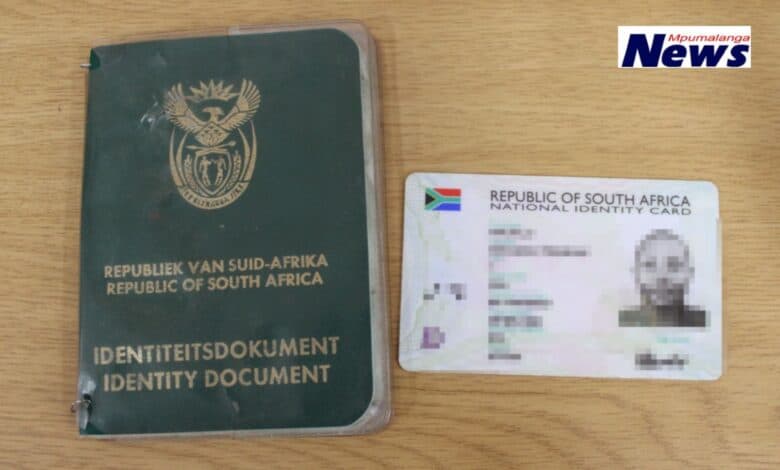
An estimated 14.7 million South Africans and permanent residents are still relying on the green barcoded ID book, but the Department of Home Affairs (DHA) has set a strict timeline for its final retirement.
According to the roadmap announced by Minister of Home Affairs Leon Schreiber on October 1, the countdown is officially underway.
The final date for the production of green ID books is March 31, 2027, and green ID books will officially cease to be recognised as valid legal identity documents in South Africa on March 31, 2028.
Schreiber has repeatedly said the DHA is phasing out the green books to combat identity fraud and modernise the country’s security infrastructure.
Smart cards curb identity theft
The microchip-embedded Smart ID card offers advanced security features that make forgery significantly harder, which protects citizens against identity theft and fraud.
Furthermore, financial institutions, government agencies and service providers are increasingly transitioning exclusively to digital verification systems, making the Smart ID an essential tool for everyday transactions.
ALSO READ: University of Mpumalanga scraps application fees
Card upgrades carry R140 fee
First-time applicants (youth turning 16) and senior citizens (60 and older) receive their Smart ID card for free, while citizens upgrading from the green ID book will face a nominal replacement fee of R140.
The affected public is urged to avoid long queues and last-minute panic as the 2028 deadline approaches. Residents can streamline their applications online via eHomeAffairs or by visiting any of the major banks partnered with the DHA to offer quick-service Smart ID and passport applications.
Residents are encouraged to check their personal details, gather the necessary documentation – such as marriage certificates if names have changed – and make the transition well ahead of the 2028 deadline.