
Covid-19: 80 million infants worldwide face risk of further diseases – WHO
According to data collected by the World Health Organization, Unicef, Gavi and the Sabin Vaccine Institute, provision of routine immunisation services is substantially hindered in at least 68 countries and is likely to affect approximately 80 million children under the age of 1 living in these countries.
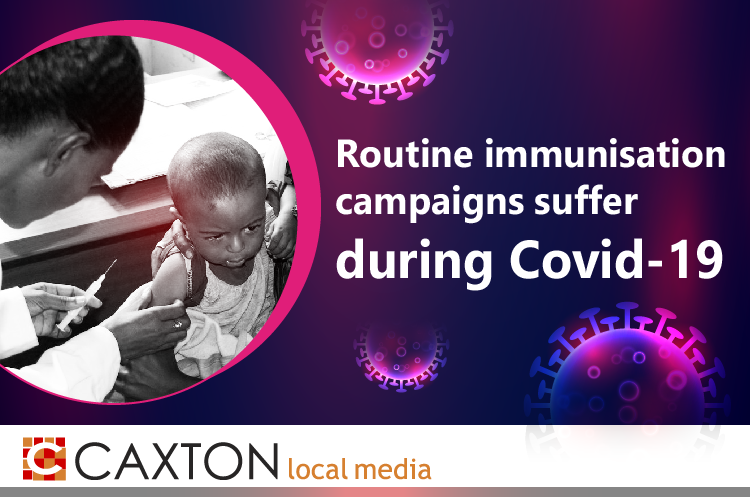
At least 80 million children under the age of one year are at risk of diseases such as diphtheria, measles and polio as Covid-19 disrupts routine vaccination efforts, warn several international organisations.
These organisations have called for a joint effort to deliver routine immunisations, and proceed with vaccination campaigns against deadly vaccine-preventable diseases.
According to data collected by the World Health Organisation, Unicef, Gavi (The Vaccine Alliance) and the Sabin Vaccine Institute, provision of routine immunisation services is substantially hindered in at least 68 countries – rich and poor alike.
Since the start of the pandemic, more than half (53%) of the 129 countries where data was available reported moderate-to-severe disruptions, or a total suspension of vaccination services during March-April 2020, according to the statement.
“Immunisation is one of the most powerful and fundamental disease prevention tools in the history of public health,” said Dr Tedros Adhanom Ghebreyesus, WHO Director-General. “Disruption to immunisation programmes from the Covid-19 pandemic threatens to unwind decades of progress against vaccine-preventable diseases like measles.”
The reasons for disrupted services vary. Some parents are reluctant to leave home because of restrictions on movement, lack of information or because they fear infection with the Covid-19 virus. And many health workers are unavailable because of restrictions on travel, or redeployment to Covid-19 response duties, as well as a lack of personal protective equipment.
“More children in more countries are now protected against more vaccine-preventable diseases than at any other point in history,” said Dr Seth Berkley, Gavi CEO. “Due to Covid-19 this immense progress is now under threat, risking the resurgence of diseases like measles and polio. Not only will maintaining immunisation programmes prevent more outbreaks, it will also ensure we have the infrastructure we need to roll out an eventual Covid-19 vaccine on a global scale.”
Transport delays of vaccines are exacerbating the situation. Unicef has reported a substantial delay in planned vaccine deliveries due to the lockdown measures.
“We cannot let our fight against one disease come at the expense of long-term progress in our fight against other diseases,” said Henrietta Fore, Unicef Executive Director. “We have effective vaccines against measles, polio and cholera. While circumstances may require us to temporarily pause some immunisation efforts, these immunisations must restart as soon as possible, or we risk exchanging one deadly outbreak for another.”
Next week, WHO will issue new advice to countries on maintaining essential services during the pandemic, including recommendations on how to provide immunisations safely.
Notice: Coronavirus reporting at Caxton Local Media aims to combat fake news
Dear reader,
As your local news provider, we have the duty of keeping you factually informed on Covid-19 developments. As you may have noticed, mis- and disinformation (also known as “fake news”) is circulating online. Caxton Local Media is determined to filter through the masses of information doing the rounds and to separate truth from untruth in order to keep you adequately informed. Local newsrooms follow a strict pre-publication fact-checking protocol. A national task team has been established to assist in bringing you credible news reports on Covid-19.
Readers with any comments or queries may contact National Group Editor Irma Green (irma@caxton.co.za) or Legal Adviser Helene Eloff (helene@caxton.co.za).
Read original story on northcliffmelvilletimes.co.za

