
Excitement as Pretoria Zoo welcomes baby giraffe calf
WARNING: GRAPHIC VIDEO OF ANIMAL GIVING BIRTH. The last calf to be born at the zoo was about 20 years ago.
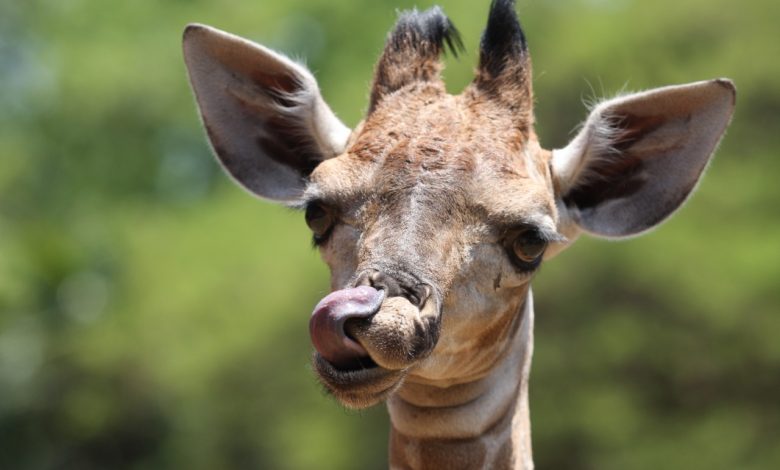
The National Zoological Gardens, also known as the Pretoria Zoo recently welcomed a male giraffe to their family. A newborn Southern giraffe had to be hand-raised as his mother was not feeding it sufficiently. Principal clinical veterinarian, Doctor Robert Campbell said that it often happens with first-time mothers. “The calf was put in a boma for approximately two weeks and was monitored closely,” he said. The nine-year-old mother gave birth to the calf on 28 September.

He has been hand-raised for the past 22 days now and was taken back to his parents on Tuesday morning where after his father started to socialise with his son. When born, he weighed 74kg and at this stage a solid 110kg.
“He was frightened once he saw his parents again for the first time, but we are very happy with his progress. “We want to get his health and welfare to a high standard and then in that aspect establish bonding and give him a name,” said Campbell.
Campbell added that the calf might likely stay for a year, maybe a little bit less as calves get weaned at about seven to nine months. “At nine months they get weaned and then their height is about 2.4m,” he said.

“He will most likely become an exhibit animal in a facility where a decision will be made as to what is best to save his own species. “You got to consider the logistics when shifted in terms of bridges, traffic, and in terms of how to transport them safely.”
The calf drinks between 12-14 litres of farm-fresh cow milk per day. He adores fooling around, playing and sucking one’s thumb.
The last calf to be born at the zoo was about 20 years ago.
The Southern giraffe is considered a vulnerable species by the International Union for Conservation of Nature (IUCN) red list of threatened species.
The zoo also recently welcomed new animals. Three red-necked female wallabies were transported from the Karoo on Tuesday.
They are housed in the Australian section. Red-necked wallabies are marsupials; they are pouched animals that give birth to joeys that are reared in the doe’s pouch.

They are classified as least concern by the IUCN red list threatened species.
“It has been a stressful journey from the Karoo to Pretoria. “They are still in an induction phase and it will take about 10 days for them to adjust to their new environment. “The Australian section of the zoo was specifically built for a species like the red-necked wallaby,” Campbell concluded.
They are four, six, and eight years of age respectively.
Here’s a video of the mother giving birth to the calf.
Please note that this video is of a GRAPHIC NATURE:
Read original story on rekordeast.co.za

