
World celebrates Wetlands Day amid Covid-pandemic
The world celebrates World Wetlands Day on Tuesday, 2 February amid the worldwide Covid-pandemic.
This day also marks the date of the adoption of the Convention on Wetlands on 2 February 1971, in the Iranian city of Ramsar, said Dana Wannenburg, member of the mayoral committee (MMC) for the Tshwane department of Environmental and Agriculture Management.
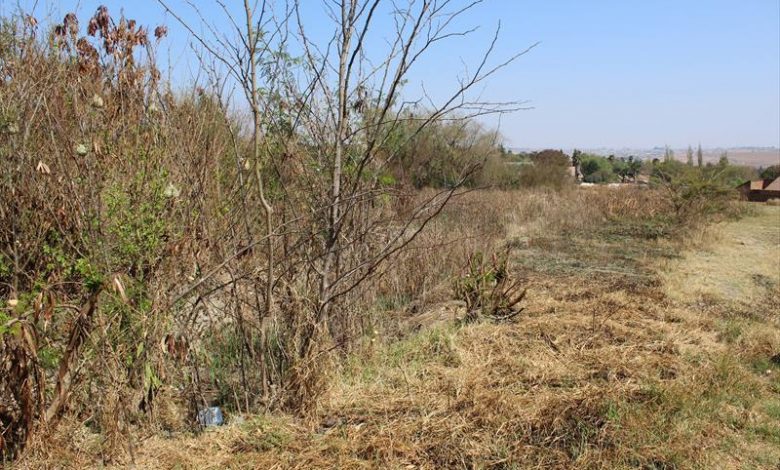
He said in Tshwane there are a total of 31 wetlands, of which five are in region 4 which incorporates Centurion and Irene in the east, Olievenhoutbosch in the south and the Rhens Nature Reserve in the west. The Hennops River basin is also situated in this area.
The department’s Smiley Planet indicated this year’s theme is Wetlands and Water.
“Wetlands are in crisis. Population growth, urbanisation and consumption patterns have put unbearable pressure on wetlands. Life is dependent on wetlands, we need properly functioning wetlands for our survival.”
The department indicated wetlands do the following: support social and economic development, store and clean water, hold and provide most of our fresh water, naturally filter pollutants, keep us fed, provide a home for nature and provide protection from floods.
Wannenburg said this year’s theme shines a spotlight on wetlands as a source of freshwater and encourages actions to restore them and stop their loss.
“We are facing a growing freshwater crisis that threatens people and our planet. We use more freshwater than nature can replenish, and we are destroying the ecosystem that water and all life depend on most, namely wetlands.”
He said the 2021 campaign highlights the contribution of wetlands to the quantity and quality of freshwater on our planet. Water and wetlands are connected in an inseparable co-existence that is vital to life, our well-being and the health of our planet.
“Wetlands are land areas that are saturated or flooded with water either permanently or seasonally. Inland wetlands include marshes, ponds, lakes, fens, rivers, floodplains, and swamps. Coastal wetlands include saltwater marshes, estuaries, mangroves, lagoons and even coral reefs. Fishponds, rice paddies, and saltpans are human-made wetlands,” he said.
“According to statistics of 2016 we have 35 unique wetland ecosystem types and 19 river ecosystem types in Tshwane, of which 83% of our wetland, and 58% of our river ecosystem types are threatened.”
For more information, visit the official World Wetlands Day website by clicking here.
Wetlands and water quality:
2.2 billion people do not have access to safe drinking water.
Clean water is critical for a healthy life.
Address and #BeatPollution in wetlands.
#RestoreWetlands #WorldWetlandsDay pic.twitter.com/KftwdpdTfI— UN Environment Programme (@UNEP) February 2, 2021
Notice: Coronavirus reporting at Caxton Local Media aims to combat fake news
Dear reader,
As your local news provider, we have the duty of keeping you factually informed on Covid-19 developments. As you may have noticed, mis- and disinformation (also known as “fake news”) is circulating online. Caxton Local Media is determined to filter through the masses of information doing the rounds and to separate truth from untruth in order to keep you adequately informed. Local newsrooms follow a strict pre-publication fact-checking protocol. A national task team has been established to assist in bringing you credible news reports on Covid-19.
Readers with any comments or queries may contact National Group Editor Irma Green (irma@caxton.co.za) or Legal Adviser Helene Eloff (helene@caxton.co.za).
Read original story on rekordeast.co.za

