
‘Izinyoka’ gets you illegally connected to KwaDukuza municipality’s electrical grid for R2 000
For a once-off fee of R1 000 or less, or for as much as R2 000, informal communities on the North Coast - with no electricity - can get connected to street lights and transformers to bring power to their shacks.
While KwaDukuza municipality has taken a strong stance to curb illegal electricity connections which have cost them millions in lost revenue, electrifying informal settlements is big business on the North Coast, North Coast Courier reports.
Since the squatter camp at Sheffield went up more than a year ago, a large number of shacks there have been connected to the electricity grid from a nearby transformer situated near the Sharks Board office.
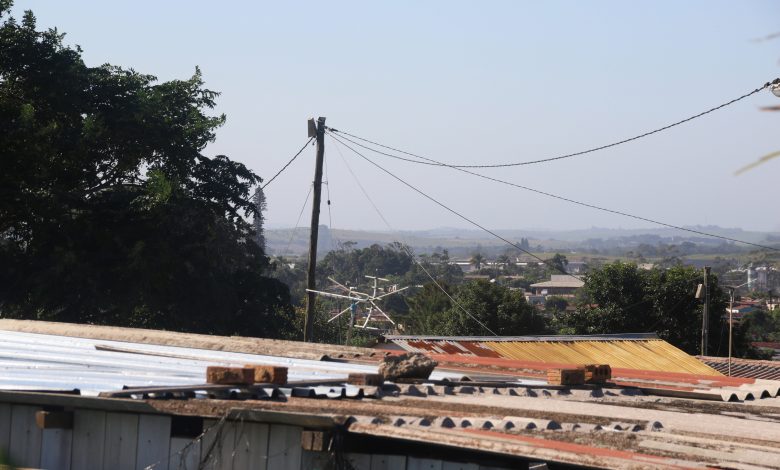
The izinyoka lines – a Zulu slang word for illegal connected electricity lines derived from the word for snake – can be seen hanging from a tree and have been connected to overhead electricity cables that run the wire down between the shacks.
Illegal electricity lines can be seen hanging from a tree and have been connected on wooden poles with overhead electrical cables that run the wire down between the shacks on the P445 looking towards Caledon Estate.Izinyoka syndicates operate in informal communities and squatters told the Courier it was the only way they could get electricity.
The fees charged range from R400 to R1 000 depending on how many connections are made.
“We know it is illegal, but we will continue to connect electricity illegally because we also need it,” said a elderly shack dweller at Sheffield.
Ward councillor Privi Makhan said large scale illegal connections to the nearby shacks were removed by KDM on May 2 but the very next day they were back up again.

“Those involved in the fraudulent use of electricity should be charged,” she said.
“The damage to electricity infrastructure and the potential of the electricity network being compromised by this criminal practice cannot be quantified.”
But squatters said KDM officials were wasting their time and money by removing the cables, because “izinyoka” would just be replaced.
Webs of uncovered cables running along the ground can be seen among shacks going up on vacant municipal land along the P445 (the extension of Ballito Drive) bordering Shaka’s Head and Caledon Estate.
A resident told the Courier some of the new shack dwellers moving into the area were paying a once-off connection fee of R2 000 to receive “free electricity”.
He said the connection can be shared by many shacks. Others charged their neighbours a small fee to connect their electrical connection to the izinyoka once it was set up.
Eskom has warned that electricity theft and the resultant energy losses by municipalities contribute to increased electricity tariffs.
Also, households that have illegal connections have a greater tendency to abuse energy than those that buy.
In last year’s audit report, KDM reported energy losses of R115 million.
Illegal connections are also the leading cause of unplanned power outages. The network overloads and trips because it is carrying more users than it has capacity for.

Read original story on northcoastcourier.co.za

