
Informal traders threaten to make Tshwane ‘ungovernable’ over unmet demands
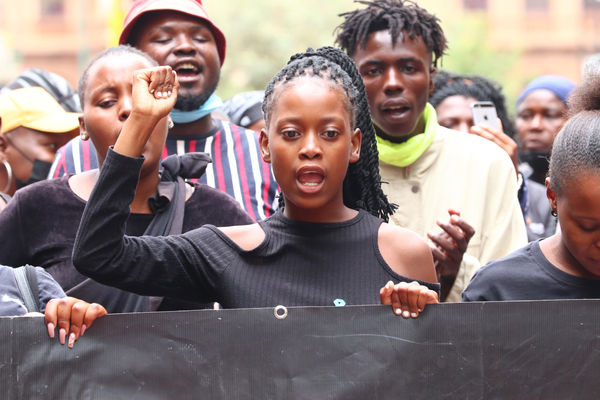
Informal traders again took to the streets of Pretoria recently threatening to make the capital city “ungovernable” if the Tshwane metro doesn’t stop “abusing” them. In their black outfits, they marched from Church Square to the metro’s headquarters in the CBD.
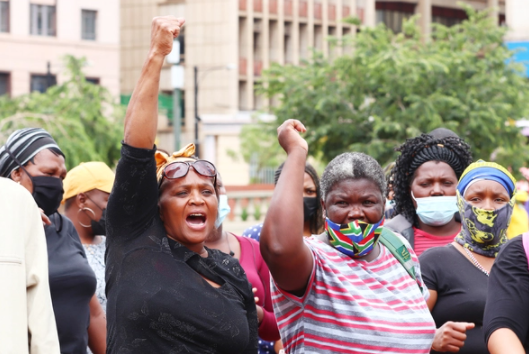
They were joined by members of #NotInMyName organisation. Informal Traders Women in Action leader Lilly Sambo said the metro had seven working days to respond to their demands. They previously handed over a memorandum with grievances and demands in August this year.
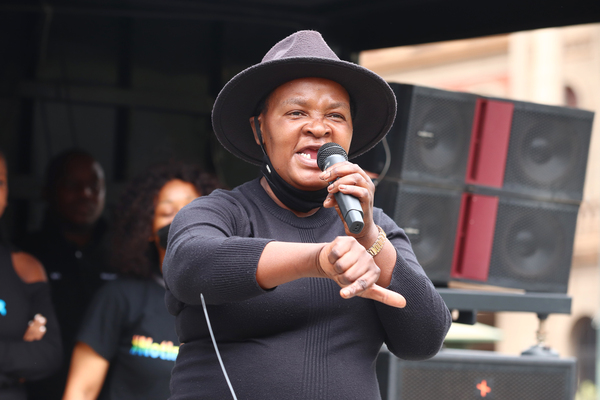
The demands included, among others, a plan of action towards a designated trading hub in the city centre; allocation of a budget for informal traders in consultation with hawkers representatives and skills; and development training for women in the informal trading sector.
“We are going to make the city ungovernable,” Sambo told Rekord during the protest to the Tshwane House on Friday. Sambo said the metro’s failure to respond to their demands was evidence that it was allegedly ill-treating them and it had no intentions of recognising them. “The Tshwane metro is abusing us emotionally,” she said.
“Today we are making our last warning and if the city fails to respond to our demands within seven days we will be left with no other options but to make the capital city ungovernable.”
Meanwhile, the metro has since refuted claims of any wrongdoing, citing that they had indeed responded to the hawkers’ previous letter of demands. Tshwane metro spokesperson Lindela Mashigo said the Department of Economic Development and Spatial Planning held a meeting with the Informal Traders Women In Action on September 16, which was followed up by the meeting requested with the mayor’s office on October 13.
“The issues raised in their memorandum were thoroughly discussed with them, and a written response followed this up on October 26,” Mashigo said. He said the city agreed to the demand of recognition of informal traders.
“The metro is required by law to consult them when proposing a new by-law or making any amendments on the existing by-law. We will be constituting an informal traders forum that will meet either monthly or quarterly.”
Mashigo said the metro recognised informal trading as an important pillar of the Tshwane economy. “Due to the impact of Covid-19, the informal trading sector was severely affected, and the Tshwane metro has initiated projects or programmes to support the informal traders.”
The projects include the issuing of temporary trading permits to informal traders at no cost during National Lockdown; the Economic Recovery Plan which includes financial relief to informal traders in terms of cancellation of historic debts and six months non-payment of licenses and permit fees; and the Covid-19 Relief Programme through the national and provincial department and agencies and private sector.
“More than a thousand informal traders received funding from Gauteng Enterprise Propellor, over 200 informal traders received vouchers from Small Enterprise Development Agency, etc.”
He said the city had helped several informal traders acquire the necessary skills to develop their businesses. “The metro continues to facilitate training or support programmes for informal traders in partnership with provincial and national government departments and agencies and other partners.
Recently, 82 informal traders were trained by WR-SETA in food handling. “About 20 informal traders were selected and trained on basic food costing, handling and store food, professional purchasing, financial control and cooking methods.
Furthermore, the metro facilitated workshops in partnership with SEDA and SEFA to assist informal traders and other small businesses in accessing Covid-19 relief programmes.” Responding to threats informal traders made of making the city ungovernable, Mashigo said the metro would continue to engage with them to resolve any issues.
Read original story on rekord.co.za

