
War on wire snares: Criminal syndicates behind sudden increase of traps
Those arrested have confessed to selling to different buyers, indicating the problem is criminal and not so much poverty driven.
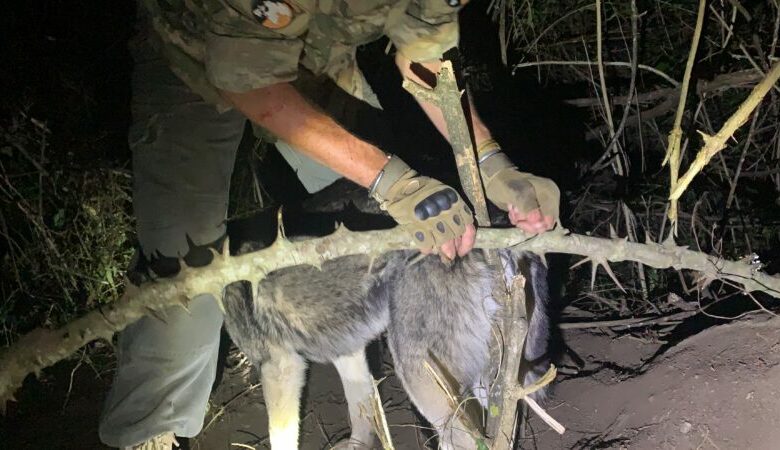
Criminal syndicates are at the centre of the escalating problem of wire snares across the Lowveld’s protected and public wildlife areas, says SANParks’ spokesperson Ike Phaahla.
“There is a clear indication that the proliferation of snares in the past three years is driven by criminality,” he says.
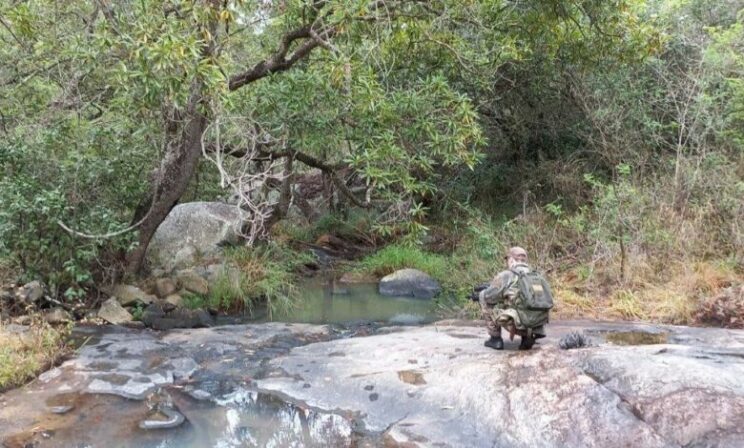
“Those who have been arrested have attested to selling to different buyers. Our belief is that it is criminal and not driven by poverty or unemployment.”
Phaahla applauds the work of NGOs and NPOs like the SANParks Honorary Rangers (SHR) and the SA Bush-Warriors Association (Saba) that have a mammoth task in assisting SANParks’ war on wire traps and poaching.
In October, the honorary rangers removed its 1 000th snare over a three-month period, while Saba’s Jaco Kloppers found 387 snares in the Mbombela area in September alone.
Eunanza Farrel, the head of SHR marketing, says, “We operated across six affected regions in the Kruger National Park with up to 24 members participating in snare removal twice a month.”
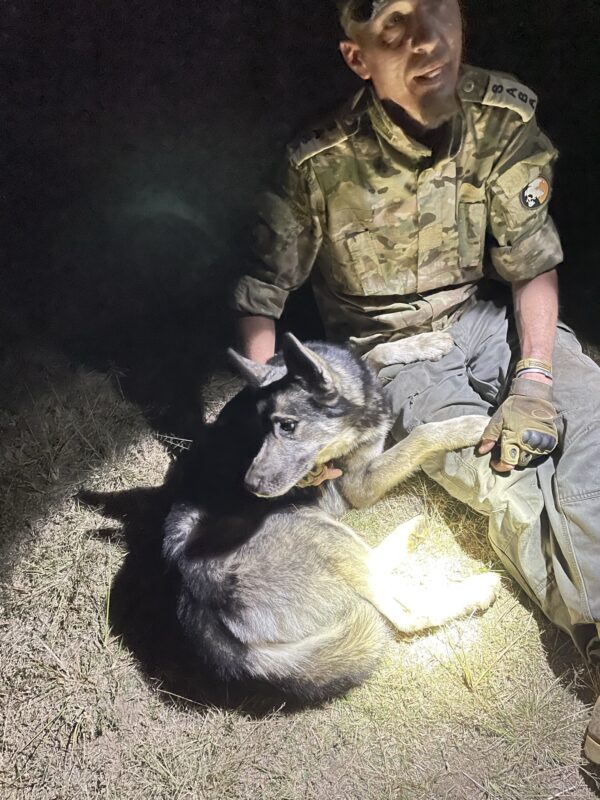
Kloppers and his Belgian Malinois dog, Jessica, focus their snare-sniffing noses on unprotected, open land surrounding urban centres and farms.
“Mbombela has the biggest wire snare and gin trap problem of all the Lowveld’s towns,” he says.
“I have found well over 2 000 traps in the Uitkyk area alone this year.
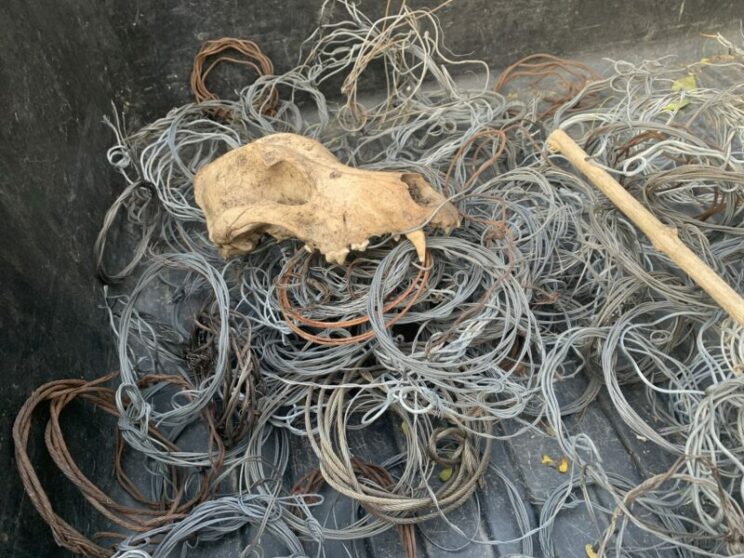
“Many villagers and chiefs are respectful of wildlife, but it is without question that the criminal syndicates have escalated the problem in the last few years,” Kloppers says.
“The Uitkyk area still has red duikers and a number of other antelope and small mammal species. I have even seen leopard spoor in 2022. It is worth protecting.”
Phaahla says, “It is admirable that NGO groups give up their time to assist in the removal of snares. Their actions move beyond the physical to also creating awareness among communities.”
Read original story on lowvelder.co.za

