
Don’t dismiss mozzies as mere night-time nuisances
The rainy and hot weather that characterises a South African summer heralds an increase in mozzies – and these irritating insects can leave you with far more than an itchy bite.
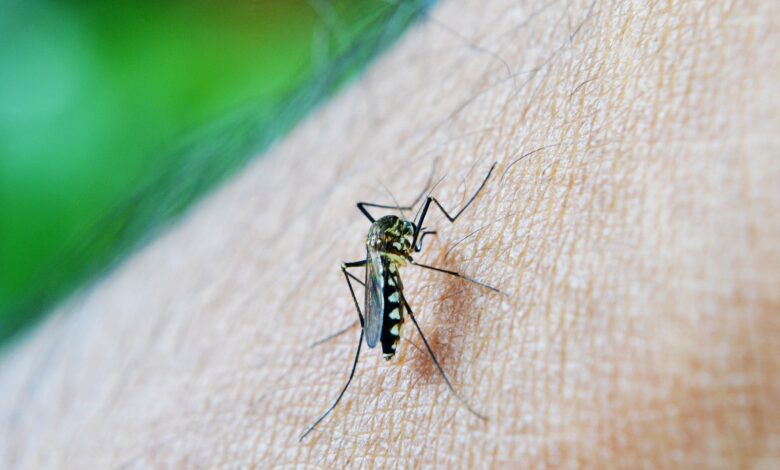
As the temperatures rise in South Africa, the risk of contracting malaria increases.
The disease has been prevalent in South Africa for so long, that many people dismiss its dangers, yet according to the World Health Organisation (WHO), more than 620 000 people die annually from the disease.
According to the Gauteng Department of Health (GDoH), the province reported 1 105 malaria cases and 10 deaths from January to September 2023 – this despite Gauteng not being a malaria-endemic area. Most of the people who were admitted to Gauteng hospitals with malaria had travelled to areas in which malaria is prevalent.
A live mosquito can also be imported into a malaria-free area by a traveller returning from an endemic area, which is why all South Africans must be able to recognise the signs of the disease and know how to minimise their risks in malaria-prone areas.
This week (November 6–10) was the Southern African Development Community (SADC) Malaria Week, an initiative that aims to increase malaria awareness and promote stronger collaboration among SADC members to reduce the spread of this deadly disease.
In the SADC region, Malaria is present along South Africa’s border with Zimbabwe and Mozambique, as well as Ethiopia, Nigeria, Zambia and Angola. Internally, it is endemic in Mpumalanga, Limpopo and KZN.
The National Institute for Communicable Diseases (NICD) advises travellers to consult resources such as the Centres for Disease Control and Prevention’s (CDC) ‘malaria information by country’ chart to determine the malaria risk and recommended treatments and prevention measures.
The CDC singles out these specific areas as being high risk: Mopani and Vhembe in Limpopo; parts of Ehlanzeni in Mpumalanga; Umknanyakude district of KZN; and the Kruger National Park. It says other areas to watch are Waterburg, Capricorn, and Greater Sekhukhune districts of Limpopo; and Zululand and King Cetshwayo districts of KZN.
More malaria than before
Scientists are increasingly concerned that malaria cases might increase and that malaria-endemic areas might widen as a result of global warming.
In August, the NICD said the impact that climate change could have on malaria and other vector-borne diseases is difficult to predict. However, what is known, is that ‘warmer temperatures will speed up mosquito development and extend the malaria transmission season’.
The NICD added that the geographic extent of endemic malaria may increase in areas experiencing greater rainfall and higher temperatures, and may recede where climate change causes reduced rainfall and/or prolonged drought.
Symptoms
The GDoH says malaria symptoms include fever, headache, general body aches and pains, general body weakness, nausea, vomiting, loss of appetite, diarrhoea and flu-like symptoms.
It is important that people who notice any of these symptoms after visiting a malaria prevalent area visit their nearest clinic or doctor to get tested and treated as a delay in treatment can lead to death, says the department.
On October 30, the NICD said that malaria-endemic regions are beginning to see increases in the number of malaria cases as expected, marking the start of the malaria season.
It urged individuals travelling to malaria-endemic areas to take the appropriate precautions. “Travellers should consider taking antimalarial prophylaxis, particularly if travelling to high-risk areas. Both doxycycline and atovaquone-proguanil can be procured without a prescription from pharmacies and public sector travel clinics.”
Need-to-know info
While a life-threatening disease, malaria is preventable and curable and does not spread from person to person.
The NICD says that recognising the signs and symptoms of malaria is crucial in preventing severe illness. In adults, common signs and symptoms include headaches, cold shivers, sweating, and muscle pain. In children, symptoms may present as fever, lethargy, poor feeding, vomiting, diarrhoea, or coughing.
“Healthcare practitioners are advised to be vigilant. Patients are urged to inform healthcare professionals of recent travel to malaria-risk areas when presenting with flu-like illness,” says the NICD.
Severe symptoms include fatigue, confusion, seizures, and difficulty breathing, says the WHO, adding that infants, children under five, pregnant women, and people with HIV or Aids are at higher risk of severe infection.
Minimise the risks
The NICD says people must limit outdoor activity after dark, cover up bare skin (including feet and ankles), use mosquito repellents containing at least 10% Deet (N,N-diethyl-meta-toluamide), fit insect screens or close windows at dusk and in high-risk areas, use bed nets, fans or air-conditioning, if available.
Read original story on www.citizen.co.za

