
KZN professor calls for re-evaluation of urban planning amid severe storms
He says the existing infrastructure was not built to withstand the severe weather caused by climate change.
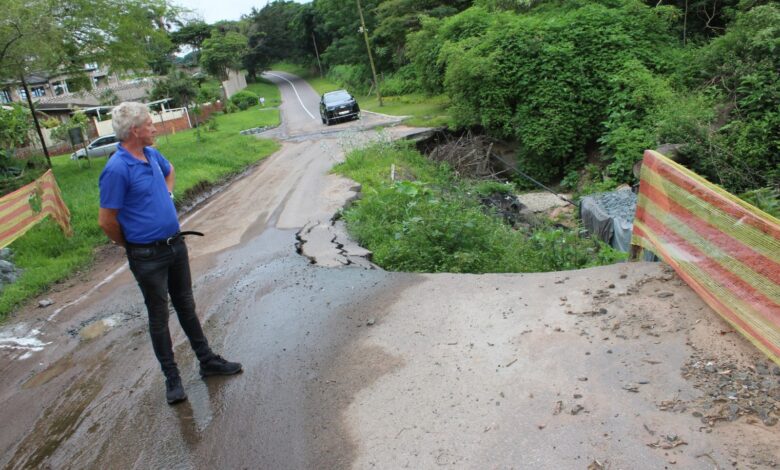
In recent years, climate change has emerged as a global challenge, dramatically altering weather patterns, and posing unprecedented threats to infrastructure.
Durban areas are regular victims of heavy rains and flooding, causing severe damage to the eThekwini Municipality’s infrastructure.
Areas such as uMhlanga, Verulam, uMdloti and Mariannhill are often affected by severe weather events. But why does the weather cause so much destruction in recent years?
The University of KZN head of the Civil Engineering Department, Professor Mohamed Mostafa, says over the past century, the frequency of intense rainfall has surged, challenging the capacity of existing infrastructure.
“Durban, too, is grappling with this trend, which is evident in the recent downpour that exceeded 100mm in just 90 minutes,” he says.
“Understanding these developments is vital for crafting strategies that address the evolving needs of our urban landscapes.”
Mostafa adds that the connection between climate change and the vulnerability of KZN to floods, reveals a complex interplay of factors that transcend isolated incidents.
He says that in understanding this link, it becomes apparent that the traditional causes of flooding, such as heavy rainfall, overflowing rivers, poor drainage infrastructure and deforestation, transform the context of a rapidly changing climate.
Prof Mostafa’s says there are four reasons why severe weather destroys Durban:
- Heavy rainfall: The intensified frequency and severity of heavy rainfall in recent years can be directly attributed to the broader shifts in global climate patterns. The temperature rise, a hallmark of climate change, increases the atmosphere’s moisture. When released, surplus moisture manifests as intense downpours that overwhelm conventional drainage systems and contribute significantly to flash flooding.
- Overflowing rivers: The overflowing of rivers, a classic precursor to flooding, is exacerbated by changing climate conditions. Increased rainfall, coupled with altered precipitation patterns, contributes to higher river discharge. This surge, often beyond the capacity of riverbanks and surrounding infrastructure, amplifies the destructive potential of floods.
- Poor drainage infrastructure: Historically, drainage systems were designed based on historical weather patterns. However, climate change has disrupted these patterns, rendering traditional drainage infrastructure inadequate. The mismatch between design and the evolving climate dynamics results in compromised drainage efficiency, contributing to the heightened vulnerability of urban areas to flooding. Poor maintenance plays a significant role in this point.
- Deforestation: The role of deforestation in amplifying flood risk is magnified in the context of climate change. Trees play a crucial role in regulating water flow, absorbing excess rainfall and stabilising soil. Deforestation diminishes this natural buffering capacity, leading to increased surface runoff, soil erosion and a higher likelihood of flash floods.
“The realisation that our existing infrastructure was not originally conceived to withstand the extremes brought by climate change underscores the urgency of adaptation and resilience. Climate change introduces a new paradigm, necessitating a fundamental re-evaluation of our urban planning, infrastructure design and disaster preparedness strategies.
“The imperative for adaptation lies not merely in reacting to the aftermath of each flood but in proactively reshaping our approach to infrastructure development,” Prof Mostafa says.
He says integrating climate-resilient design principles is paramount to ensure that cities, towns and villages are equipped to face the evolving challenges posed by a changing climate.
Read original story on www.citizen.co.za

