
Preliminary report sheds new light on Mpumalanga pilot’s fatal paramotor crash
Investigators have released their preliminary findings into a fatal crash near Hartbeespoort, highlighting several factors that may have contributed to the incident.
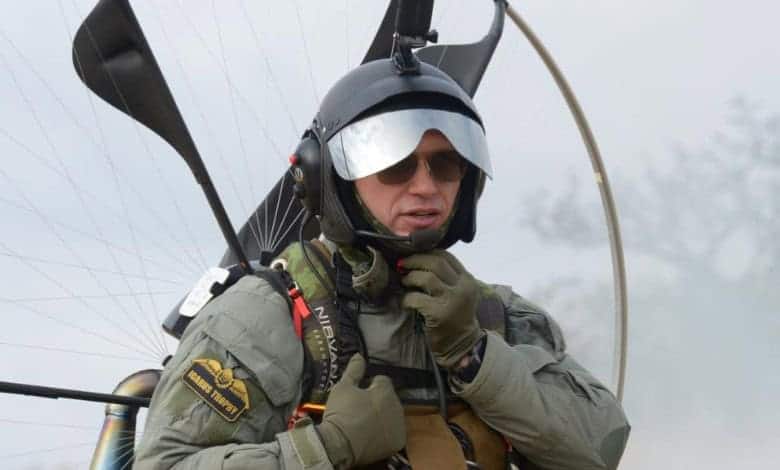
More than two months after the tragic paramotor crash that claimed the life of Eugene Cussons (47), the Lowveld community continues to mourn a man whose passion for conservation and aviation touched countless lives, reports Lowvelder.
Now, a preliminary report by the Accident and Incident Investigations Division (AIID) of the South African Civil Aviation Authority has reignited the grief felt since the accident on May 23 near Hartbeespoort.
Eyewitnesses recalled hearing a chilling “Mayday” over the radio – surreal for a pilot of Cussons’ calibre. Friend and fellow pilot Francois Theron reflected: “Everything was against him that day. Eugene was one of Nirvana’s best testing pilots and still planned to break records for the longest paramotoring flight.”
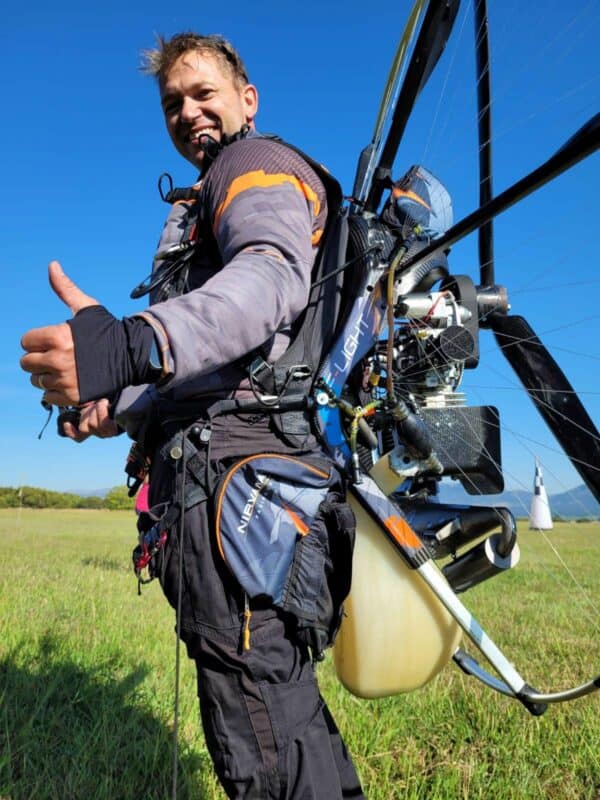
The preliminary report outlines early findings, noting two unsuccessful takeoff attempts before lifting off at 15:46. Just over eight minutes later, at 15:54, the fatal accident occurred. The AIID stressed that these findings are provisional and that the final report is still in progress. He was flying a Dudek Warp 3 18, a high-performance reflex paraglider wing.
A possible contributing factor, according to the report, was that the total weight of 146 kg exceeded the manufacturer’s recommended maximum of 140 kg, pushing the wing beyond its designed safety parameters. For foot-launch pilots, the report indicates that wings are most stable at 115-125 kg.
According to early findings, this excessive wing loading likely contributed to violent collapses during the flight. It further states that the wing pitched “violently rearward” and entered a rapid backward-rotating attitude.
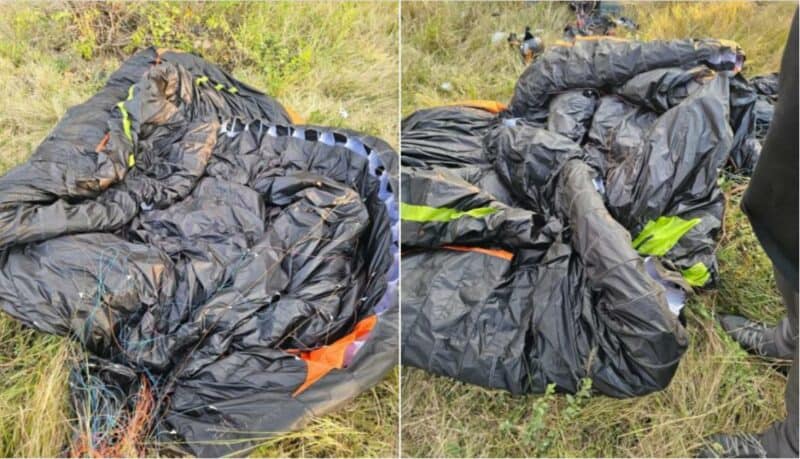
At the time, Cussons was flying in a high-speed configuration with the trimmers fully open and the speed bar partially applied – a setting the manual warns against braking in, as it reverses stability. Flight data confirmed he was actively managing turbulence and thermal lift before the collapse. Engine power remained applied throughout the descent, steepening the fall rather than aiding recovery.
A sharp 90° turn at low altitude left no margin for recovery. No reserve parachute was deployed. Investigators are still examining whether the displaced safety pin and detached handle were caused by impact or existed beforehand. Cussons fell to his death. First responders reported that Cussons was found with the paramotor unit still mounted on his back.
The Cussons family responded:
“At this time, the official investigation remains ongoing and has not yet reached its conclusion. The family wishes to honour the integrity of that process and the time it requires.”
Breaking news at your fingertips… Follow Caxton Network News on Facebook and join our WhatsApp channel.
Nuus wat saakmaak. Volg Caxton Netwerk-nuus op Facebook en sluit aan by ons WhatsApp-kanaal.
Read original story on www.citizen.co.za

