
Antibiotic resistance – bacteria are fighting back
World Antibiotic Awareness Week. Are we heading for a post-antibiotic era in which common infections and minor injuries can once again kill?

A growing list of infections such as pneumonia, TB, blood poisoning and gonorrhoea are becoming harder to treat as antibiotics become less effective because of overus,. Sandton Chronicle reports.
If a bacterium carries several resistance genes, it is called multiresistant or a superbug. New resistance mechanisms in bacteria are emerging and spreading globally, threatening our ability to treat common infectious diseases. Without urgent action, we are heading for a post-antibiotic era in which common infections and minor injuries can once again kill.
Antibiotic resistance
Antibiotics are used to prevent and treat bacterial infections – not viral infections. Antibiotic resistance occurs when bacteria change in response to the use of antibiotics, becoming resistant to them. Bacteria, not humans or animals, become antibiotic-resistant.
Bacteria are fighting back
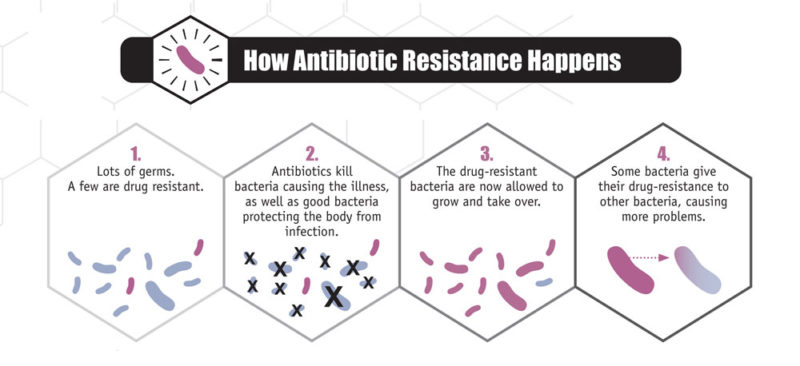
Using antibiotics for viral infections causes antibiotic resistance
Antibiotics are not effective against viral infections like the common cold, flu, most sore throats, bronchitis, and many sinus and ear infections. Widespread use of antibiotics for these illnesses is an example of how overuse of antibiotics can promote the spread of antibiotic resistance.
In countries without standard treatment guidelines, antibiotics are often over-prescribed by health workers and veterinarians and over-used by the public. There are countries where antibiotics can be bought for human or animal use without a prescription which makes the emergence and spread of antibiotic resistance worse.
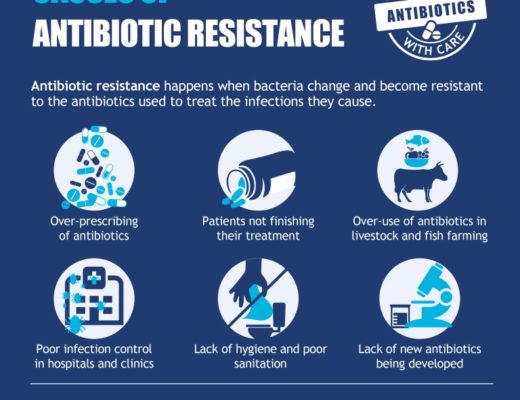
What can be done about antibiotic resistance?
The world urgently needs to change the way it prescribes and uses antibiotics. Even if new medicines are developed, without behaviour change, antibiotic resistance will remain a major threat.
What you can do to control the spread of antibiotic resistance
- Only use antibiotics when prescribed by a certified health professional.
- Never demand antibiotics if your health worker says you don’t need them.
- Always finish your course of antibiotics.
- Always follow your health worker’s advice when using antibiotics.
- Never share or use leftover antibiotics.
- Prevent infections by regularly washing hands, preparing food hygienically, avoiding close contact with sick people, practising safer sex, and keeping vaccinations up to date.
WATCH: Antibiotic resistance
Read original story on sandtonchronicle.co.za

