
Why sleep is important for learning
Sleep is a crucial aspect of a child's well-being, playing a pivotal role in their physical, cognitive, and emotional development.
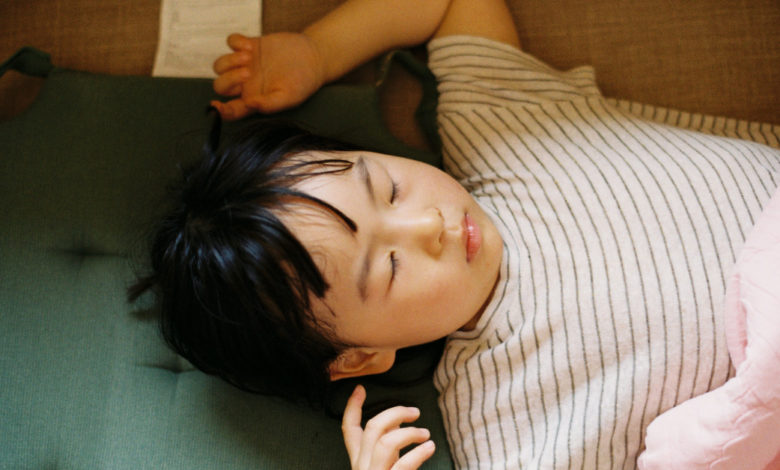
There is meaning in the saying ‘sleep over it’. While the importance of sleep is universally acknowledged, its specific impact on the developing brains of children is profound.
Adequate sleep is associated with improved attention span, memory consolidation, and overall cognitive performance. Insufficient sleep, on the other hand, can lead to a range of issues, including behavioural problems, inattention and difficulties in regulating emotions.
When a person goes to sleep, the brain both consolidates new knowledge and prunes unnecessary input that was absorbed during the course of the day. Research shows that memories for facts and skills both show greater retention over a 12-hour period that includes sleep versus a 12-hour period while awake.
During sleep, our brains are not exposed to a huge amount of input, and therefore has the time to work at a deeper level. Sleep, therefore, uses the time to consolidate important memories (such as new Mathematical concepts, or a new spelling method) through the strengthening of synapses between previously learned concepts and the new concepts. This allows for memories to be stored in an organised manner in long-term memory.
Similarly, during sleep, some connections between neurons shrink to eliminate memories we don’t need (such as the colours of cars that drove past us during the day, what we ate for dinner last week, or the temperature we felt outside in the morning). This selective pruning of synapses during the night prepares us, and creates space for the formation of new memories for the next day. If this process doesn’t take place due to poor or little sleep, the neurons are not refreshed and available for mapping new important information that will be learned the following day.
In addition to having too many neurons ‘overcharged’, tiredness will result in a limited attention span, and therefore limited memory formation during the course of the day. A well-rested child is therefore more likely to excel in cognitive tasks, problem-solving, and creativity.
There are several ways to help children fall asleep with ease, and stay asleep. Establishing healthy sleep habits is vital for children to ensure they get the recommended amount of sleep for their age:
- Consistent bedtime routine: Establishing a consistent bedtime routine signals to the child that it is time to wind down. This includes dimming the lights, taking a warm bath and spending quiet time in the bedroom with a book or audiobook. For anxious children, learning breathing exercises will benefit the routine.
- Limit screen time: Exposure to screens, particularly before bedtime, can interfere with falling asleep as well as staying asleep and entering the various seep rhythms necessary for rest. Limit electronic devices one to two hours before bedtime to promote better sleep.
- Encourage physical activity during the day: Regular physical activity promotes better sleep. However, it’s essential to avoid vigorous exercise close to bedtime.
- Deep pressure or rhythmic movements: If a child appears restless, provide pressure like a massage, hugging a stuffed toy or lying under a heavy blanket. You can also let them engage in slow, rhythmic movements such as reading in a hammock.
Babies sleep 14 to 18 hours per day, which may boost growth and development, and of course brain function. School-age children and teens need, on average, about 10 to 12 hours of sleep per night, and most adults need 7-9 hours of sleep. These needs change as the child progresses through developmental stages.
In conclusion, sleep is a cornerstone of children’s health and development, influencing physical growth, cognitive function, and emotional well-being. Understanding the intricate processes that occur in the brain during sleep emphasises the critical role it plays in a child’s overall development. For more information, visit Bellavista School’s website.
Article supplied by Annelize Clark, occupational therapist at Bellavista School and master practitioner in inclusive education.