
Chasing the Northern Lights: 4 Scandinavian destinations to try
Careful planning and picking the right location can dramatically boost your chances of experiencing a colourful night sky spectacle.
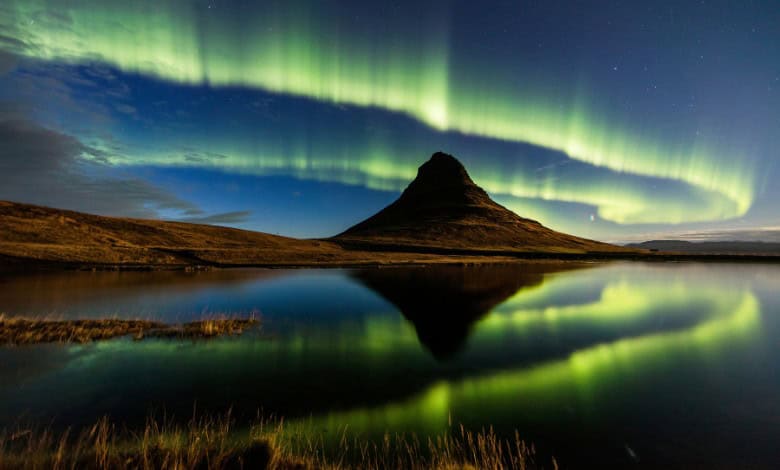
It’s on almost every traveller’s bucket list – and for good reason. Watching the Northern Lights shimmer across the night sky is one of those experiences you never forget. But finding the lights can be tricky. This quick guide to four of the most popular Northern Lights destinations can help you know where to look.
- Norway: The Gold Standard
The Norwegian city of Tromsø is the place most people picture when they imagine chasing the northern lights, and for good reason. Sitting 350 kilometres north of the Arctic Circle, it has more aurora-viewing infrastructure than almost anywhere else on earth. Dedicated chase vehicles follow clear skies across hundreds of kilometres, and expert local guides know exactly where to position you. If the clouds do roll in and you miss your shot at the aurora, the city itself is worth your time thanks to great restaurants, a strong arts scene, and the extraordinary wooden Arctic Cathedral sitting at the edge of the fjord. So, although you always want to get a spectacular northern lights sighting, the trip won’t be a waste if you don’t, kind of like how a safari can still be amazing without the Big Five if you choose the right place.
What makes Norway a fairly reliable choice for aurora experiences is the geography. Of course, it’s quite far north, but the fjords also create natural clear corridors in the sky. The Lofoten Islands, further south, offer a more unique aurora experience where the lights are often reflected in still fjord water below dramatic mountain peaks. It’s a photographer’s dream, and one of the most spectacular aurora landscapes in the world.
When to go: The best time to go is from October to March, with November to February the peak window. Tromsø also has the benefit of being easily reachable from South Africa via Oslo or a major European hub, usually Amsterdam, Paris, or Frankfurt.
- Iceland: The Aurora Plus Everything Else
Iceland is the destination for travellers who want the northern lights but who don’t want the lights to be the sole focus of the trip. Because even if the aurora stays hidden behind cloud for your entire trip (it happens), Iceland is one of the most extraordinary landscapes on earth and there’s loads to do. You can check out everything from glaciers and geysers to black sand beaches, lava fields, waterfalls that look computer-generated, and the famous Blue Lagoon geothermal spa. One thing’s for sure: you will not be bored.
The aurora viewing itself is best done away from Reykjavik’s light pollution. The Golden Circle route at night, the Snæfellsnes Peninsula, or the remote Westfjords region all offer dark skies. Many guesthouses and lodges outside the capital have hot tubs positioned for aurora watching, so you can see them without ever leaving the comfort of your jacuzzi (champagne or gluhwein is optional, but recommended).
When to go: The best time to go is from September to April. Iceland has the advantage of being a year-round destination, so flights and accommodation are available across a wide window. Reykjavik is around 13 to 15 hours from Johannesburg with one connection.
- Finland: Lapland and the Glass Igloos
Finnish Lapland is the most romantic of the northern lights destinations, and also the most family-friendly, which is a combination not many places can claim. So whether you’re taking kids or planning a special proposal, you’re sorted!
The glass-roofed igloos at resorts like Kakslauttanen let you lie in a heated room watching the aurora directly above you, which removes the standing-in-the-cold element entirely. Plus, it means that you can safely lounge around without FOMO, knowing that you won’t miss a second of the light show.
Rovaniemi, the capital of Finnish Lapland, sits right on the Arctic Circle. It’s the “hub” of northern lights in Finland, but outside that, it’s also a place where reindeer really are used for transport, where you can experience Sami culture, and where activities like dog sledding, snowmobile safaris, and ice fishing fill the days. Saariselkä, further north, offers darker skies and a more remote feel but is harder to reach.
When to go: The best time to go is from November to March. December and January have the longest dark periods, which maximises viewing windows, but be prepared for incredibly short days. Rovaniemi is reachable via Helsinki, which you can connect to via major hubs on KLM, Qatar, Air France, Lufthansa, and more.
- Sweden: The Blue Hole
Sweden’s Abisko National Park is less famous than some of the other options here, but has a geographic advantage called the ‘blue hole.’ It’s a persistent area of clear sky that forms over Lake Tornetrask thanks to the surrounding mountains. So even on overcast nights across the wider region, Abisko often stays clear. The Aurora Sky Station, which is accessible by cable car, takes you above the cloud line for unobstructed views.
Abisko is less infrastructure-heavy than most of the other destinations on this list, so the people who love it are usually those who want fewer crowds, more wilderness, and are happy to sit in the dark in silence waiting for the sky to perform. For those who want to combine it with a city stop, Stockholm is a gorgeous place to spend a few days. Plus, the train journey north through snow-covered forest is an experience in itself.
When to go: The best time to go is from December to March. Sweden is slightly less visited than Norway and Iceland for aurora trips, which keeps prices competitive.
Content by Flight Centre.
For more on travel, visit Get It Magazine.