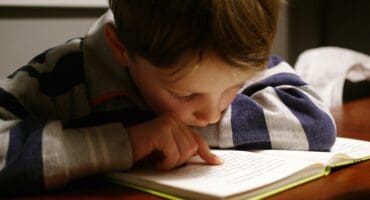
Paired reading: A simple practice that builds real reading confidence
Many parents assume that learning to read is something that happens mainly at school, through formal instruction and phonics programmes.
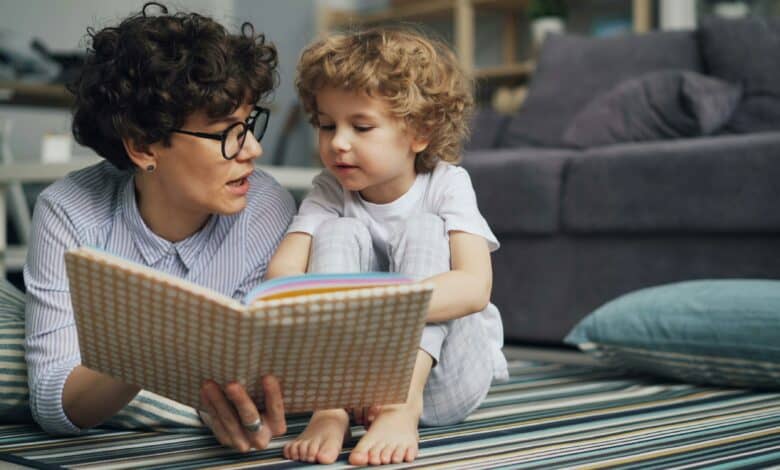
In reality, one of the most effective reading supports a child can receive is calm, consistent reading practice with an adult at home. Paired Reading is a structured but simple method that helps children develop fluency, confidence and meaning-making in reading without pressure or over analysis.
Paired Reading is based on a straightforward principle: children learn to read better when reading feels safe, supported and successful. The aim is not to test a child or to correct them constantly, but to create an experience where reading becomes something they can do, not something they fear. Confidence is the foundation and progress follows.
The first step in Paired Reading is to give the child agency. The child should choose a comfortable reading spot and select a book they want to read. Children read more willingly and improve faster when the book is interesting to them. If they lose interest halfway through and want to change the book, that is acceptable. The priority is engagement, not endurance.
Before reading begins, the adult and child look at the book together. The title, cover image and author can be discussed briefly, and the child can be asked what they think the story might be about. This early conversation is not filler. It builds prediction, reasoning and interest, which are central to reading for meaning.
Phase One of Paired Reading involves reading aloud together, at the same time, word for word. The adult matches the child’s pace, allowing the child to lead where possible. This shared reading removes the isolation children often feel when they struggle alone with text. The child is not performing; they are participating.
When the child makes a mistake or does not recognise a word, the adult does not stop the flow to analyse or decode. Instead, they wait three to five seconds, then simply supply the correct word. The child repeats the word correctly, and both continue reading together. Paired Reading is not about sounding out or breaking down every error. It is about maintaining fluency and reducing stress so that reading remains meaningful rather than mechanical.
Discussion is encouraged at natural breaks, such as the end of a page. Talking about what is happening in the story, noticing pictures, or reflecting on events helps children connect reading to understanding. Reading is not simply about accuracy; it is more about comprehension and purpose.
As children become more competent and relaxed, they move into Phase Two. This stage introduces independence in a controlled way. The child continues reading with the adult but begins to signal when they want to read alone. A simple agreed signal, such as a tap or clap, is used. The child then reads independently until they make an error or become stuck. At that point, the adult supplies the correct word, the child repeats it, and they return to reading together until the child signals again.
This back-and-forth between supported reading and independent reading allows children to stretch without being overwhelmed. They practise autonomy while knowing help is immediate and calm. It is an effective way to build resilience without turning reading into a high-stakes task.
A consistent feature of Paired Reading is authentic praise. Encouragement builds self-esteem and reduces avoidance by creating a safe affirmative space. Children who believe they can read are more likely to persist through difficulty, so ‘praise praise praise’.
The Paired Reading method is not complicated, but it does require consistency. It works best when kept to a short, calm and routine time together. It is not a performance for parents, nor a chore for children. It is a relationship-based literacy practice that restores reading to what it should be: shared meaning, attention, language and growth.
In an era where attention is fragmented and children are increasingly overstimulated, the simple act of reading with an adult remains one of the most powerful educational supports available and a mindful opportunity for a key adult to be present as a world or wonder opens to the child through text. For additional resources, please visit www.bellavista.org.za
For more on kids, visit Get It Magazine.