Easy steps that could prevent elderly falls at home
A few simple home adjustments can lower your risk of falling and help you stay independent for longer.
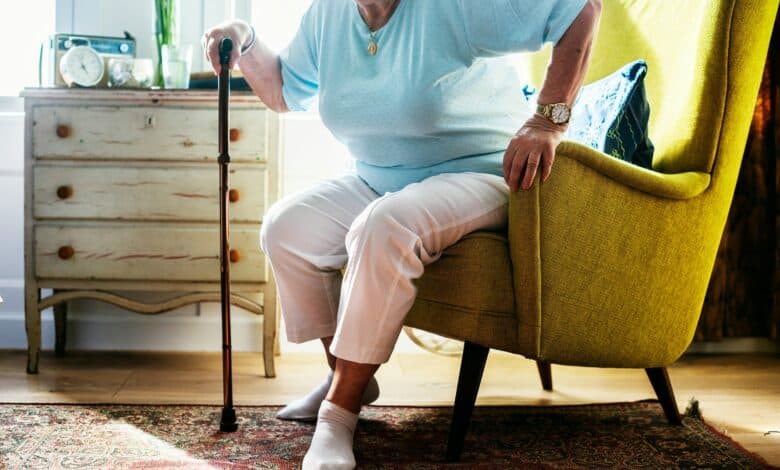
As we get older, staying safe at home becomes increasingly important. Falls are one of the most common causes of injury among seniors, but many accidents can be prevented with a few simple changes around the house.
1. Limit potential hazards
- Electric cables stretched across the floor are common tripping hazards. Ideally, re-route cables against the wall and use clips to keep them in place. If that’s not possible, cover the cable with a rug or mat where people have to walk over it.
- Choose mats with a non-slip rubber backing, or use double-sided tape to prevent them from sliding or lifting at the edges.
- Don’t leave discarded shoes, handbags or toys in traffic flow areas, where you could trip over them.
- Wipe up any spills straight away to avoid slipping.
- Avoid wearing socks without shoes, especially if you have tile floors. You’ll be less likely to slip in footwear with thin rubber soles. If you have a walking stick or walker, use it when you move around your home, instead of clutching onto door frames or furniture for support.
2. Ensure good lighting
Night lights in the bedroom, passage and bathroom are a huge help.
Install brighter bulbts on staircases and entrances to improve visibility.
3. Bathroom dangers
- Slippery tile floors and water splashes are a recipe for disaster. Use slip resistant strips or rubber mats both inside and outside the shower.
- Grab bars in the shower, as well as near the toilet and bath, can also help prevent accidents.
- Shower seats can improve both comfort and safety. The wall mounted types can be folded away when not in use, but the less expensive, free-standing seats are just as effective.
- Don’t keep toiletries on high, difficult to reach shelves or cabinets. Stretching to reach awkward areas can lead to overbalancing, as can crouching down to find the deodorant on the bottom shelf of a floor cabinet.
4. Safety first in the kitchen
- When you cook, avoid wearing loose-fitting sleeves that could catch fire or snag on pot handles. Never leave oven gloves, dish towels or pot holders anywhere near an open flame.
- Consider investing in a fire blanket and keeping it within easy reach so you can quickly smother a fire in a pan or on the stove top, especially if you cook with gas. Fire blankets are inexpensive, require no training to use, are easily available and leave no harmful residue.
- Avoid distractions while cooking and make sure all stove plates are turned off and appliances are unplugged before leaving the kitchen.
- If you need a step ladder to reach items on high shelves, get one with a bar to hold on to. Never use a chair as a step ladder.
5. Know when to ask for help
Don’t wait until after you suffer an accident at home to accept that you need help to safely manage daily living. Having support at home allows you to maintain your independence and enjoy your home without worrying.
Keep emergency numbers handy or programme them into your phone. Consider using a personal alert system so you can easily call for help if you can’t get to the phone.
Find out more by visiting Tafta.