Can you hear me now? Why school hearing screenings matter more than parents realise
As parents, we tend to notice the obvious things first: fevers, broken bones, forgotten lunch boxes, mysteriously disappearing socks. But hearing loss in children is often called an “invisible difficulty” because it can hide in plain sight for years.
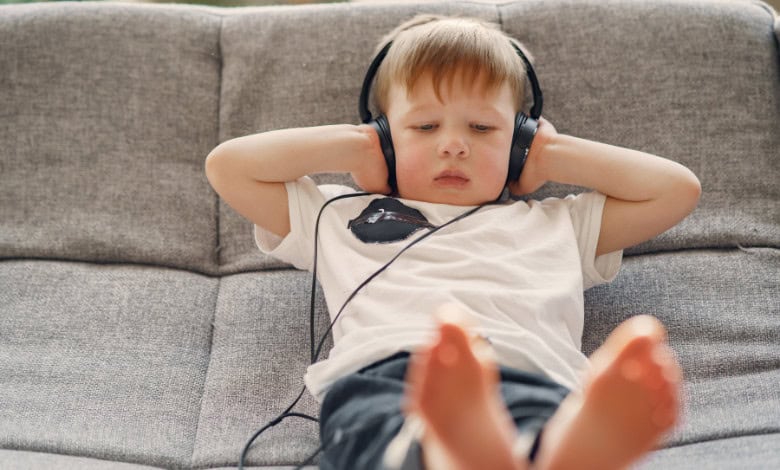
A child with hearing difficulties may seem distracted, shy, naughty, forgetful, lazy, or even academically weak, when in reality they simply are not hearing all the information in the classroom clearly.
That is why school hearing screening programmes are so important.
In South Africa, many children only receive their first hearing screening once they begin school. Research conducted in Gauteng found that approximately 2.2% of primary school children screened had hearing loss requiring follow-up intervention. Another large South African preschool study involving over 10,000 children found that 5.6% of children failed hearing screenings.
Those percentages may sound small, until you realise that in a school of 1,000 learners, that could mean dozens of children struggling to hear the teacher every single day.
And hearing loss is not always severe or obvious.
Sometimes it is due to temporary middle-ear fluid after repeated ear infections; or it is mild hearing loss that mainly affects hearing in noisy classrooms. Sometimes it affects only one ear, making it difficult for a child to localise sound or follow group discussions. Yet even mild hearing difficulties can significantly impact speech development, literacy, confidence, attention, and academic performance.
As audiologists and therapists working in schools, we often see the moment a parent realises: “This explains so much.”
One little boy I screened several years ago was described as bright but constantly “daydreaming” in class. His teacher said he often copied the wrong homework and struggled to follow instructions unless someone repeated them directly to him. During screening, we identified a hearing loss linked to chronic middle-ear problems. After medical management and hearing support, everything changed. His marks improved dramatically, his confidence grew, and by the time he matriculated, he had become one of the most articulate young men you could meet. Today, he is studying engineering at university.
Another learner, a quiet teenage girl, had spent years avoiding group conversations because she could not hear clearly in noisy environments. She had become socially withdrawn and anxious about speaking in class. Her hearing loss was only identified during a routine school screening. Once appropriately managed, her teachers noticed a completely different child emerging. She joined debating, became a school leader, and is now thriving in university studies.
Those moments stay with you.
Not because hearing devices or intervention ‘fix everything’, but because early identification changes the trajectory of a child’s life. A child who can hear better can access learning better. They participate more confidently. They connect socially. They stop working twice as hard simply to keep up.
And thankfully, hearing screenings themselves are quick, painless, and non-invasive. No needles. No scary machines. Most children complete the process within minutes , often faster than it takes them to find their water bottle after break.
Yet many schools still do not offer routine hearing screenings.
This is where parents play a powerful role.
If your child’s school offers hearing screening, sign the consent form. Even if your child seems fine. Many children with hearing difficulties compensate exceptionally well, meaning problems can go unnoticed for years.
If your child’s school does not offer hearing screenings, ask about it. Advocate for it. Start the conversation. School hearing screening is not about labelling children. It is about removing barriers before they become lifelong challenges.
In a world where children are expected to listen, learn, communicate, and succeed in increasingly busy and noisy environments, hearing matters enormously.
Because sometimes the difference between a struggling child and a flourishing one; is simply hearing properly for the first time. Content by www.bellavista.org.za