How an anti-inflammatory diet can help with stiff, painful joints
Understand what causes inflammation and how to help your body heal with these dietary tips.

Whether you suffer from acute or chronic inflammation, stiff and painful joints are uncomfortable and impact your daily life. However, you can make some dietary changes to help reduce inflammation in your body if you know which anti-inflammatory foods to include in your diet. Let’s start at the beginning:
What is inflammation?
It is the body’s natural response to injury, infection, or harmful stimuli. It is part of the immune system’s defence mechanism and plays a critical role in healing. However, inflammation can be prolonged when the body continues to believe that it still needs protection, which does impact your joints negatively.
Acute vs. chronic inflammation:
Acute inflammation is usually short-term, occurring after an injury, such as a sprained ankle. This area will show signs of redness and swelling, give off heat and cause pain; there may even be a problem with movement. This is the body’s way to help fight off infection by using immune cells and nutrients at the damaged area and start the healing process. Using a topical anti-inflammatory with added MSM, can help ease the pain caused by muscles or joints, and help speed up recovery.
Chronic inflammation is long-term and can occur when the body continues to send signals of inflammation, even if there is no infection. This type of inflammation can be harmful and can be associated with various diseases including arthritis, heart disease and autoimmune disorders.
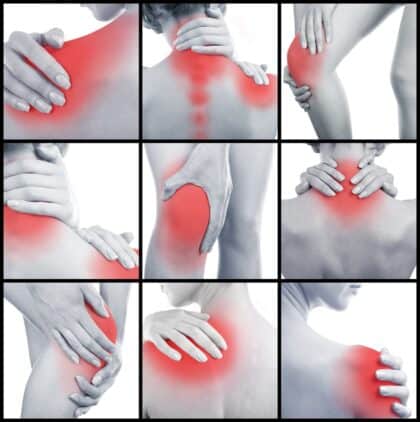
When inflammation persists, even after an injury has healed, an anti-inflammatory diet can help your body reduce inflammation. This type of diet should include:
- Healthy food such as leafy greens, berries and cruciferous vegetables which are rich in antioxidants.
- Foods high in Omega-3 fatty acids found in salmon, flaxseeds and olive oil.
- Foods like oatmeal, brown rice, and quinoa which are better than refined grains.
- Herbs and spices such as ginger, turmeric, and garlic contain compounds that fight inflammation.
- Plenty of water, herbal teas, and other hydrating beverages can help the body stay hydrated ensuring that toxins are flushed out further reducing inflammation.
There are foods that should be limited and/or avoided when reducing inflammation:
- Processed foods such as refined sugars and trans fats can increase inflammation.
- Both alcohol and smoking should be avoided.
Also, try low-impact exercises like walking or swimming to promote circulation and reduce fat, which is associated with inflammatory markers. Adding a supplement to your diet can help reduce inflammation and joint pain, giving you another option when reducing inflammation. Our tip: Try JointEze capsules formulated with Opti-MSM.
However, if all these changes are made and consistently stuck to, yet chronic inflammation persists, medical intervention may be needed.
For more on health, visit Get It Magazine.