Purrfect houseplants for pets
This April, during Pet Awareness Month, create a safe and green space for your furry companions with these pet-friendly plants.
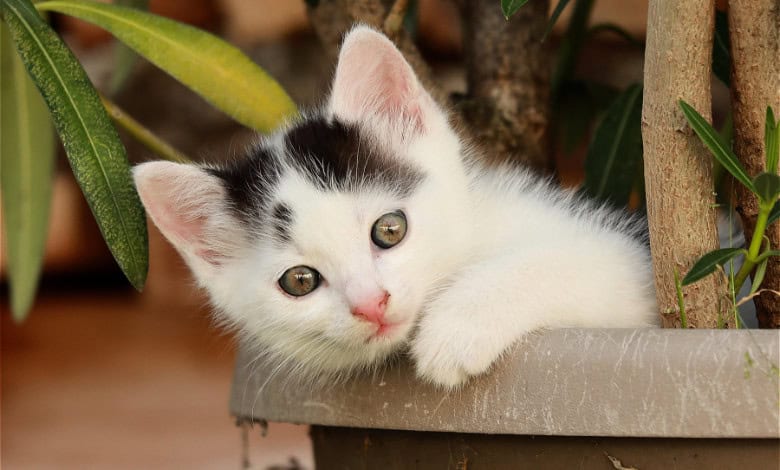
Cats, especially kittens and also puppies are notorious for chewing on plants and house plants are the most accessible. Although it is not advisable for pets to chew on any plants, it’s good to know which plants are safer for pets.
The long list of common pet friendly house plants includes ferns, bromeliads, palms, prayer plants, spider plants, succulents, African violets, hoyas, Ficus elastica, phalaenopsis orchids and more.
Here is a pick of 8 houseplants, with the help from LVG Plants that offer a variety of colourful foliage or flowers, from tabletop specimens to large feature plants.
Areca (bamboo) palm
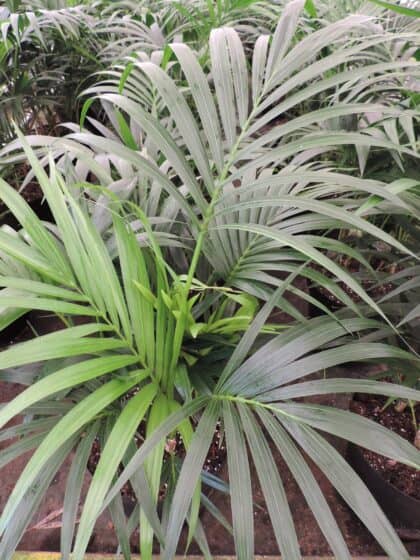
When I was fostering kittens this palm was their best playmate. They hunted through its fronds, swung from the tips, and played palm ping pong with each other.
Besides playing nanny to kittens, the Areca palm has many wonderful attributes. It is a graceful feature plant and space filler; it is a natural humidifier and is an easy to care for indoor plant.
Bamboo palms thrive in bright, indirect light near a window. Allow the soil to almost dry out between watering. In spring and summer, feed once a month with a nitrogen-based liquid fertiliser. Wiping the leaves with a damp cloth keeps the plant pores open and maintains healthy leaves.
Other pet friendly palms are the Ponytail palm and Parlor palm (Chamaedorea elegans).
Calathea and other prayer plants (that close their leaves at night)
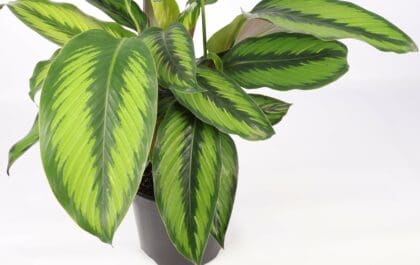
All varieties of calathea are non-toxic for pets which is good news because calathea are all beautiful foliage plants with patterned and variegated leaves in colours of bright green and cream to purple and pink. They are compact growing plants for desktops and tabletops in well-lit rooms.
They need bright indirect light and enjoy a humid environment. Don’t let the soil dry out completely or overwater. Fertilise once a month in summer and keep the leaves dust free by wiping with a damp cloth.
Zebra Haworthia
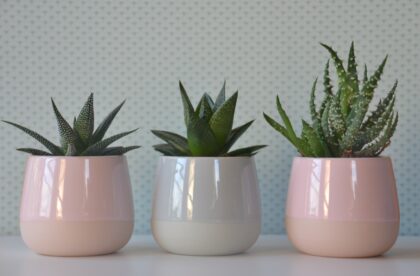
This compact succulent tolerates fairly rough treatment from puppies and kittens that are teething and even from adult pets who like chewing on the tough leaves. Haworthia grow best in a well-lit position, even in filtered sunlight. Do not overwater. Let the soil dry out completely before watering again.
Pachira aquatica (Money Tree)
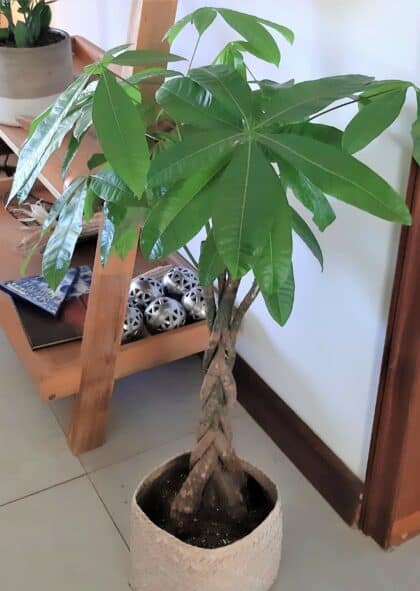
This houseplant should come in useful for vet fees if it delivers on its promise of bringing good luck (and money) to its owners. This small tree often has a plaited stem and needs medium indirect light. Plants that are happy in their space shouldn’t be moved as they can drop their leaves if unhappy. Water deeply and only repeat when the topsoil feels dry. Feed with a liquid fertiliser once or twice a month.
Phalaenopsis orchid
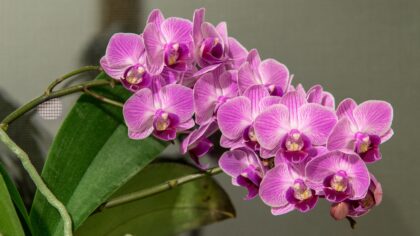
It is such good news that the beautifully exotic phalaenopsis orchids are also pet friendly, although they should be kept out of reach if you want the flower spikes to remain intact.
They like bright, indirect light, and can cope with some morning filtered sun. They only need a small amount of water once a week. Alternatively, drench the pot with water, then let it drain completely. Plants enjoy a humid atmosphere but will tolerate a dryer one as long as their potting mix doesn’t dry out.
Peperomia
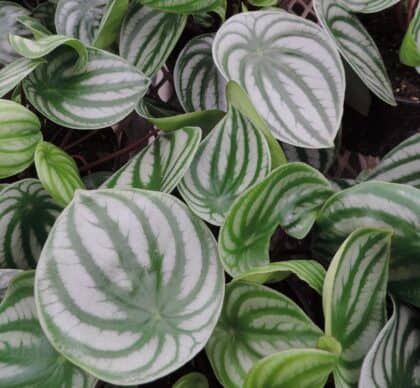
Aptly named Peperomia Watermelon its round watermelon-looking leaves appear crunchy enough to eat. Luckily, your pets won’t get sick if tempted to try one. There are many other peperomia with rumpled or silvery leaves, and all are compact growers. Good for popping in pretty pots.
They need medium indirect light, and lightly moist soil. Use a liquid fertiliser in summer to encourage new leaves.
Echeveria (Rock rose)
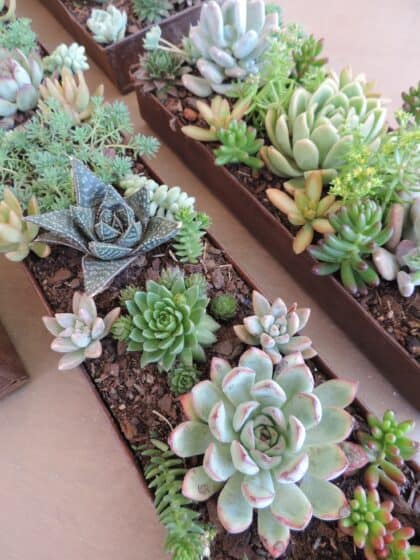
These compact succulents have earned the name rock rose for their rosette shape. Those with silvery rosettes are the most common but there are many others in different sizes and colours. Being succulents they have fleshy water-retaining leaves and need very little care. Just bright light and minimal watering. They grow best with bright light.
Article and images supplied by Alice Coetzee.
For more on gardening, visit Get It Magazine.