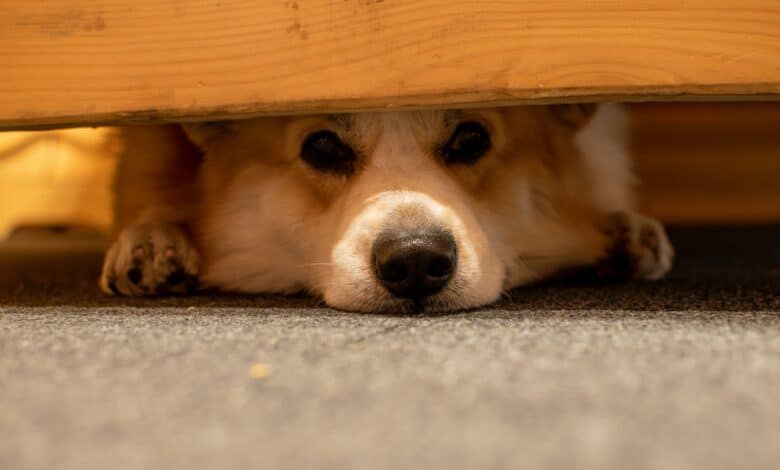
For many pets, New Year’s Eve sounds more like a nightmare than a celebration. Pets experience the loud bangs at much higher intensity compared to us, because their hearing is far more sensitive than ours. These loud, unpredictable noises cause fear, confusion, and in many cases, physical symptoms of anxiety.
If you have a new pet, or you are a first-time pet parent, look out for these signs to know if loud noises such as fireworks or thunderstorms make your pet anxious:
- Shaking or trembling
- Hiding under furniture or beds
- Barking, whining, or yowling
- Pacing and restlessness
- Salivating or panting heavily
- Trying to escape (scratching doors, jumping gates)
- Toileting inside, even if house-trained
If it’s a yes, try these steps to help desensitise your pet and be prepared before the loud bangs start:
1. Create a calm safe zone
Set up a secure room or quiet corner with your pet’s bedding, favourite toy, and access to water. Close the windows, draw the curtains, and play soft music to muffle external sounds. For rural and township homes, ensure all escape routes are blocked, as terrified pets may bolt over fences or through windows.
2. Desensitise with local sounds
Search for “Cape Town fireworks” or “Joburg thunderstorm” on YouTube and play them softly while offering treats or a chew. Gradually increase volume over time to help your pet build resilience.
3. Secure your yard and tags
In suburbs or plots, many pets flee during fireworks. Ensure your fencing is secure, and always have updated microchip and ID tag information – especially ahead of New Year’s Eve. Check with your local SPCA about their stray protocol during fireworks season.
When the Noise Starts
1. Stay close and calm
Your pet will look to you for reassurance. Avoid fussing or scolding. Instead, stay relaxed, speak gently, and sit with them if they come to you. Never force them to interact – just being there is often enough.
2. Try calming products
Some of our go-to options include:
- Adaptil (for dogs) or Feliway (for cats) – pheromone diffusers available at local vet shops
- Thundershirts – available online
- Pet Remedy or CalmEze – natural anti-anxiety supplements available over the counter
Always consult your vet before using any supplements or sedatives.
3. Distraction works wonders
Give your dog a long-lasting chew or a Kong toy stuffed with peanut butter. For cats, try puzzle feeders or feather wands. Distraction can shift focus away from what’s happening outside. Also, white noise apps or soft radio stations like Classic FM to drown out bangs.
What NOT to do
- Don’t punish your pet for being scared
- Don’t lock them in unfamiliar areas (like garages) where they may feel trapped
- Don’t leave them alone during high-risk times if you can avoid it
- Never force them outside while fireworks or thunder is active
If your pet’s anxiety is severe – causing destructive behaviour, self-harm, or chronic stress – speak to your vet. Prescription medication may be recommended for extreme cases.
Find out more by visiting PawPaw.