
Bees: Buzz word for food gardens
With a small beekeeping community and a shrinking wild bee popluation, you can do your part by looking after the bees in your garden.
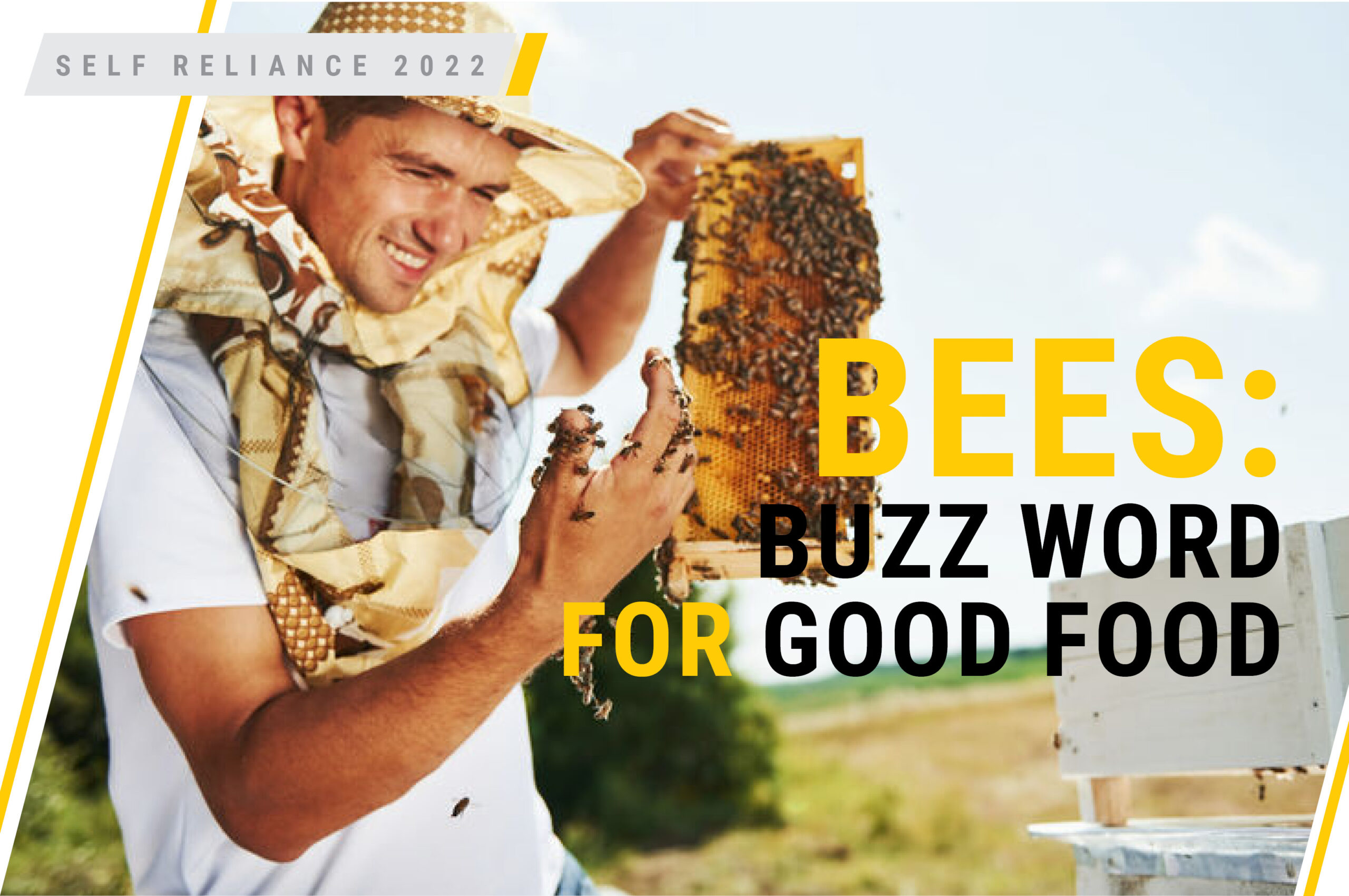
South Africa’s beekeeping industry is small, despite consumers’ huge demand for honey. This means that South Africa is forced to import most of its honey, says Elize Lundall-Magnuson of the Agricultural Research Council (ARC).
The shortage of bee farmers is worrying because, according to the South African National Biodiversity Institute, honey bees are used to pollinate about 50 crops across the country. This means that food production depends on indigenous honey bee populations.
South Africa’s wild bee population is under threat from shrinking habitats, the use of pesticides and diseases. Their dwindling numbers could result in a food challenge in the future.
Individuals can do their bit by looking after the bees in their garden or even by keeping bees.
Contributing to a healthy bee population in the vicinity of your food garden will help ensure abundant crops.
Tips for helping bees:
- Plant indigenous flowers. They are excellent sources of nectar and pollen for bees. Remember, bees need a diversity of food sources, so plant a variety of flowers. Nurseries can advise what is best to plant.
- Do not plant only lawns, but allow for some wild grasses to grow.
- Buy locally produced honey.
- Leave water out for the bees in dry times, but do not add sugar to it.
- Avoid pesticides.
“If you are interested in buying authentic South African honey, you need to visit farmers’ markets or buy from beekeepers in your area. A way to find out who keeps bees is to contact the South Africa Beekeepers Industry Organisation (www.sabio.org.za),” she says.
Accredited beekeeping courses are available all over South Africa. Contact Lundall-Magnuson at lundallme@arc.agric.za for more information.
Join the self-sustainability revolution
Sustainability is the ability to exist and develop without depleting natural resources for the future.
Imagine a world in which you do not have to rely on anyone for your needs. Eskom outages, water failures, less-than-fresh fruit and veg in stores and other challenges that add to the stress of modern living would simply be shrugged off because you have created a bubble of self-sustainability. People are increasingly going back to the basics of growing their food, minimising their reliance on state services and reducing their carbon footprint. Isn’t it time you embarked on your self-sustainability journey? It starts with baby steps and leads to a lifestyle revolution.
Read original story on letabaherald.co.za

