
Bloemfontein paediatrician urges vigilance over early childhood diabetes symptoms
Recognising warning indicators such as extreme thirst and fatigue can ensure young patients receive timely medical care and specialised support.
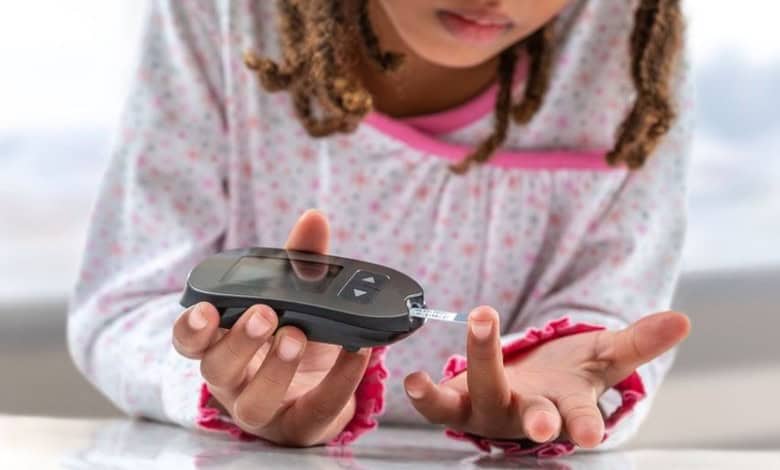
With November marking Diabetes Awareness Month, parents are urged to recognise early warning signs of diabetes in children and seek prompt medical attention, as the condition can develop at any age, including infancy.
Dr Riana van Zyl, paediatrician at Mediclinic Bloemfontein, tells Bloemfontein Courant that although Type 1 diabetes is the most common form of diabetes in children, Type 2 diabetes is also becoming increasingly prevalent, particularly among children living with obesity.
She explains that Type 1 diabetes cannot be prevented, whereas Type 2 diabetes can be prevented through healthy lifestyle habits, including balanced nutrition and regular physical activity.
The common warning signs of Type 1 diabetes include frequent urination, excessive thirst, unexplained fatigue, difficulty concentrating and unexplained weight loss. Other symptoms include increased hunger, blurred vision, irritability, behavioural changes, recurring infections and wounds that take longer to heal.
Van Zyl emphasises that parents should not ignore these symptoms, even when they appear mild.
“If a parent is worried about their child’s health, they should discuss it with a healthcare professional as soon as possible.”
Clinic nurses, general practitioners or paediatricians can assess children for the condition. Blood glucose and urine tests can help establish whether the child has diabetes, with results available immediately. Depending on the initial assessment and level of care, a referral to a specialist may be necessary.
Action should not be delayed, according to Van Zyl: “Do not wait to act; parents know their children and know when something is wrong.”
Early recognition and care
She says education is the cornerstone of managing diabetes and parents must first understand the disease and its management before helping their children learn how to live with it.
She recommends diabetes counselling and support groups, where parents and children can discuss their fears, emotions and practical experiences. Emotional support is equally important, as children may struggle with feeling different from their peers or experience bullying because of their condition.
“I encourage parents to have their child see a play therapist or psychologist (depending on their age) to help them process all their emotions. You as the parent might also benefit from counselling as your life has also changed completely.”
At home, children should gradually become involved in their own care, while teenagers can begin taking joint responsibility for aspects of their treatment, such as administering insulin.
Managing health at school
Schools also have an important role to play. Teachers should understand diabetes and recognise the warning signs of both hypoglycaemia (low blood glucose) and hyperglycaemia (high blood glucose).
Van Zyl says schools should accommodate learners who need additional snacks or use continuous glucose monitors (CGMs), which may require access to their cellphones to monitor glucose levels.
The wider family should also offer practical and emotional support, including making dietary adjustments where necessary.
Overcoming misconceptions
Addressing misconceptions about childhood diabetes, Van Zyl says children with the condition should not be regarded as abnormal or incapable of participating fully in everyday activities.
“Diabetes is a manageable condition, and there have been incredible advances made to use electronic devices, like CGMs and insulin pumps, which further improve ease and accuracy in keeping the child’s glucose stable,” she says.
She also stresses that a diabetes diagnosis is not the result of poor parenting, unhealthy habits or something the child has done wrong.
“Diabetes should not become the child’s identity. They are still themselves – individuals with goals and dreams – but they have a chronic condition.”
Van Zyl encourages parents to allow children with diabetes to participate in sports, cultural activities and play alongside other children without being defined by their diagnosis.
Breaking news at your fingertips… Follow Caxton Network News on Facebook and join our WhatsApp channel.
Nuus wat saakmaak. Volg Caxton Netwerk-nuus op Facebook en sluit aan by ons WhatsApp-kanaal.
Read original story on www.bloemfonteincourant.co.za

