
Blue Flag beaches and shark nets don’t go together
Environmentalists believe the presence of shark nets that indiscriminately include dolphins, rays, turtles and other species as by-catch, violates Blue Flag’s environmental objectives.
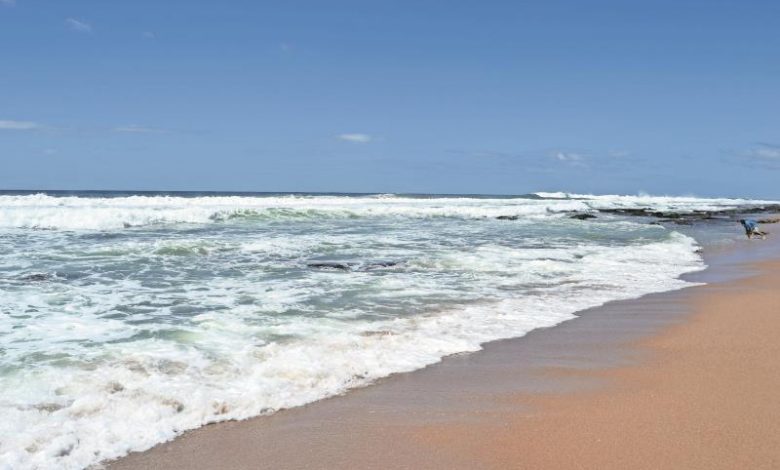
Beaches with Blue Flag status are seen as a tourist attraction, since stringent standards have to be adhered to, especially with regard to water quality, amenities, safety, cleanliness and environmental management.
However, few might know that Blue Flag regulations were initially established as an environmental protection mechanism. Protection of the marine environment and sea creatures, rather than bather enjoyment, was the original purpose of Blue Flag beaches, with water quality the paramount issue.
In fact, in South Africa, the programme is run under the auspices of the Wildlife and Environment Society of South Africa, in partnership with the government.
The criteria are set by the Blue Flag founders, the International Foundation for Environmental Education in Europe, and the original awards were based on standards covering sewage treatment and bathing water quality at coastal cities.
Tragically, coastal zones are still the dumping ground for industrial waste and sewage disposal along South Africa’s coast.
The Blue Flag ‘rules’ later expanded to incorporate a code of conduct for beach behaviour, waste disposal bins, recycling, camping rules, dune vegetation, boating protocols, building maintenance, lifeguards, first aid, and a host of other criteria.
Environmentalists believe the presence of shark nets (gill nets) that indiscriminately include dolphins, rays, turtles and other species as by-catch, violates Blue Flag’s environmental objectives.
Read original story on southcoastsun.co.za

