
Covid-19: Omicron sub-variants drive surge in Covid-19 cases
On the Covid front this week, two relatively new sub-variants, BA.4 and BA.5, dominate transmissions in South Africa; masks are here to stay; and the deadline for comments on the proposed health regulations has been extended.
After weeks of decline, South Africa saw its Covid-19 cases rise in recent weeks.
The positivity rate and hospitalisations increased as scientists watched two relatively new sub-variants, BA.4 and BA.5, dominate transmission in the country.
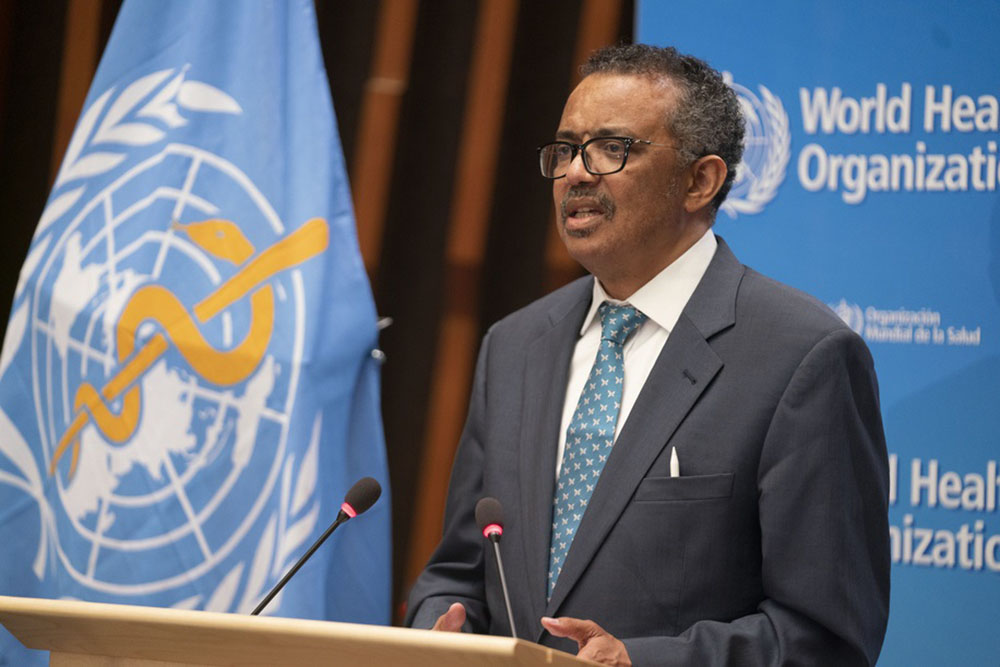
World Health Organisation Director-General Dr Tedros Adhanom Ghebreyesus said in his May 4 address that reported cases and deaths from Covid-19 declined globally, with reported weekly deaths at their lowest since March 2020.
“These trends, while welcome, don’t tell the full story. Driven by Omicron sub-variants, we are seeing an increase in reported cases in the Americas and Africa.
Watch: Omicron subvariants drive surge in Covid-19 cases
“South African scientists who identified Omicron late last year have now reported two more Omicron sub-variants, BA.4 and BA.5, as the reason for a spike in cases in South Africa,” said Ghebreyesus.
He said early data suggest vaccination remains effective in preventing severe disease and death.
“Vaccinating at least 70% of the population of every country, including 100% of the most at-risk groups, remains the best way to save lives, protect health systems and minimise cases of long Covid.”
Get tested
Ghebreyesus added that testing and sequencing remain critical.
“The BA.4 and BA.5 sub-variants were identified because South Africa is still doing the vital genetic sequencing that many other countries have stopped doing. In many countries, we’re essentially blind to how the virus is mutating. We don’t know what’s coming next,” said Ghebreyesus.
What are BA.4 and BA.5?
The National Institute for Communicable Diseases (NICD) explained in a report released this week that BA.4 and BA.5 are two newly-designated Omicron lineages, currently still classified as the Omicron variant, meaning that they are not a new variant of concern; rather, they are Omicron viruses with a new combination of mutations.
In terms of their mutations, BA.4 and BA.5 share mutations across their genomes with BA.1 and BA.2, also lineages of Omicron, and are most similar to BA.2.
The NICD reported that the Omicron lineage BA.4 was first detected from a specimen collected on January 10 in Limpopo. By April 29, it had been detected in all provinces.
The Omicron lineage BA.5 was first detected on February 25 and by April 22, it had been detected in Gauteng, Limpopo, Mpumalanga, KwaZulu-Natal, the North West and the Western Cape.
Both lineages have since been detected in countries outside of South Africa, including the USA, UK and Botswana.
Masks to stay
On Thursday, shortly before the transitional Covid restrictions imposed when the state of disaster was lifted were set to expire, the Department of Health (DoH) announced new limited regulations. These mandate mask wearing in indoor public spaces and specify the number of people allowed at gatherings.
Zululand Observer reports the DOH clarified the confusion over the need for schoolchildren to wear masks at school.
While the original announcement by the department stated the wearing of masks at indoor public places did not apply to children at school, this is not the case, but an ‘unfortunate and regrettable human error’.
‘This is not part of the gazetted health regulations, and is therefore retracted to avoid any misunderstanding of the regulations,’ said the department.
‘Therefore, children, like other people, are expected to continue complying with the provisions of Regulation 16A on face masks in the classrooms and general indoor gatherings, unlike outdoors on playgrounds and sports fields.’
At the same time, another extension was announced to the deadline for public comments on the proposed health regulations that will enable the government to manage pandemics without a state of disaster being declared.
People now have until July 5 to make submissions. These must be emailed to legalreviews@health.gov.za
Read the full DoH announcement here
Fifth wave
While Health Minister Joe Phaahla has said South Africa is on the brink of its fifth wave, economists do not expect tighter restrictions.
Covid-19 statistics
On May 5, the NICD reported 9 757 new Covid-19 cases, which brought the total to 3 818 125. This represented a 25,9% positivity rate.
The NICD also reported that by yesterday, South Africa had 48 672 active cases and the total number of deaths was 100 471.
The majority of new cases were in Gauteng (44%) followed by KwaZulu-Natal (24%).
#COVID19 UPDATE: 37,618 tests were conducted in the last 24hrs, with 9,757 new cases, which represents a 25.9% positivity rate. Today @HealthZA reports 64 deaths; of which 7 occurred in the past 24–48 hrs. Total fatalities are 100,471 to date: https://t.co/1cExD4h5bZ pic.twitter.com/haOSRPCHNA
— NICD (@nicd_sa) May 5, 2022
Read original story on bedfordviewedenvalenews.co.za

