
Dangerous pest not found in Kruger park
No sign has been found of the destructive shot hole borer beetle in the Kruger National Park (KNP), but park management is taking pro-active steps to prevent its possible entry.
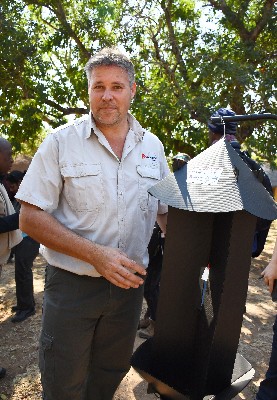
SKUKUZA – They are setting up traps at the boundaries, major rest camps and picnic spots to monitor the possible presence of the invasive polyphagous shot hole borer beetle (PSHB), Lowvelder reports.
Bringing firewood from outside is not banned, though should the beetle be found by researchers, such a ban may be imposed, says Navashni Govender, senior conservation manager in the KNP.
Currently they advise visitors to “buy where they burn” wood. The invasive PSHB beetle hails from South East Asia and was first discovered in South Africa in 2017.
“SANParks has, however, found it in the Tsitsikamma National Park.
The beetle attacks indigenous as well as exotic species. Trees are killed because beetles bore holes into trees where fungus grows.
It is actually this fungus that kills trees, as it blocks the tree’s vascular system preventing water and nutrients from circulating.”
According to Govender, it has been found in all provinces except Limpopo.
In Mpumalanga it has only been spotted in a single tree in Mbombela, after which the tree was demolished.
SANParks is following a threefold strategy to curb distribution of the beetle: monitoring and detection through more than 30 traps (more may follow); training of staff, like rangers, gate officials and local communities; and creating awareness among visitors and tourists.
The traps were set up by Rudolf Nieuwenhuys of Biosecurity Africa.
Read original story on lowvelder.co.za

