
Don’t borrow recklessly amid Covid-19 pandemic, warns Ledet
Ledet advises consumers to be responsible during this time due to the growth in 'black tax' and worsened saving culture in Limpopo.
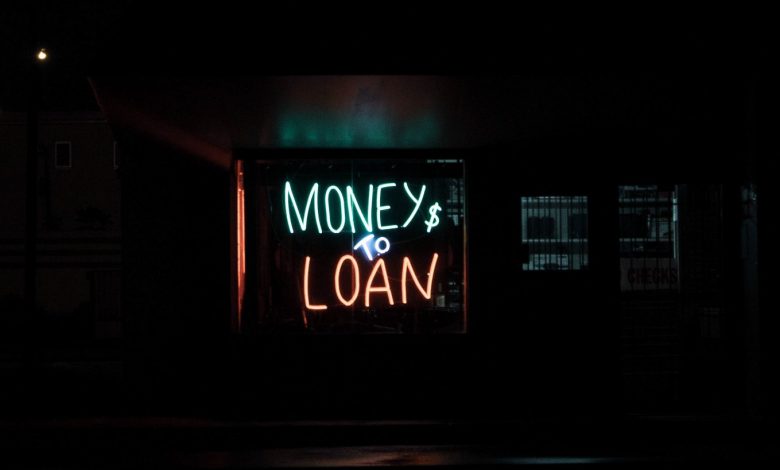
For cash-strapped residents, taking out a loan may seem like the best way to get temporary financial relief. The Limpopo Department of Economic Development, Environment and Tourism (Ledet) however warns the public to avoid reckless borrowing amid the Covid-19 pandemic.
The Covid-19 pandemic put a lot of strain on the local economy with many losing income to support their families. The affected people often look to registered/non-registered lenders for loans or credit thinking about alleviating the immediate cash flow issues and not looking at the implications thereof in the future.
Credit in South Africa is regulated in terms of National Credit Act 34 of 2005. The National Credit Regulator, an agency of the Department of Trade and Industry was established to regulate credit. Section 60(1) of the National Credit Act gives every adult or juristic person the right to apply for a loan.
“With some companies not able to cope under Covid-19, you might be a victim of job-losses or reduced salary. The consumer should therefore be responsible, and avoid reckless borrowing,” says Zaid Kalla, Ledet spokesperson.
Due to the fact that buying on credit or taking loan is one of the areas where a consumer will be hardest hit, the department advises consumers to consider the following before taking that route:
Check your repayment affordability before taking any loan or credit.
- Draw a line between needs and wants.
- Borrow from registered micro lenders
- Buy on lay-bye or cash, avoid credit.
- Look around for lower interest rates.
- Ensure that your credit provider conducts affordability assessments before granting you the loan.
He reminds lenders that they have certain rights:
- You have a right to receive a copy of your loan contract, in a language you understand.
- Retention of ID documents or any cards is prohibited and therefore a criminal offence.
Kalla concluded that with the recent growth in ‘black tax’ and a worsened savings culture, consumers must draw a line between their needs and wants before they opt to take a loan or credit.
*Notice: Coronavirus reporting at Caxton Local Media aims to combat fake news
Dear reader,
As your local news provider, we have the duty of keeping you factually informed on Covid-19 developments. As you may have noticed, mis- and disinformation (also known as “fake news”) is circulating online. Caxton Local Media is determined to filter through the masses of information doing the rounds and to separate truth from untruth in order to keep you adequately informed. Local newsrooms follow a strict pre-publication fact-checking protocol. A national task team has been established to assist in bringing you credible news reports on Covid-19. Readers with any comments or queries may contact National Group Editor Irma Green (irma@caxton.co.za) or Legal Adviser Helene Eloff (helene@caxton.co.za).
Read original story on reviewonline.co.za

