
Durban CBD no longer attractive to businesses, says economist
The office vacancy rate in the Durban CBD is the highest when compared to other popular business districts in the country.

The Durban Central Business district is no longer an attractive destination for premium office space.
This was the summation of Durban-based economist Bonke Dumisa who was commenting on Durban’s increased office vacancy rate.
A report published by Durban Edge, an economic research unit within the eThekwini Municipality, showed that the Durban CBD had the highest office vacancy rate when compared to other major business districts in the country like Sandton, Johannesburg and Cape Town.
“There was already a problem before Covid-19, more companies had begun moving to areas outside of the Durban CBD as there is less traffic, crime and better property value. Right now, there is no major corporation which has their headquarters at the Durban CBD, which is a far cry from back in the days,” said Dumisa.
The report comes as Transnet is also planning to move its headquarters from Durban to Port Elizabeth.
The report states this was largely in part due to the Covid-19 pandemic which forced people to work from home and the closure of many small macro and medium enterprises.
“The fastest-growing office vacancies were observed in the B grade office segment. The main tenants for this grade of office space are SMMEs who are more vulnerable to economic shocks than other businesses,” said the report.
The report acknowledges that the pandemic has fundamentally changed the modern workspace and pre-Covid levels of office capacity may never be returned even after the coronavirus is effectively managed.
This poses a serious economic problem for Durban as 32 per cent of the City’s R9,2 billion annual rates income comes from business and or commercial properties, the report notes.
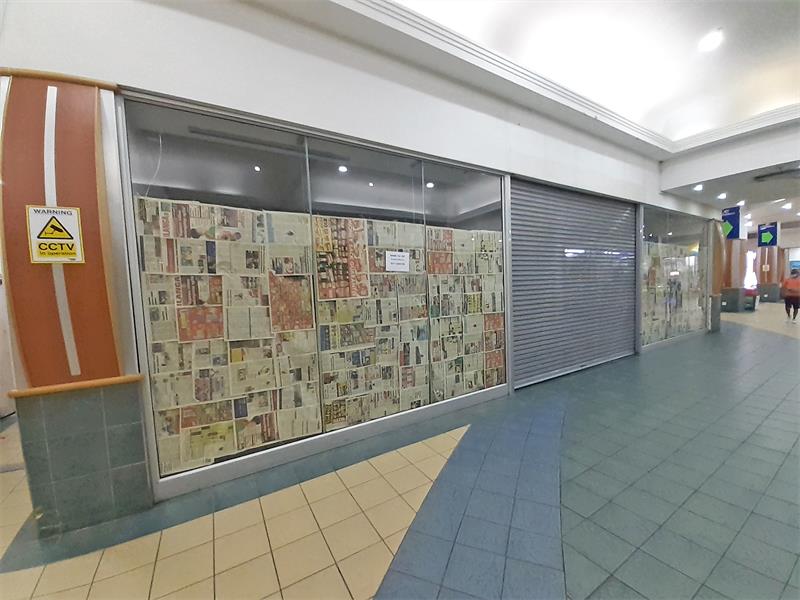
“The “office space” sector is therefore critical to the City’s revenue sustainability. If a decline in demand for office space persists, cities such as Durban who collect higher rates per commercial vs. residential property may have to monitor trends and reassess how properties are rated in order to compensate for potentially lost revenues,” states the report.
Dumisa, who also has an office in the CBD, said the city should focus on enforcing its bylaws if it has any hope of attracting back premium renters.
“It’s impossible to get into my parking bay because the entrance is always blocked, either by taxis, hawkers or vagrants so now you can imagine how that translates to clients,” he said.
Notice: Coronavirus reporting at Caxton Local Media aims to combat fake news
Dear reader,
As your local news provider, we have the duty of keeping you factually informed on Covid-19 developments. As you may have noticed, mis- and disinformation (also known as “fake news”) is circulating online. Caxton Local Media is determined to filter through the masses of information doing the rounds and to separate truth from untruth in order to keep you adequately informed. Local newsrooms follow a strict pre-publication fact-checking protocol. A national task team has been established to assist in bringing you credible news reports on Covid-19.
Readers with any comments or queries may contact National Group Editor Irma Green (irma@caxton.co.za) or Legal Adviser Helene Eloff (helene@caxton.co.za).
Read original story on bereamail.co.za

