
Gauteng taxi industry gears up for changes in 2022
“We are currently in the process of capturing biometric data of minibus taxi operators and the drivers, but also we are mapping up all the routes on a digital platform.”
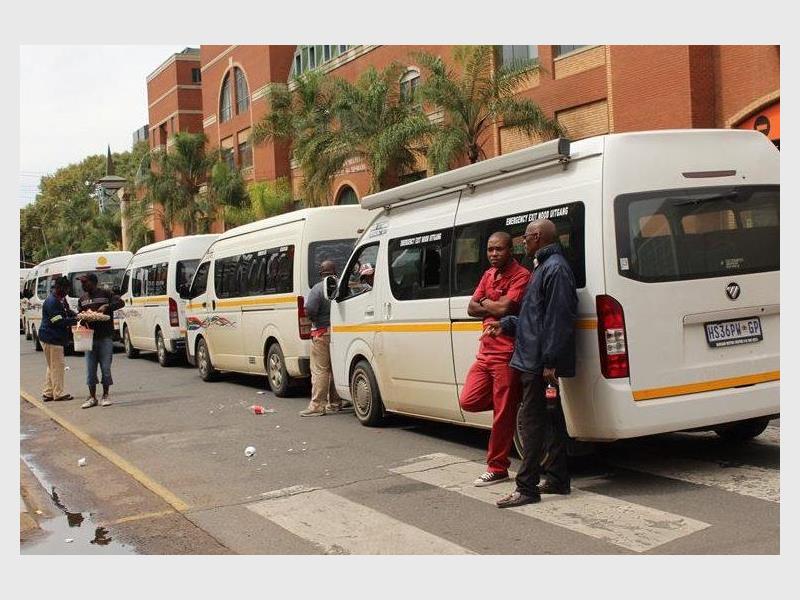
The taxi industry in Gauteng is to undergo multiple changes, including audits, the establishment of an arbitration office and temporary prohibition on licence applications in early 2022.
The Gauteng Department of Roads and Transport on Thursday, during the Gauteng provincial legislature’s virtual sitting, announced that it was making progress towards the establishment of a public transport arbitration office.
The office would be a key intervention in curbing minibus taxi violence and facilitating an integrated public transport system.
Public Transport and Roads Infrastructure MEC, Jacob Mamabolo, said “This office, which will be chaired by a retired judge, will assist in providing an independent, credible and transparent platform through which disputes will be addressed, especially disputes around the public transport routes”.
The arbitration office comes as a result of consultations with the minibus taxi industry following the Gauteng taxi industry summit held in Emfuleni local municipality in July 2019.
ALSO READ: UPDATE: E-toll system failed from start, transport forum told
“It is also in line with recommendations of Judge Jeremiah Shongwe’s commission of inquiry into taxi violence,” said Mamabolo.
“After the Gauteng provincial legislature has ratified the regulations that we have recommended, we expect the public transport arbitration office to be operational early in 2022.”
He said the department had also put a moratorium on new applications for operating licences, while it is working with the Council for Scientific and Industrial Research (CSIR) to audit minibus taxi operators in Gauteng.
“This is critical, especially in the minibus taxi industry where disputes over the operation of routes often result in violence and loss of life.
ALSO READ: Taxi driver arrested for transporting 26 people in 16-seater
“The CSIR is helping us create a digital database so that we know who exactly owns minibus taxis in our province. We are currently in the process of capturing biometric data of minibus taxi operators and the drivers, but also we are mapping up all the routes on a digital platform,” said Mamabolo.
Mamabolo said these efforts were part of the department’s growing Gauteng together through smart mobility strategy which prioritised the modernisation of the minibus taxi industry as an intervention to make public transport safe, affordable and reliable.
The strategy has also identified the modernisation and corporatisation of the taxi industry as a necessity in building a smart taxi industry that would compete in an ever-changing public transport mix.
Read original story on rekord.co.za

