
Government halts AI policy process following internal verification findings
The Draft National Artificial Intelligence Policy has been withdrawn after government verification revealed fictitious references.
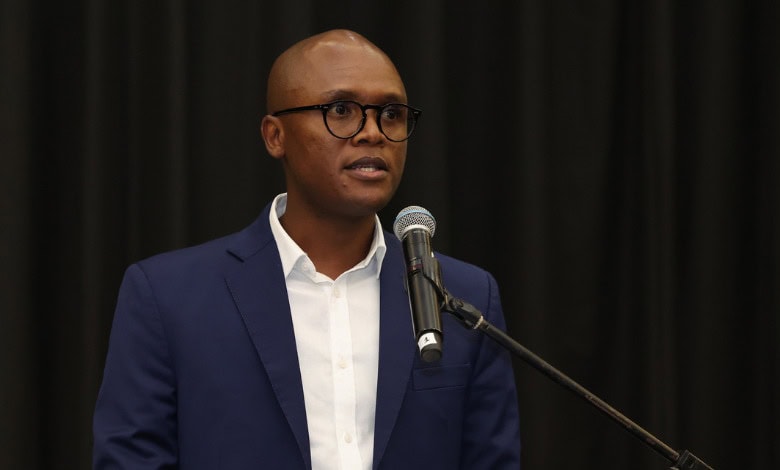
Communications and Digital Technologies Minister Solly Malatsi has announced the withdrawal of the Draft National Artificial Intelligence (AI) Policy following an internal process.
“Following revelations that the Draft National Artificial Intelligence Policy published for public comment contains various fictitious sources in its reference list, we initiated internal questions, which have now confirmed that this was the case.
“This failure is not a mere technical issue but has compromised the integrity and credibility of the draft policy. As such, I am withdrawing the Draft National Artificial Intelligence Policy,” the minister said.
Policy process and public consultation
The draft AI policy was approved by Cabinet on March 25 (combined with the special sitting of Cabinet on April 1), for public comment. In the Government Gazette dated April 10, the public had until June 10 to comment on the bill.
The document extends the initial AI policy framework by embedding principles of intergenerational equity, ensuring that AI-driven innovation prioritises the well-being of current and future generations.
Government’s broader AI ambitions
Speaking at the launch of the Fourth Industrial Revolution lab and a Centre of Specialisation in Mpumalanga for artisan training earlier this month, Deputy President Paul Mashatile said the government is developing a comprehensive response through the policy.
He added at the time that the policy will establish national priorities, norms, and sector-specific strategies across manufacturing, energy, infrastructure, transport, and trade.
Minister cites accountability and oversight failures
Yesterday, Malatsi said the withdrawal comes as South Africans deserve better.
“The Department of Communications and Digital Technologies did not deliver on the standard that is acceptable for an institution entrusted with the role to lead South Africa’s digital policy environment. The most plausible explanation is that AI-generated citations were included without proper verification.
“This should not have happened. In fact, this unacceptable lapse proves why vigilant human oversight over the use of artificial intelligence is critical. It’s a lesson we take with humility. I want to reassure the country that we are treating this matter with the gravity it deserves. There will be consequence management for those responsible for drafting and quality assurance,” said the minister. – SAnews.gov.za
Breaking news at your fingertips… Follow Caxton Network News on Facebook and join our WhatsApp channel.
Nuus wat saakmaak. Volg Caxton Netwerk-nuus op Facebook en sluit aan by ons WhatsApp-kanaal.
Read original story on www.citizen.co.za

