
Government urged to expedite Liquor Amendment Bill
The bill, among other things, makes provision for increasing the drinking age to 21 years to stop consumption by those most prone to binge.
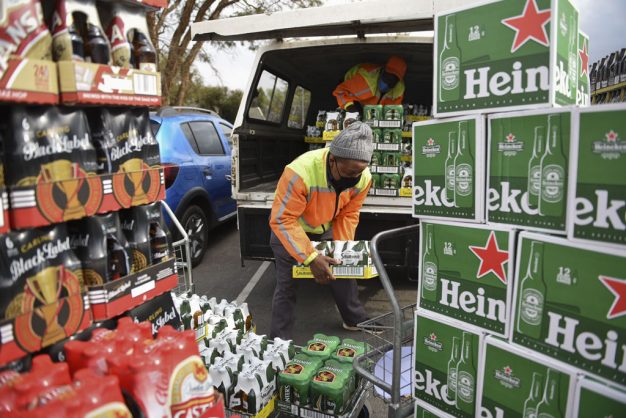
The Southern African Alcohol Policy Alliance in South Africa (SAAPA SA) has urged the government to expedite the Liquor Amendment Bill of 2017, with the aim of reducing the “harms” of alcohol rather than “relying on emergency measures in times of crisis”, The Citizen reports.
The alliance said it welcomes the acknowledgement in the ANC’s January 8 statement of the impact alcohol abuse has on communities.
“The president [Cyril Ramaphosa] correctly pointed out the need for a national strategy that includes legislative reviews and community mobilization,” the alliance said in a statement.
SAAPA SA said it looks forward to engaging with the government, which it urged to take steps “to permanently reduce alcohol-related harm” in the country.
“Cabinet adopted a new Liquor Policy in 2016, a policy aligned with the World Health Organisation (WHO) Global strategy to reduce the harmful use of alcohol (2010). It must be implemented urgently.
“A Liquor Amendment Bill based on that policy was approved by Cabinet in 2016 and subjected to an extensive public participation process.
“Since 2017, the Bill has stalled. The Department of Trade, Industry and Competition has a duty to reactivate the processing of the Bill by submitting it to parliament for consideration without delay. Parliamentarians, too, should hold the department to account for the inordinate delay in getting this Bill sent to them,” the alliance said.
SAAPA SA said the bill, among other things, makes provision for:
- increasing the drinking age to 21 years to stop consumption by those most prone to binge drinking. In 2018, WHO reported excessive heavy drinking particularly amongst 15-19 year olds.
- holding distributors, retailers and traders liable for alcohol-related harm perpetrated by their customers. It assumes the introduction of a tracking mechanism, which will contribute to reducing sales into the unlicensed and illegal sector where 70% of beer is sold.
- limiting alcohol advertising, including a complete ban of alcohol ads on social media, a platform largely used by young people.
“The adoption of the Liquor Amendment Bill will mean better regulation of the distribution, trading and marketing of alcohol, a change for the better in social drinking norms, and a reduction in the economic and social burden of alcohol-attributable harm on the country.
“There are those who have said that Covid-19 should not be used to ‘pursue unrelated agendas’ – and amongst these they would include the call for stricter measures to control alcohol once the pandemic is over.
“Covid-19 has exposed the weaknesses in the country’s handling of the harmful use of alcohol. This has been acknowledged time and again since March 2020 by politicians, public health professionals and civil society organisations across the country, all of whom have called for tougher measures for managing alcohol even after the end of the State of Disaster. The governing party needs to use what we have learnt to create an alcohol safe South Africa.”
Notice: Coronavirus reporting at Caxton Local Media aims to combat fake news
Dear reader,
As your local news provider, we have the duty of keeping you factually informed on Covid-19 developments. As you may have noticed, mis- and disinformation (also known as “fake news”) is circulating online. Caxton Local Media is determined to filter through the masses of information doing the rounds and to separate truth from untruth in order to keep you adequately informed. Local newsrooms follow a strict pre-publication fact-checking protocol. A national task team has been established to assist in bringing you credible news reports on Covid-19.
Readers with any comments or queries may contact National Group Editor Irma Green (irma@caxton.co.za) or Legal Adviser Helene Eloff (helene@caxton.co.za).
Read original story on citizen.co.za

