
Just under R500m meant for Covid-19 relief in Pretoria used for land purchase
A large portion of Tshwane metro’s R493.2m meant for Covid-19 relief was used to purchase land for a group of people who were left homeless by floods in Mamelodi in December 2019.
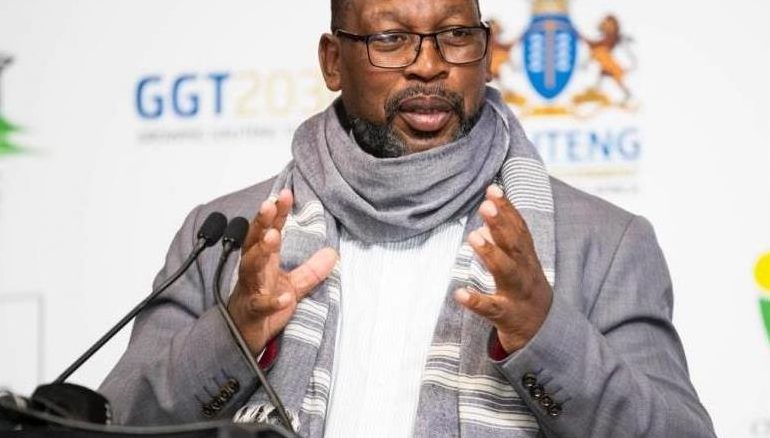
This was according to the metro’s former head administrator Mpho Nawa, responding to findings of a recent audit report compiled by a Tshwane metro audit and performance committee.
The report revealed that an amount of R493.2m meant for urban settlement development grant re-allocation in support of Covid-19 relief, was used for unrelated services.
The report said the millions were spent contrary to conditions set out by the national treasury, resulting in the finding of mismanagement of funds.
The report also found R1b in irregular expenditure involving a single housing project.
At the time the Covid-19 outbreak hit the country’s shores, the municipality was under the leadership of the temporary administrators who also provided oversight over the Covid-19 projects between March until October 2020.
Nawa said a large part of the R493.2m was “in a way” used to solve a Covid-related problem because it was used to relocate Mamelodi residents living in a crowded church for over a year, after they were left homeless by the floods in December 2019.
“This in a way, was to solve a Covid-related problem because the people were crowded in a church for over a year. At face value, it might seem as if the money was wasted, but this was to solve a bigger problem of people who had no homes.”
Hundreds of families in the Eerste Fabrieke informal settlement in Mamelodi were displaced after their homes were damaged during heavy rains causing floods in the area in December 2019.
“We would have done everything to comply with national treasury requirements, but at the time we had to deal with this informal settlement crisis during the Covid-19 outbreak. We did everything in the interest of Tshwane’s people.”
Tshwane metro chief-of-staff Jordan Griffiths said the national treasury stipulated to the metro that this reallocation should support the metro’s Covid-19 responsiveness.
“Due to the administrators’ failure to properly manage the city’s finances, they used some of this funding towards core city operational matters.”
Regarding the R1b irregular expenditure on the Soshanguve housing project, known as Thorntree View, Griffiths said this was not a result of mismanaged funds.
According to Griffiths, instead, it happened due to the municipality’s breach of the municipal finance management act.
Griffiths said the project ran between 2007-2011 and the municipality failed to disclose the project to council as stipulated by the municipal act for projects running over three years.
“Therefore, the project was found to be irregular expenditure.”
He said the R1b was spent to build 8 587 houses.
“It’s important to understand that irregular expenditure does not mean wasteful expenditure. It is not as if the R1b was misspent.”
The irregular expenditure was detailed in the 2018/19 financial year.
Economist Dawie Roodt said major audits could be fully audited years later, after they were concluded.
“Although a project was done years ago, it is possible for its full audit to be accounted for in the recent financial year due to some loose ends that might be needed to be completed for a full audit to be conducted.”
While the committee report also found that the metro group audit and risk department was failing to cope with the irregular expenditure related investigations, Griffiths said they were faced with financial constraints for personnel in the past few years.
He said they were looking into ensuring such critical vacancies were filled.
Read original story on rekord.co.za

