
Kirkwood unrest: The ticking bomb of inequality
The recent violent protests in the Eastern Cape are being blamed on wages and service delivery, but a conflict resolution specialist says there is a deeper cause – and it is prevalent throughout South Africa.
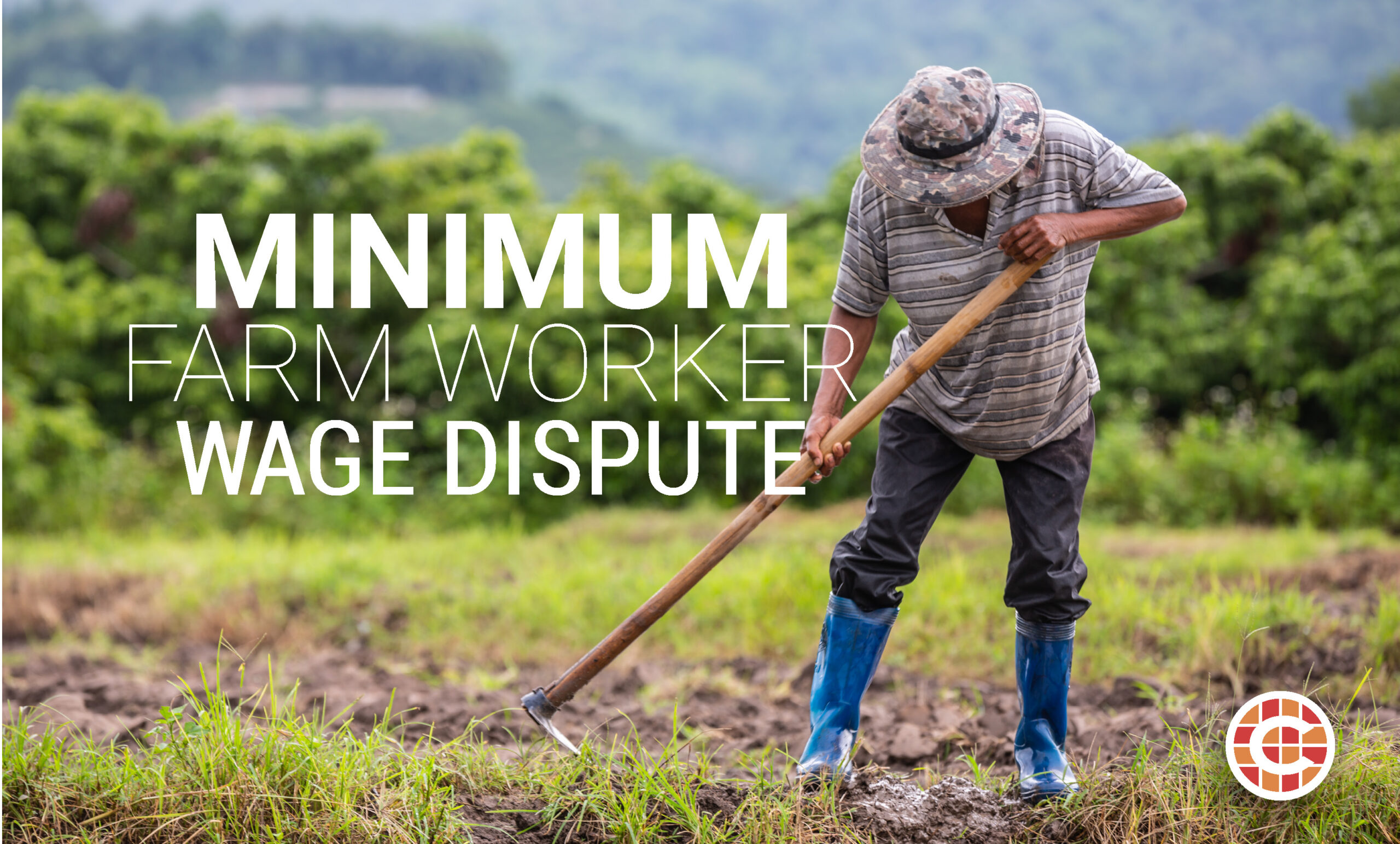
What happened in the citrus farming area around Kirkwood this week could unfold at any time in any place in South Africa, says South African conflict resolution specialist Andre Vlok.
He believes the violent protests are the result of deep-seated inequality that exists in all communities across the country.
“Kirkwood is a microcosm of the national political situation in South Africa,” he says.
Striking farmworkers and other protesters caused havoc in the town and on farms in the district when their request for a minimum wage of R30 an hour was denied. They are also unhappy with the level of service delivered by the municipality. One farmworker died and infrastructure was damaged. Citrus industry expert Hannes de Waal says the losses – including crops that cannot be harvested – amount to over R200m.
WATCH: Conflict resolution specialist Andre Vlok chats to Izak du Plessis about the deeper cause of the Kirkwood violence.
While the workers are adamant that they want over R6 more an hour, farmers say there is no way that they can afford the increase, given the current economic climate. On Saturday, while negotiations continued, the protests had died down but security personnel remained on alert.
According to Vlok, conflicts of this nature are not limited to Kirkwood.
“You will find Kirkwood in other parts of the country. The resentment, the anger and the conflict are also rife in other small towns, bigger towns and cities, because there is something much deeper than the demand for higher wages behind this,” says Vlok.
Also read: Kirkwood protests: Stalemate over R6.80 minimum wage increase
“You have people on farms that barely survive and are barely able to provide for their families, and they live right in the middle of very rich people.”
According to Vlok, you can only start working on a solution once you have identified the real problem.
Even then, however, years of conditioning make it difficult to get people on opposite sides to talk sensibly to each other, he says.
“It is then that terms like honesty, integrity, dignity and accountability become important,” says Vlok. “When people from all sides of a conflict realise what is important to the other group, only then can you start to move forward.”
Read original story on albertonrecord.co.za

