
KZN farmers suffer as drought persists
Despite scattered thundershowers, farmers continue to count their losses due to the devastating drought that has wreaked havoc throughout the province.
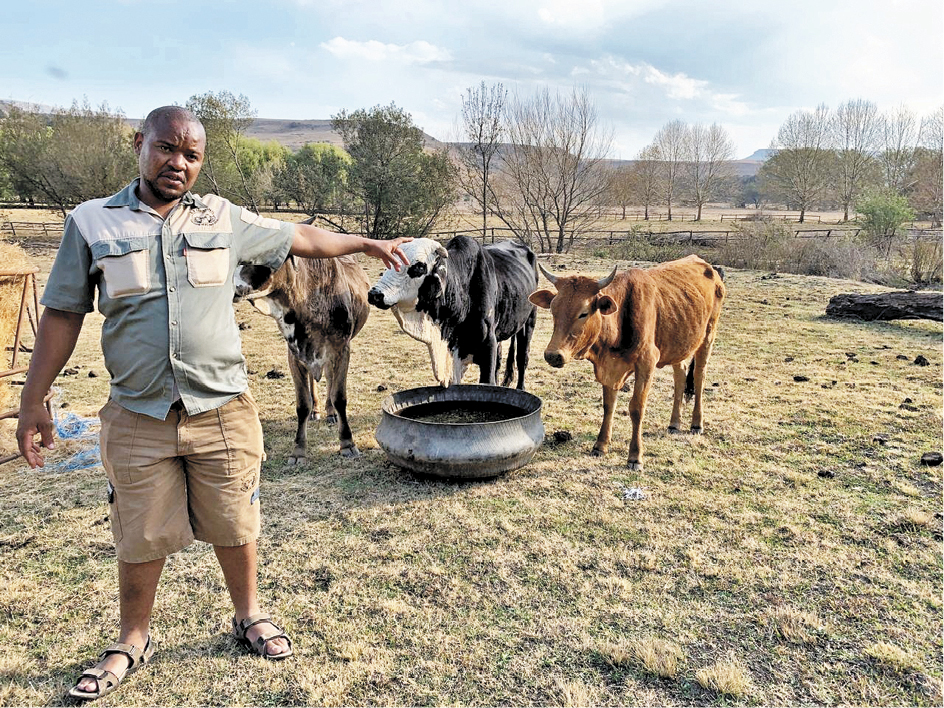
With livestock dying and crops failing, concerns over whether farmers will receive any support from the government have been raised, Maritzburg Sun reports.
The African Farmers Association (Afasa) provincial secretary, Thubelihle Zondi, said the situation has led to them buying water from tankers to keep livestock alive as the drought conditions aggravate. Zondi said he has lost 25 head of cattle, worth R250 000, due to the drought.
“The drought has hit farmers hard as crops are failing and livestock are dying due to prolonged dry spells and scorching heatwaves. Animal feeds has been on high demand which resulted in escalated prices. Grazing lands has gone which steers to costs being high,” said Zondi.
Zondi said he spends R6000 a week to feed his animals. He said this situation has led him to sell some of his livestock at a lower price since they are not in good condition due to the situation.
Sydness Nxele, who grows vegetables, said the drought has led her to water her plants three times a day.
“I decided to grow my vegetables so that I can survive as I depend on a government pension fund to raise my four unemployed children. I usually sell vegetables to my neighbours just to make extra cash but my crops are suffering. The soil is too hot and the plants end up rejecting the hot underground water,” said Nxele.
Afasa national chairperson, Neo Masithela, said the countrywide drought could not be viewed as “a looming disaster” because South Africa was “already living in a disaster”.
“The drought impact has led to farmers recording high numbers of livestock losses. Every day we receive reports of farmers losing their livestock, crops, with boreholes drying out and dam water levels declining,” said Masithela.
In its preliminary report, Afasa said the past few weeks have seen KwaZulu-Natal accounting for more than R12 million in livestock losses, with one farmer losing 80 breeding cows, eight bulls and 40 calves.
Calling on the government to declare the drought as a national disaster, Afasa warned that drought was so severe and spreading beyond the seven provinces, affecting all farmers, horticulture, livestock and agriculture.
Agricultural economist Wandile Sihlobo said while the call for intervention, especially in assisting farmers with livestock feed, was convincing, he pinned his hopes on more rainfall between November and January – in line with the Weather Service forecast.
“There is a case to be made for the Department of Agriculture to intervene by providing livestock feed in what I call hotspot areas affected by drought,” said Sihlobo.
South African Weather Service meteorologist for KZN, Wisani Maluleke, said the predicted high temperatures, in addition to the recent heatwaves, have led to heat stress and have an impact on human and animal health.
“It is clear that southern African farmers, water managers and government entities need to prepare for impacts associated with the likelihood of below-normal rainfall and above-normal temperatures during the summer of 2019/20. If these conditions persist, they are likely to impact on available soil moisture, water availability for irrigation, and increased heat stress on livestock.
Overall, the growing conditions for summer crops and pasture production will generally be constrained if the predicted rainfall and temperatures prevail,” said Maluleke.
Read original story on maritzburgsun.co.za

