
KZN floods: Crisis of national proportions
While the economic impact of the floods in KwaZulu-Natal is still being calculated, it is clear that all provinces will be affected and in part, lack of infrastructure maintenance is to blame.
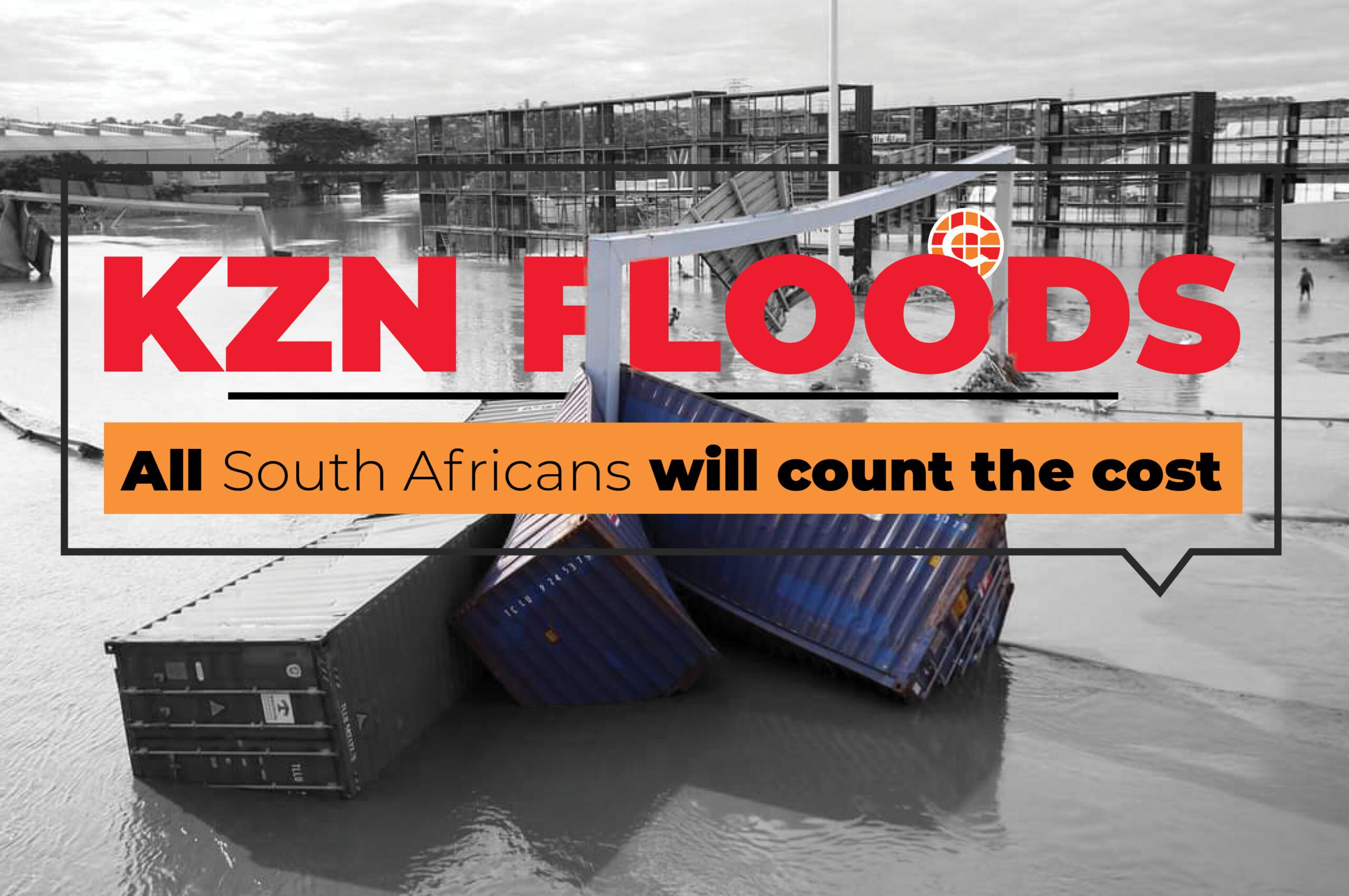
The economy of KwaZulu-Natal is on its knees after last week’s devastating floods, and it is affecting the greater economy of South Africa, says Dr Roelof Botha, economic adviser to the Optimum Group.
“This is not a KwaZulu-Natal problem, it is a national disaster,” says Botha. “We as the Optimum Financial Services Group were not surprised when President Cyril Ramaphosa declared the National State of Disaster.”
Apart from the humanitarian crisis, food shortages and price hikes across South Africa are real threats as a result of the port and roads challenges, he says. And, he adds, the catastrophe could have been lessened had the province’s infrastructure been properly maintained.
He says the disruption to operations at the Port of Durban is a harsh blow to the South African economy. Even though Minister of Public Enterprises Pravin Gordhan said after a site visit on Tuesday that the harbour is ‘fully functional’, Botha says it will take some time to clear the backlog.
WATCH: Izak du Plessis talks to economic adviser Roelof Botha about the impact the KwaZulu-Natal floods will have on South Africans.
He says the port is significant to the South African economy, which means the implications of the disaster will be felt beyond the borders of the province.
The CEO of the Road Freight Association, Gavin Kelly, says with the limited opening of the Bayhead Road to container traffic, evacuations and deliveries are ramping up and volumes should increase during this week.
This is not enough, however, says Botha, because the harbour does not meet international standards for doing business, even when operating at full capacity. Botha blames poor infrastructure and maintenance of information technology for this, and says the rest of the province’s infrastructure is no better.
The heavy rains left large potholes in roads and bridges, railways and homes washed away.
“The lack of maintenance means the damage is more serious than it would have been in the case of proper maintenance. But many of the state-owned enterprises were run by people who did not care much for the work they were supposed to do, as was exposed by the Zondo Commission,” says Botha.
According to Botha, government must immediately partner with reputable private sector firms with the necessary skills to properly rebuild the province.
“Any ideological differences should be shoved as far back as possible. Don’t ask about the colour of someone’s skin,” says Botha.
Read original story on northglennews.co.za

