
Malaria: The silent killer in our backyard
Thousands of people in Africa still die of malaria yearly. On World Malaria Day the world zooms in on ways to lessen the devastating effects of this disease.
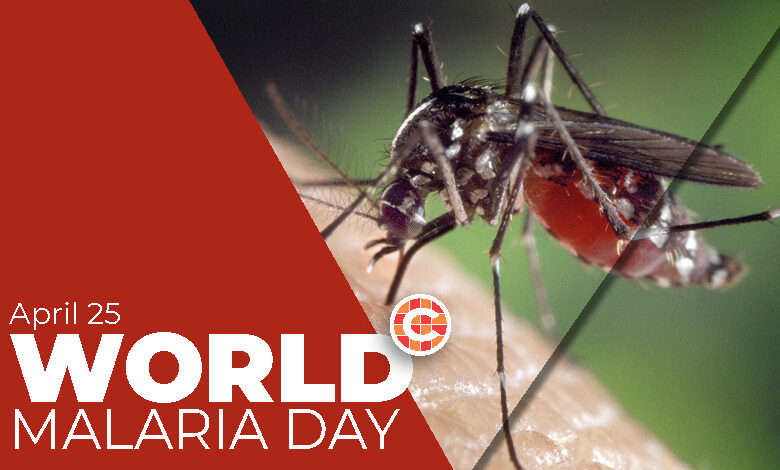
With raging wars and a recent global pandemic that grabbed the world’s attention, there remains a silent killer in the background that still claims hundreds of thousands of lives on the African continent yearly.
Malaria remains a deadly disease with millions of people affected, and its victims are often children under the age of five.
According to the World Health Organization, in 2021, nearly half of the world’s population was at risk of malaria. There were nearly 247m cases reported that year and an estimated 619 000 malaria deaths. Africa has the highest malaria rate, accounting for 95% of global malaria cases and 96% of malaria deaths. Tragically, children under five account for 80% of malaria deaths in Africa.
With World Malaria Day today, the focus is on what can be done to eradicate this life-threatening disease and minimise its ravaging consequences. Malaria typically thrives in warmer regions and tropical and subtropical countries, with Nigeria, the Democratic Republic of the Congo, Tanzania, and Nigeria accounting for just over half of all malaria deaths worldwide.
Climate change could help malaria spread
In South Africa, malaria most often occurs in Limpopo, KZN, and Mpumalanga, with Limpopo reporting 62% of local cases and KZN 6%. The National Institute for Communicable Diseases (NICD) reports that SA has between 10 000 and 30 000 notified malaria cases each year, with some experts fearing climate change could spread the disease further afield.
While more studies need to be done to understand the impact of climate change on the spread of the disease, its effect on mosquitoes is clear. Mosquitoes, including the kind that spreads malaria, typically breed in warm, wet environments. Over the past few decades, annual temperatures in South Africa have been on the rise—faster than the global average—with the most extreme increases being in Limpopo. Such warmer weather means that the kind of mosquito that spreads malaria can develop faster, which could potentially impact malaria transmission and cause an uptick in the disease.
Coupled with this is the fact that escalated rainfall could increase the amount of stagnant and temporary bodies of water, creating more breeding areas for mosquitoes. Higher rainfall is typically associated with a rise in malaria, with research in Limpopo showing that heavy spring rains are usually related to higher malaria case numbers in the summer. Worryingly, the NICD, a South African body that monitors outbreaks, conducts research, and communicates information and updates on communicable diseases, states that one of the biggest threats to eliminating and eradicating malaria is the emergence and spread of insecticide, diagnostic, and drug resistance.
Help the fight against malaria
The National Department of Health, through its Malaria Control Programme, has taken great strides in drastically reducing malaria cases in SA. However, certain challenges remain, like the fact that malaria incidence in SA is strongly affected by the number of imported cases from neighbouring countries. From January to September 2022, Gauteng recorded 1 103 cases, with most from Mozambique, followed by Malawi, Zimbabwe, and Ethiopia.
As deadly as malaria is, it is a preventable and curable disease. Recognising that knowledge about the disease is the first line of defence, organisations like Goodbye Malaria are fighting the disease head-on in SA through initiatives like an indoor residual spray programme and mobile clinics. Goodbye Malaria is supported by a non-profit organisation, Relate Bracelets, which raises funds for them by selling themed bracelets.
According to brand consultant Dalit Shekel at Relate Bracelets, if you are travelling to malaria-risk areas, take steps to protect yourself.
“Wear a long-sleeved shirt, long pants, and a hat as protection, and apply insect repellent to any exposed skin. If you aren’t staying in a screened or air-conditioned room, try to take a portable mosquito net with you.
“Know what malaria symptoms are, such as fever, chills, a headache, and other flu-like symptoms, and seek medical treatment if you suspect you may have contracted it. By taking preventative measures, we can all play our part individually to eliminate the spread of malaria,” she says.
To help South Africa fight malaria, the next time you visit a store, check if they have a relate bracelet that supports Goodbye Malaria. The simple act of purchasing a bracelet saves lives. It makes you a link in the many helping hands aiming to curb and eventually eradicate this killer disease.
- The NICD said in a newsletter today that it focusses on the efforts by the Centre for Emerging Zoonotic and Parasitic Diseases to support the elimination and prevention of malaria transmission in South Africa.
“With reference to the Country’s Malaria Elimination Plan, and in response to the World Malaria Day 2023 global theme “Time to deliver zero malaria: invest, innovate, implement”, the Centre drives the following initiatives: regular field surveillance, laboratory support, training and technical advice to the country’s provincial malaria control programmes, introducing new techniques for identifying drug-resistant malaria parasites and for controlling vector mosquitoes (such as the use of the sterile insect technique), and using suitable methods to provide accurate diagnoses of the disease in endemic areas.”
Read original story on springsadvertiser.co.za

