
Mpumalanga floods: R3.5b needed for repairs as death toll reaches 20
Repair costs from recent floods in Mpumalanga have surged beyond R3.5b, with government confirming 20 fatalities and extensive infrastructure damage.
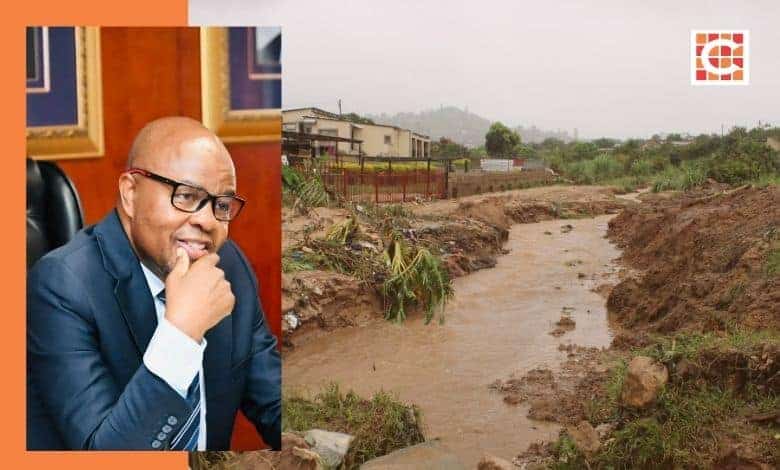
During an urgent meeting on Wednesday, the Mpumalanga Government Executive Council estimated that repairing and restoring infrastructure damaged by recent heavy rainfall would exceed R3.5b.
According to Mpumalanga News, this represents an additional R1.5b on top of the R2b announced late last week, when Premier Mandla Ndlovu and Minister for Co-operative Governance and Traditional Affairs Velenkosi Hlabisa visited Msholozi.
The council, led by Ndlovu, emphasised the need to strengthen disaster management teams to provide immediate support, including evacuations, temporary shelter and humanitarian relief to affected families during disasters.
Climate strategy under review
Ndlovu indicated the need for the province to review its Climate Change Strategy and ensure implementation to improve both preventative and reactive measures, while strengthening the co-ordination of government and stakeholder actions during disasters.
The council also urged implementing agents and service providers to exercise the highest level of accountability and ensure value for money in all interventions supporting government’s efforts to rebuild infrastructure.
During the meeting, a report on the state of disaster in Mpumalanga was outlined.
Death toll and housing damage confirmed
Mpumalanga has recorded a total of 20 fatalities, comprising 18 drownings, one lightning-related death and one fatality resulting from a structural wall collapse. All bodies have been recovered.
Ehlanzeni District Municipality experienced the greatest impact, with a total of 1 808 houses affected by the disaster.
Kruger infrastructure damage runs into hundreds of millions
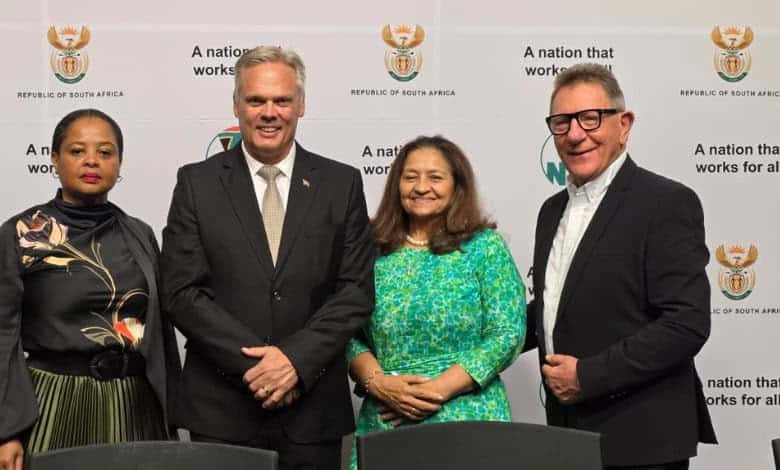
After a brief postponement of a briefing scheduled for Wednesday, Minister of Forestry, Fisheries and the Environment Willie Aucamp shared the latest updates on the Kruger Relief Fund in parliament during a media briefing.
According to Lowvelder, he welcomed the National Disaster Management Centre’s classification of the region as a natural disaster zone, noting that damage to critical infrastructure in the Kruger National Park alone was so extensive that SANParks estimates the cost could run into hundreds of millions of rand, although no lives were lost.
“It is also important to note that the Kruger National Park is increasingly a ‘natural disaster nodal point’ due to the confluence of hydrological networks, tourism infrastructure density and transboundary climatic influence,” Aucamp added.
Kruger Recovery Fund plans
The Kruger Recovery Fund will be administered through three audit firms on SANParks’ panel, with funds earmarked for resilience-enhancing infrastructure reconstruction in the park.
Only two funds, the SANParks Kruger Recovery Fund and the Honorary Rangers’ Kruger Flood 2026 Fund, are authorised to receive donations for recovery efforts. The public and donors have been warned of the risk of fraudulent fundraising schemes and are urged to donate only through these sanctioned channels.
Northern Kruger access severely restricted
Several roads and bridges in the northern Kruger (Nxanatseni Region) remain closed due to flood damage, including access routes to Sirheni, Mopani and Tsendzeleka. The Letaba–Mopani (H1-4) route has been washed away.
Tshokwane Picnic Site, Satara Rest Camp and surrounding northern areas are currently inaccessible. All tourism camps in the northern region are closed, including Punda Maria, Shingwedzi, Mopani, Letaba, Olifants and Balule.
Southern Kruger camps and roads closed
In the southern Kruger (Marula Region), key roads have been closed due to washed-away bypasses and drainage structures, including routes between Skukuza, Lower Sabie, Phabeni and Afsaal.
Crocodile Bridge, Lower Sabie, Mbiyamiti, Satara and Talamati camps are closed. Gravel roads will be assessed once access is restored.
Gate access and donation appeal
The northern and southern regions of the park remain cut off from each other. Malelane, Numbi and Paul Kruger gates remain open, with an entry quota system in place.
Aucamp concluded by inviting all South Africans to contribute to the Kruger Recovery Fund to help save the country’s flagship conservation area.
“As Kruger National Park celebrates its centenary this year, it is important to work to ensure that many generations after us will have the same pleasure and privilege to catch a pride of lions feasting on an afternoon catch at sunset, witness the sky-high giraffes reaching tree heights we can only dream of, while herds of rhinos roll around in cooling mud baths around the park.”
Breaking news at your fingertips… Follow Caxton Network News on Facebook and join our WhatsApp channel.
Nuus wat saakmaak. Volg Caxton Netwerk-nuus op Facebook en sluit aan by ons WhatsApp-kanaal.
Read original story on www.citizen.co.za

