
National Consumer Commission to investigate 9 sanitary pad suppliers
A probe has been launched into the presence of harmful endocrine-disrupting chemicals in sanitary pads and pantyliners, following a university study linking them to health complications.
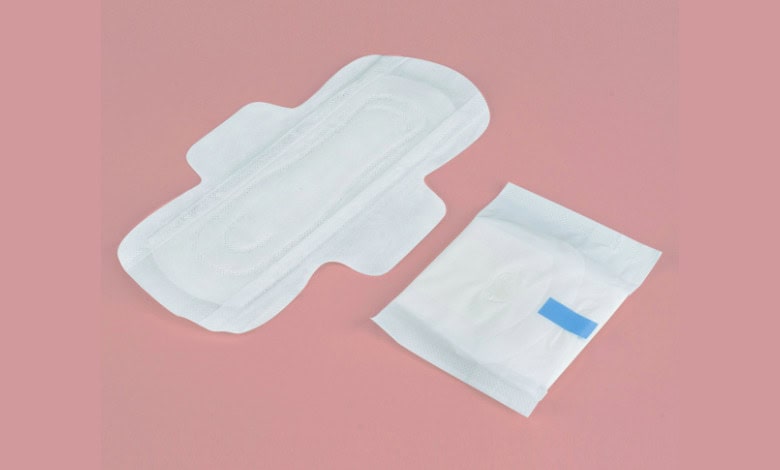
The National Consumer Commission (NCC) has initiated its own investigation into nine sanitary pad suppliers.
This follows a study conducted by the University of the Free State (UFS), titled The presence of Endocrine Disrupting Chemicals in sanitary pads: A study done in South Africa.
The Witness reports that the research was conducted by PhD candidate Janine Blignaut, Dr Gabre Kemp from the department of microbiology and biochemistry, and Professors Elizabeth Erasmus, Deon Visser and Marietjie Schutte-Smith from the department of chemistry.
The study found that certain sanitary pads and pantyliners may contain harmful endocrine-disrupting chemicals (EDCs), including parabens, phthalates and bisphenols.
Findings showed widespread contamination
Bisphenols were detected in 100% of sanitary pads and 75% of pantyliners, while parabens were found in more than 81% of pads and 75% of liners. Phthalates were present in all pantyliners tested and in 50% of sanitary pads.
These EDCs are linked to health complications such as hormonal imbalance, infertility, endometriosis and cancer.
However, the researchers noted that these substances are not always added intentionally, but may migrate into products from plastics, adhesives and manufacturing processes.
“Our study highlights a concerning reality regarding the safety of menstrual products,” said UFS chemistry department head Deon Visser in a statement.
“Many sanitary pads and liners contain hormone-disrupting chemicals, even when they are marketed as being ‘free from harmful chemicals’.”
Investigation into sanitary pads
The NCC has initiated an investigation against the suppliers whose products were apparently tested in the study.
“The investigation aims to review and assess the suppliers’ compliance with the provisions of the Consumer Protection Act 68 of 2008 (CPA), in particular sections 55 and 24,” read a statement from the NCC.
“The CPA states that consumers have the right to receive goods that are reasonably suitable for their intended purposes. Consumers also have the right to goods that are of good quality and in good working order. The goods must be free of defects and usable and durable for a reasonable time.”
The NCC has also called on the concerned suppliers to conduct tests on the affected products or to provide the latest laboratory results for EDC testing.
“Once the NCC receives the results, these will be assessed to determine whether product recall provisions in terms of section 60 of the CPA should be invoked.
“The affected suppliers will be afforded an opportunity to respond to the concerns as part of the investigation before the NCC makes a determination on the matter.”
Breaking news at your fingertips… Follow Caxton Network News on Facebook and join our WhatsApp channel.
Nuus wat saakmaak. Volg Caxton Netwerk-nuus op Facebook en sluit aan by ons WhatsApp-kanaal.
Read original story on witness.co.za

