
Network aims to put an end to cycle of violence, brokenness
The South African Parenting Programme Implementers Network wants to bring change in the parent/child landscape - starting with a families indaba.
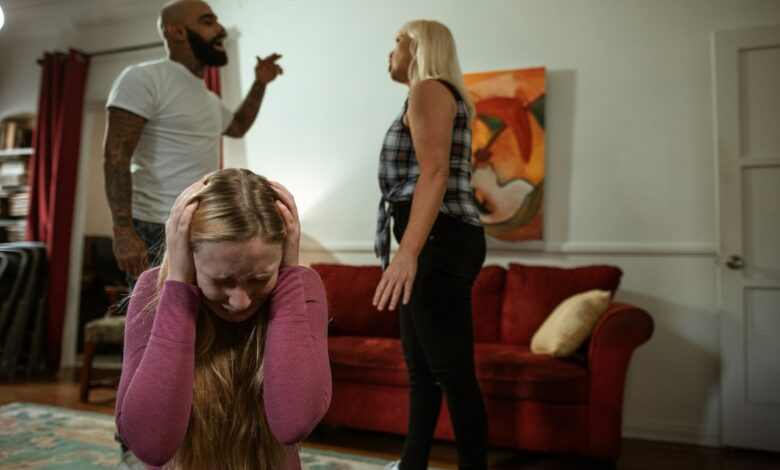
Crimes against women and children are on the up, as made evident by the latest crime statistics.
From April to June 2022, of the 6 424 people killed in South Africa, 855 were women and 243 were children under the age of 17. The murder of children is up by 46.4%.
The CEO of South African Parenting Programme Implementers Network (Sappin), Kaathima Ebrahim, believes violent behaviour in adolescence and adulthood has its roots in early childhood.
She spoke at the launch of the network, held in Johannesburg last week, and explains Sappin wants to unite the civil society organisations that implement or work with parenting programmes.
“South Africa has many broken families and over time, this brokenness has a direct impact on our society – one of the most obvious ways we see this manifest is through violence. Our hope is to stop the cycle of violence and brokenness and build lasting and enduring family relationships,” she says.
A collaborative approach
Ebrahim feels a collaboration is necessary as 98% of social services in the country are offered by independent NGOs, that receive little or no financial support from government.
“Parenting NGOs are chronically under-resourced and under-funded, which throttles the reach, success and sustainability of their vital community-based work,” she says.
An independent psychologist affiliated with Sappin member Ububele Educational and Psychotherapy Trust, Katharine Frost adds: “While many interventions are available, NGOs continue to work separately, instead of together where they could have the greatest impact.”
The network’s focus area
Ebrahim says their focus is on implementation, research, fundraising, communication and advocacy.
“We assists those involved in parenting interventions with organisation, co-ordination and the creation of a more formalised voice for the parenting sector,” she adds.
Frost explains: “Sappin investigates how various programmes are implemented in different settings, but following the same principles, so as to co-ordinate these and integrate best practices.”
Sappin’s members make a difference
According to Ebrahim, successes by their network of member organisations are evident in the past year.
“They directly supported almost 20 000 families with parenting programmes and reached over three million parents through information and awareness, including workplace interventions.”
Sappin wants to advocate for policy change in the parent/child landscape and co-develop, research and implement new parenting programmes and models for dissemination to relevant stakeholders.
“Sustainability has long been a challenge and we intend to ensure that quality parenting programmes – and a wider range of interventions – are consistently available across the country.”
Parents’ roles
Ebrahim feels parents desperately need support, but don’t join parenting programmes.
Johannesburg Child Welfare child abuse treatment and training services manager Sebolelo Tseeke says there is no such thing as a bad parent.
“There are only parents who are influenced by fear and a lack of interpretation of cultural rights and wrongs. Positive parenting will be brought to the fore.”
The network wants to change perceptions around, and attitudes towards, the importance of parenting for SA families, and Ebrahim adds that they are well aware of the cultural nuances inherent in parenting.
Tseeke says: “If we take a step back and consider where we are as a country, supporting parents and families has a direct impact on the future of South Africa.” Frost adds: “Many people have been working on this in many different ways but, via Sappin, with a proper network and proper support, we can make a real change in our society.”
Join the inaugural families indaba
Set to take place at Victoria Yards in Lorentzville, Johannesburg, the indaba seeks to set the tone for the future of the families sector in society.
“Our intention is to strengthen policy, spark collaboration and reinforce research and advocacy activities around the role that quality, evidence-based parenting programmes play in creating a better future for all,” Ebrahim adds.
The indaba will be hosted on October 26 and 27. Visit their website for more information.
Read original story on lowvelder.co.za

