
New Tshwane township delayed
According to the Tshwane metro the site could not be developed because the township establishment application and a general plan have not yet been approved due to a number of objections
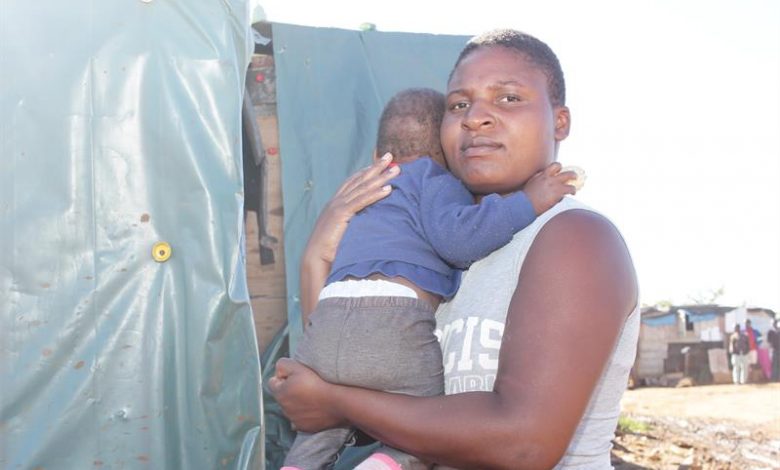
Objections by residents have brought the construction of a new formal township in the east of Pretoria, intended to house people from the nearby Plastic and Cemetery View informal settlements, to a halt – for now.
The site could not be developed because the township establishment application and a general plan have not yet been approved due to these objections, according to the Tshwane metro.
Even though metro spokesperson Selby Bokaba would not elaborate on the objections, he said the Covid-19 national lockdown slowed the process down even more.
“In the event that objections can be resolved, it is anticipated that township establishment approval will be obtained towards the middle of next year. Thereafter, physical development on site could possibly commence later in 2021. This would be subject to availability of funding,” Bokaba said.
There is currently no budget allocated for the services in the area.

The planned Pretorius Park extension 40 township would house people from the two informal settlements after the Pretoria high court ordered the metro in 2019 to relocate or regulate these settlements.
Indications are, however, that most Plastic View residents will remain at the settlement because they are foreign nationals and thus do not qualify for government housing aid in terms of the Housing Act, Act 107 of 1997.
Out of the 853 recorded families currently living at Plastic, only 151 families qualify to move to the planned township.
“The metro will in future in consultation with relevant role players and government departments, particularly the home affairs department, look into amicable means of addressing this issue,” said Bokaba.

The high court also ordered the metro to provide the two informal settlements’ inhabitants with water and sanitation as well as waste collection.
It was also told to maintain the boundary fences around the two informal settlements to prevent more people from squatting there.
“The metro was aware of the increase, not only at this informal settlement, but also in other areas. Our land invasion unit is monitoring further land invasions to avoid further increases,” Bokaba said.
The Community Caring Forum, however, accused the metro of not adhering to many of the court orders, which led to more people occupying the area.
“I made a suggestion with regards to the fencing and am still awaiting the metro’s response,” said Deirdré van Helsdingen of the organisation.
“We need a double fence with a deep trench in-between. People at the informal settlements break the fence down to make short cuts.
“If there is such a trench, then the camp cannot expand and the fence will not be broken.”
Van Helsdingen said there was poor access control.

“We do not have an accurate figure of how many people are there now because there is no access control. None of the by-laws on how to manage an informal settlement are being complied to.
“This led to the camp expanding from 800 people to about 16 000, which is unacceptable.”
Van Helsdingen said she has on several occasions sent emails to Tshwane reporting some of the issues and offering solutions with no response.
Bokaba said the metro’s human settlement planning unit will check whether they received a communique from the forum and the supposed reason for the delay.

Read original story on rekordeast.co.za

