
Pretoria hospitals face crisis: Thousands of patients contract infections
Patients in public hospitals contracted hospital-acquired infections last year, amid shortages of staff, linen, and hygiene supplies.
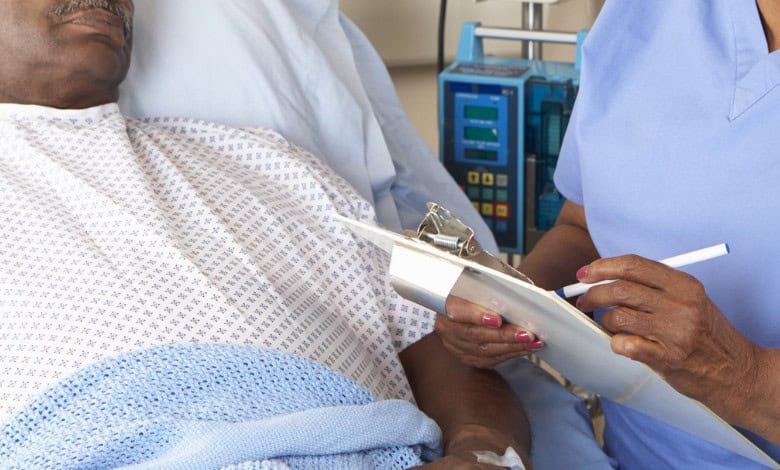
Pretoria’s major public hospitals are facing a deepening health crisis as thousands of patients contracted hospital-acquired infections last year, with some facilities recording infection rates as high as 6%. Kalafong, Mamelodi and Pretoria West hospitals are among those struggling with shortages of linen, staff and basic hygiene supplies — conditions that health experts warn are putting patients’ lives at risk.
According to Pretoria Rekord, the Gauteng Health Department has acknowledged the crisis and says it has intensified efforts to curb hospital-acquired infections.
Department’s response
A dedicated Infection Prevention and Control (IPC) committee now oversees compliance at hospitals, with monthly reviews and follow-ups at underperforming facilities.
MEC for Health and Wellness Nomantu Nkomo-Ralehoko confirmed that six hospitals had been flagged during assessments, with enforcement letters issued to their CEOs and Quality Improvement Plans put in place.
The department has also rolled out a province-wide Hospital-Associated Infections (HAI) surveillance system, while specialist teams monitor antibiotic use to prevent the spread of drug-resistant infections.
Spokesperson Motalatale Modiba said additionally, the department’s IPC Unit has developed and implemented a Hospital Associated Infections (HAI) surveillance system across hospitals in the province.
“IPC practitioners conduct daily, weekly, and monthly surveillance activities to monitor infection trends and identify microorganisms responsible for HAIs.
“Immediate control measures are enacted as necessary to prevent further transmission and potential outbreaks, with alert situations promptly reported to facility management and escalated to the Provincial IPC and Quality Assurance directorate for timely intervention.”
DA raises concerns
Despite these interventions, the DA’s Gauteng Shadow MEC for Health, Dr Jack Bloom, has warned that patients remain the real victims of the crisis.
He revealed that more than 7 700 people contracted hospital-acquired infections in Gauteng last year, including many in Pretoria facilities, with some cases resistant to antibiotics and difficult to treat.
Bloom said the situation reflects ‘avoidable suffering’ caused by shortages of linen, staff and basic hygiene materials, adding that patients often endure longer hospital stays and face life-threatening complications because of poor infection control.
He said according to a written reply to his questions in the Gauteng Legislature, 7 743 patients got hospital-acquired infections last year, including many antibiotic-resistant infections that are difficult to treat and could be life-threatening.
“These are known as nosocomial infections, which develop during a hospital stay when patients get an infection other than what they were admitted for.”
Bloom added that by far the worst hospital is Charlotte Maxeke Johannesburg Hospital, where 1 473 out of 12 940 patients in 2024 got nosocomial infections (11%) – this is one in 10 of all patients.
At the Chris Hani Baragwanath Hospital, there was a 6% nosocomial infection rate – 1 796 infections out of 31 950 admissions.
Here is a breakdown of a concerning number of hospital-acquired infections, including the following:
- Edenvale Hospital – 407 (8%) out of 5 166 admissions
- Kalafong Hospital – 554 (6%) out of 8 952 admissions
- Tembisa Hospital – 596 (5%) out of 13 116 admissions
- Rahima Moosa Hospital – 217 (5%) out of 4 320 admissions
- Leratong Hospital – 365 (4%) out of 10 260 admissions
- Pholosong Hospital – 249 (4%) out of 5 796 admissions
Nosocomial infections are more likely in the higher-level hospitals because they have more complex cases with long hospital stays, do more invasive procedures, and use more antibiotics.
“I am concerned that many patients are getting infections that can be easily avoided with basic improvements like decent cleaning and adequate linen.
“Imagine the extra pain and suffering of patients who pick up infections that extends their stay in hospital and can even be life-threatening.”
Breaking news at your fingertips… Follow Caxton Network News on Facebook and join our WhatsApp channel.
Nuus wat saakmaak. Volg Caxton Netwerk-nuus op Facebook en sluit aan by ons WhatsApp-kanaal.
Read original story on www.citizen.co.za

