
South Africans lose faith in political system – research
IEC chief electoral officer Sy Mamabolo says findings in recent research will be addressed in order to get more people to vote in the 2024 elections.
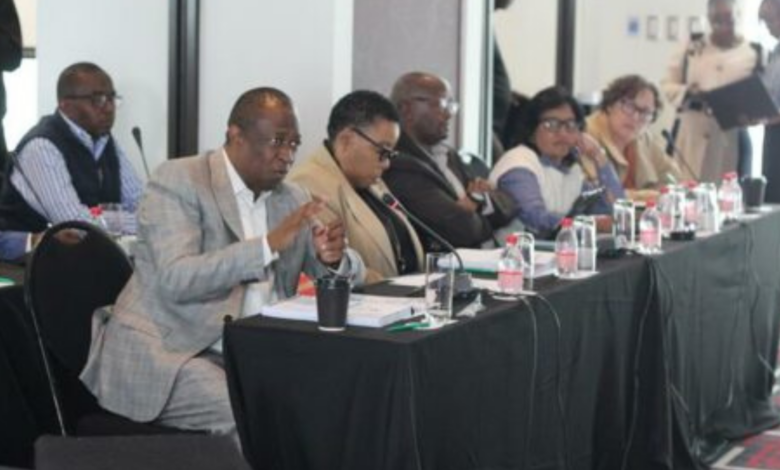
People are resigned to a belief that their circumstances will not be changed through voting.
This is one of many findings made by democracy research surveys conducted by Human Sciences Research Council (HSRC), the Afrobarometer and Citizen Surveys.
The findings were discussed by experts in Sandton recently. There, the following was revealed:
- Voter turnout is down because people are more and more distrusting of political parties and believe their votes have no power to effect change in South Africa. This is tied to the growing cost of living, unemployment, corruption, crime and political disillusionment.
- The IEC is still the second-most trusted public institution, with the courts being first. Though trust in all public institutions is decreasing.
- Approximately 92% of the voting public consider that the electoral processes were free and fair.
- 97% of South Africans have expressed satisfaction with the secrecy of their vote.
- The sense of duty people feel to vote has decreased from 86% in 2004 to 62% in 2021.
- A surprising 53% of people claim people are receiving gifts or cash to vote for a particular party.
- 46% of people believe the rich are buying elections.
Dr Ben Roberts of the HSRC and Jan Hofmeyr of Afrobarometer and the Institute for Justice and Reconciliation divulged that the main reason people do not vote is because people do not think their vote will make a difference.
Reza Omar of Citizen Surveys discussed some of the socio-economic reasons why these statistics points to how wealth is still hugely divided.
In their presentations and the question-and-answer session that followed, the three researchers explained that rather than having political disinterest, there is a growing sense of fatalism.
“A lot of South Africans believe protesting can be more effective than the act of voting to bring their message across,” Omar said.
The education system must be held accountable for this, they said, as young people come of voting age not knowing much about democracy, and believing their voice has no power.
The answer to the disillusionment in democracy can also be rectified through better training of IEC officials to ensure no issues arise at voting stations on election day.
Community groups and the media should also do more to show the public how voting does effect change, and those in power are eventually held to account.
The role of social media in perpetuating the disillusionment in democracy should also be looked at, they said.
A panel featuring four distinguished guests later spoke about the findings.
In a press release about the day, Sy Mamabolo, the chief electoral officer, said: “The commission will harness the positive elements arising from these longitudinal surveys while working with all the role players in the political system to address the negative perceptions about electoral democracy. Furthermore, identified challenges which are within the remit of the commission will be factored into the electoral programme ahead of the 2024 elections.”
The presentation can be found on the IEC website.
Read original story on midrandreporter.co.za

