
Taking a look at the harsh reality of dog fighting in Pretoria
Dog fighting is a thriving underground criminal activity in both urban and rural areas across the country.
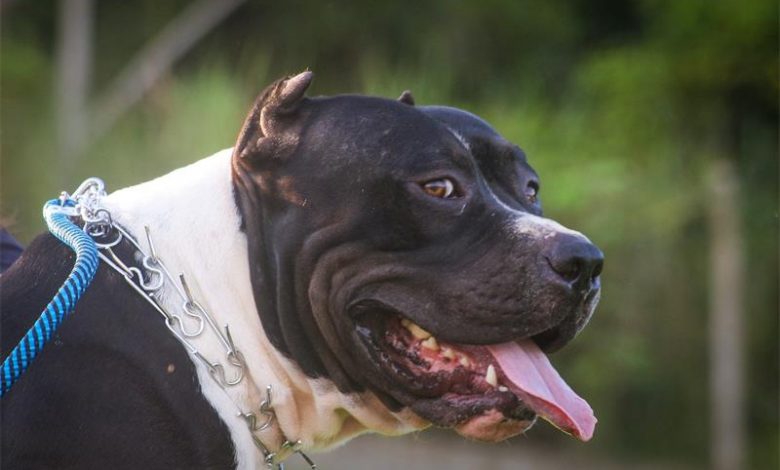
Dog fighting is one of those ugly realities that is seemingly present in most communities.
So says Wendy Willson, a senior inspector at the National Council of Societies for the Prevention of Cruelty to Animals (NSPCA), who spoke to Pretoria Rekord.
“Its presence in a community signals the future escalation of violent crime and indicates that additional linked criminal activities and control crimes are occurring. This is a serious problem,” Willson said.
“Animal abuse can be broadly divided into active and passive abuse.
“Active abuse is a premeditated act of violence against an animal while passive abuse speaks more to crimes of neglect.”
Wilson says dog fighting is an example of both active and passive animal abuse as the animal victims are both used to fight, getting severely injured, often losing their lives in the process, but then also neglected and kept in the worst of conditions.
Willson explains that acts of deliberate neglect are not based in ignorance, but in a lack of empathy and as a result of a choice to allow the animal to suffer.
“Together these abuses paint a picture of extreme disregard for the animals’ suffering and an extreme lack of empathy.”
Dog fighting is the premeditated and cruel practice of encouraging and inciting two dogs to attack and fight each other until one of the dogs is either killed or is too injured and exhausted to continue fighting.
Dog fighting is a thriving underground activity in both urban and rural areas across the country.
Willson told Pretoria Rekord that children in some communities are even exposed to dog fighting rings, as it is often passed on from members who are experienced in this crime to younger and newer members of the community.
“The organised criminal activity of dog fighting can only successfully take place within a fraternity type engagement. The fraternity consists of deviants experienced in this crime, passing on the methods for committing and rationalising the crime to new individuals in the community.
“Dog fighters have a very clear and devastating effect on younger children in a community who they actively recruit and expose to this criminal activity,” she says.
“Children participation in dog fighting activities is particularly worrying.”
Wilson says active animal abuse for entertainment combined with a young age category can lead to children becoming delinquent animal abusers.
Dog fighting or animal abuse “is the highest statistical motive for predicted future interpersonal violence with the highest correlated risk of further escalation of criminal activities and for adult criminality,” she explains.
Willson says that these dogs find themselves in a unique vulnerable situation, as they can’t talk and are abused by the very people they depend on most.
“It is of the utmost importance that both individuals and communities recognise the severity of this crime and what it heralds and blow the whistle on this illegal activity so that action be taken against the perpetrators.”
Under South African law, you may be prosecuted due to the following:
- It is a crime to be involved in any manner with the fighting of animals or to own, keep, train or breed animals used for fighting. It is also illegal to buy, sell or import these animals.
- It is a crime to incite/encourage or allow any animal to attack another animal or proceed to fight.
- You are committing a crime if you allow anyone of these activities to take place on a property you own, live on or have control of.
- It is a crime to promote animal fighting for money or entertainment.
- You are committing a crime if you rent your property or allow the property you manage to be used for animal fighting purposes.
- It is a crime to watch a dog fight. Even being a spectator at a dog fight is a criminal offence, as is being on the same property where dog fighting is taking place.
Willson says one should look out for the following signs when trying to identify a dog fighting ring:
- Pit bulls are often kept on heavy chains or confined in small areas like alleys, garages or cages.
- Residences or properties with multiple pit bulls that are unsterilised, unsocialised or unfriendly to other animals.
- Pit bulls that have evidence of repeated injuries. Dogs with multiple scars or injuries on their bodies, especially their faces, front legs, chests, hind legs, thighs and ears.
- Purpose-built fighting pits or makeshift fighting areas with blood stains on floors and walls.
- The presence of training equipment (such as slat mills, treadmills, spring poles or break sticks) or veterinary drugs or supplies and steroids.
- Frequent or regular change in dogs at a specific property. As dogs are killed, new animals are purchased or stolen.
- Groups of pit bulls being walked at unusual hours, especially late at night.
“If you suspect that dog fighting is taking place in your area, call your local SPCA or the NSPCA. As South Africa’s largest animal protection organisation we are the leaders in law enforcement relating to animal cruelty, abuse and neglect.”
The National Council of SPCAs offers a reward of up to R15 000 for information leading to the arrest and conviction of dog fighters. You can remain anonymous, and your identity will be protected.
Contact the NSPCA at specialinvestigations@nspca.co.za or 011-907-3590 or www.nspca.co.za
Read original story on rekordeast.co.za

