
The Eta Aquariid meteor shower is peaking… Here’s how to see it
Stargazers can catch up to 50 meteors per hour during the Eta Aquariid shower, peaking tomorrow morning.
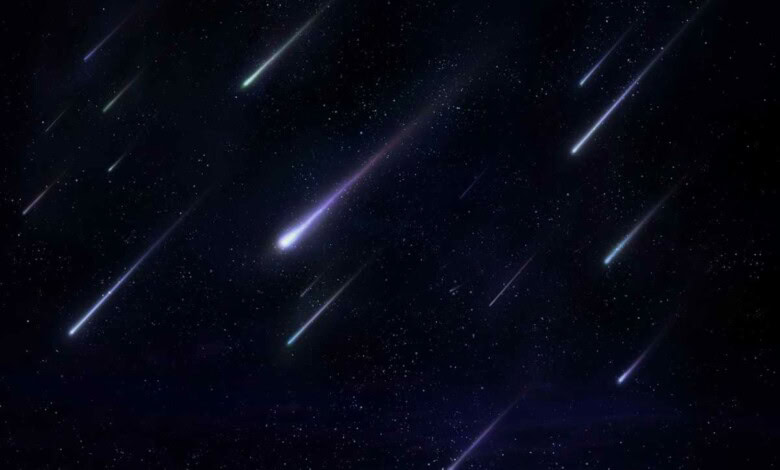
A celestial treat awaits tomorrow morning as the Eta Aquariid meteor shower, one of the year’s most dazzling displays, lights up the early morning sky, with up to 50 meteors per hour expected at its peak.
Pretoria Rekord reports that according to National Aeronautics and Space Administration (Nasa), these meteors originate from Halley’s Comet, travelling at 66km/s, creating fast, bright streaks across the sky. They peak during early May each year.
In South Africa, the best time to view the Eta Aquariid meteor shower is between 02:00 and 04:00, when the radiant in Aquarius is highest. For the best experience, head to a dark spot away from city lights, give your eyes 30 minutes to adjust and look slightly away from the radiant to see meteors streaking across the sky.
Moonlight interference will be minimal, making this a great opportunity for photographers. A wide-angle lens and long exposure settings will help capture the meteors. If the sky is clear, this could be a spectacular show.
Here is more information about the meteors:
Nasa explains that meteors come from leftover comet particles and bits from broken asteroids. When comets move around the Sun, they leave a dusty trail behind them. Every year, Earth passes through these debris trails, which allows the bits to collide with our atmosphere, where they disintegrate to create fiery and colourful streaks in the sky.
“The pieces of space debris that interact with our atmosphere to create the Eta Aquarids originate from comet 1P/Halley. Each time Halley returns to the inner solar system, its nucleus sheds a layer of ice and rock into space. The dust grains eventually become the Eta Aquarids in May and the Orionids in October if they collide with Earth’s atmosphere. Comet Halley takes about 76 years to orbit the sun once.”
Nasa said the last time comet Halley was seen by casual observers was in 1986. It will not enter the inner solar system again until 2061.
“Comet Halley was discovered in 1705 by Edmund Halley. He predicted the orbit of the comet through past observations of comets, suggesting that these sightings were in fact all the same comet. Halley is perhaps the most famous comet. It has been sighted for millennia. This comet is even featured in the Bayeux tapestry, which chronicles the Battle of Hastings in 1066.
“Comet Halley’s dimensions are 10 x 5 x 5 miles (16 x 8 x 8km). It is one of the darkest, or least reflective, objects in the solar system, with an albedo of 0.03.”
Breaking news at your fingertips… Follow Caxton Network News on Facebook and join our WhatsApp channel.
Nuus wat saakmaak. Volg Caxton Netwerk-nuus op Facebook en sluit aan by ons WhatsApp-kanaal.
Read original story on www.citizen.co.za

