
Tourists flock to KZN North Coast in search of clean beaches
The quality of water has been an issue recently, given the high levels of E.coli detected in the water at various Durban beaches.
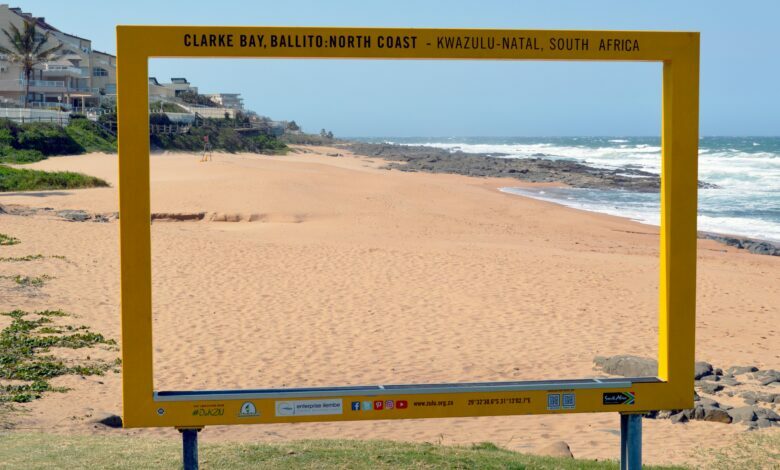
Beaches north of the Tongaat River mouth in KZN remain open, with stringent testing ensuring the safety of bathers.
High levels of E.coli were recently detected in the Salt Rock stream and on the eThekwini seaboard.
This has been particularly prevalent given the imminent onset of summer where North Coast beaches have traditionally been packed, bringing a huge boost to the local economy.
So far, North Coast beaches have largely delivered good results when tested weekly by the Ballito Urban Improvement Precinct (UIP), with no testing sites exceeding ‘ideal’ levels since August 30.
This includes Salt Rock’s main beach, where the Salt Rock stream remains dammed and does not currently reach the ocean, and therefore has not impacted the water quality.
In the most recent round of testing results on September 20, Willard Beach, Clarke Bay, Salmon Bay and the Hawkins tidal pool all proved safe for bathing.
The previous week’s tests on September 13 included the full gamut of eight beaches and four tidal pools, all of which were comfortably in the ideal range.
Limited tests are done every Tuesday, with a full set done every second week to provide a clear long-term picture of the situation.

“The data collection, delivery and testing for E.coli and other faecal bacteria is a cumbersome exercise to ensure strict quality control and assurance when reporting our results. At this point it is important to note that our testing is run independently and does not determine the municipality’s decision to open or close the beaches,” said the UIP in the release of the latest figures.
However, the situation in eThekwini remains dire with all swimming beaches between Westbrook and Umhlanga closed since September 16.
This along with 14 other beaches under eThekwini’s administration, as far south as Durban Point.
Some of these beaches had been opened on September 10, after being closed on August 22 and at different times over the previous few months.
Luckily for North Coast residents, the Agulhas Current flows south-west along the coastline, which means there is little risk of eThekwini’s ocean issues reaching their shores.
For local businesses, eThekwini’s problems also means an influx of positive tourism to Ballito and towns further north.
“We have been really happy with the bookings for October and into the holiday months. With people worried about being unable to swim in Durban and Umhlanga, it is pushing them in our direction,” said Cyberview Letting manager Inus van Schalkwyk.
This forecasts a bumper holiday season for the North Coast, after two years of disrupted tourism amid Covid-19, the riots and flooding.
Read original story on northcoastcourier.co.za

