
Tshwane EMS assists hundreds of households following heavy rains
The Tshwane emergency services has assisted hundreds of households affected by floods over the past two weeks.
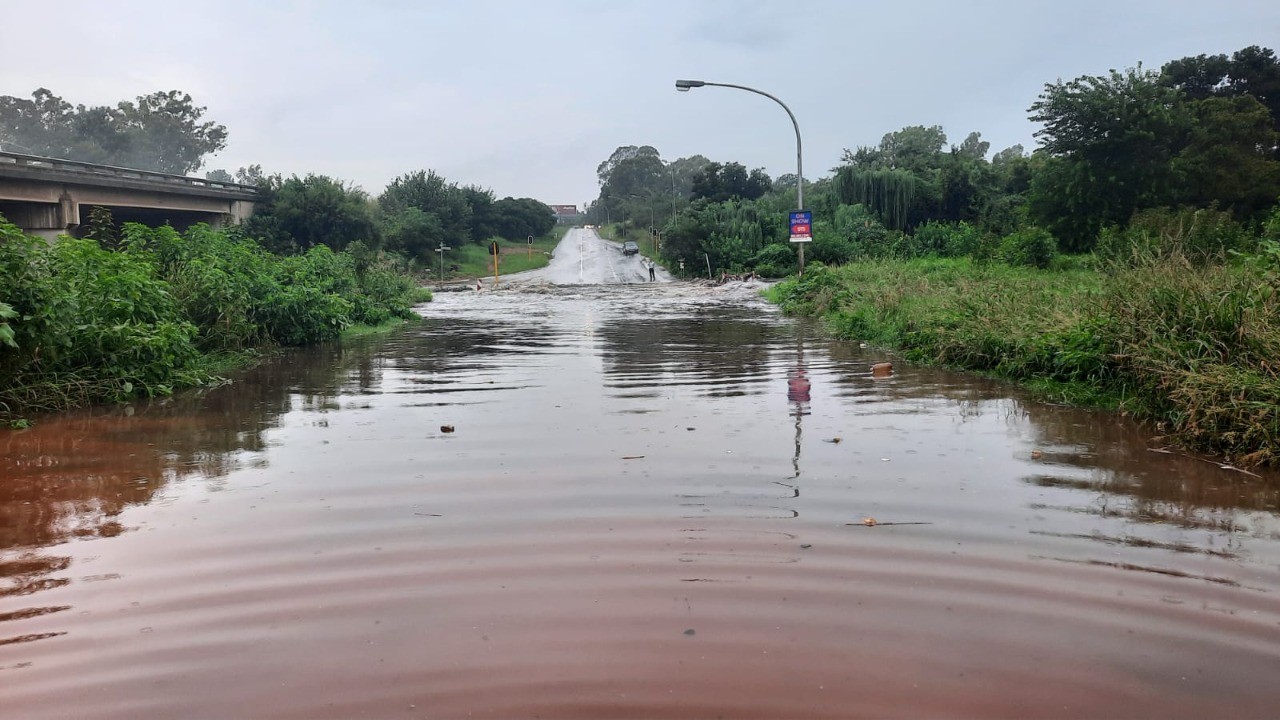
Pretoria and other parts of the country have been experiencing heavy rain fall as a result of tropical cyclone Eloise.
“Elevated water levels and localised flooding have been experienced in all seven regions of the city, leading to road closures and damage to property,” said community safety MMC Alderman Karen Meyer.
“Houses and informal dwellings have been particularly hard hit in Mamelodi, Zithobeni, Hammanskraal, Soutpan, Ga-Rankuwa and Soshanguve.”
In Mamelodi, an estimated 1 000 informal structures were flooded and two shacks collapsed.
In Soutpan, south of the Tswaing Crater, an estimated 600 houses were flooded.
“Approximately 76 households were affected by the heavy rains in Ga-Rankuwa View and Soshanguve Block KK,” Meyer said.
“Two vehicles were also trapped in Vom Hagen Street due to elevated water levels, with the city’s emergency services assisting with recovery services.”
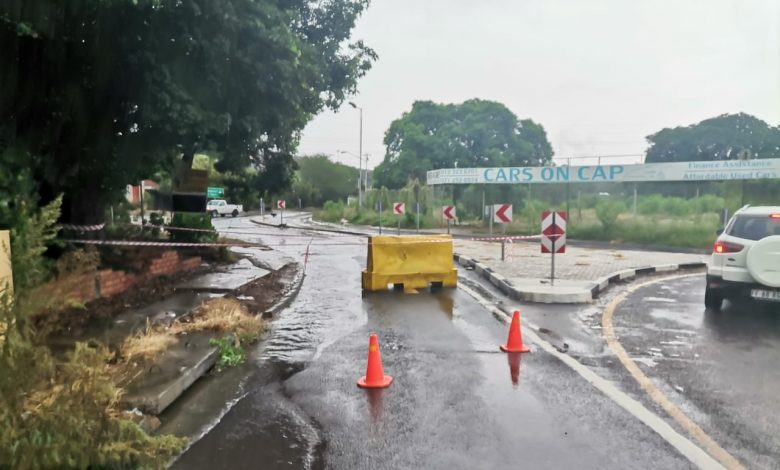
Meyer said no loss of life or serious injuries were reported.
She said the emergency services department continued to provide emergency response and relief services, while the disaster risk management centre would conduct impact assessments of affected households to coordinate relief.
“Affected households have been assisted with clearing water from properties, blankets and mattresses, food parcels and, in some cases, residents have been relocated to temporary shelter,” she said.
“We would also like to thank the South African Red Cross Society for their contribution. At this stage, the rain is anticipated to last for the remainder of the week and even well into next week.”
Residents were reminded to contact the metro’s 24/7 toll-free emergency hotline on 107 from any landline or cellphone for fire, rescue, ambulance and disaster response services.
Meyer gave some tips for during the heavy rains:
- Stay indoors and off the roads where possible.
- Avoid crossing rivers and swollen streams where water is above your ankles.
- If trapped in a vehicle during a flood, abandon the vehicle and climb to higher ground.
- In buildings, move valuables to a safe place above the expected flood level. Switch off electricity at the supply point to the building.
- In rural areas, protect or relocate animals to a safe place on higher ground. Abandon your home immediately if evacuation is recommended, before access is cut off by flood water.
- Never drive on a road that is totally covered by water and no road surface can be seen. You do not know how deep it is or if the road has been washed away. If the vehicle stalls, leave it immediately and seek higher ground.
- Be especially cautious at night when it’s harder to recognise flood dangers.
- Listen to the radio or TV for warnings. Obey the instructions from emergency personnel and disaster management officers.
Read original story on rekordeast.co.za

