
UJ creates AR experience to bring ancient Melville Koppies furnace to life
Visitors at Museum Africa in Newtown in Johannesburg can step back 500 years to see how pre-colonial communities crafted iron tools long before the gold rush.
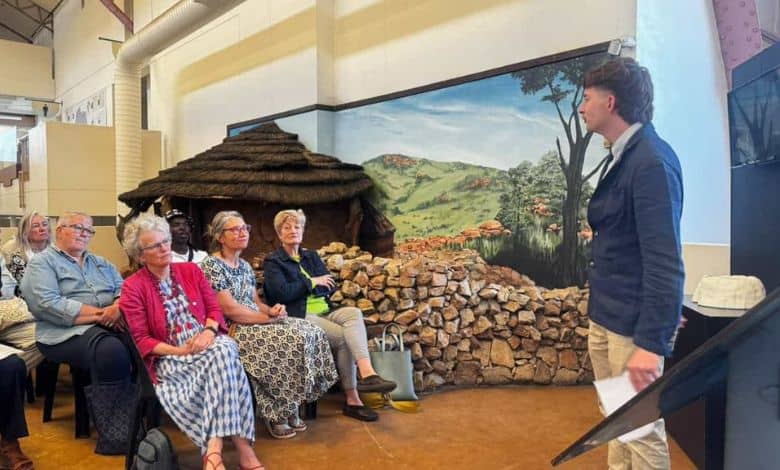
An augmented reality experience is giving visitors a glimpse of Johannesburg’s history centuries before the 1886 gold rush by bringing an ancient iron furnace at Melville Koppies to life digitally, reports Northcliff Melville Times.
Visitors to Museum Africa in Newtown experienced the reconstruction on Heritage Day (September 24). Created by the University of Johannesburg (UJ), it shows how the furnace may have looked and operated more than 500 years ago.
The furnace dates to between 1060 and 1580 and provides evidence of sophisticated iron-smelting technology used by communities who lived in the area long before Johannesburg became a mining city.
UJ’s Dr Izak Potgieter, who led the reconstruction, said the people associated with the furnace are understood to be ancestors of present-day Sesotho and Setswana-speaking communities.
Generations of knowledge
The furnace provides evidence of sophisticated technological knowledge and a collaborative approach to producing iron implements.
“It took 16 hours of work to produce a single implement,” Potgieter said, explaining that the process relied on generations of accumulated knowledge passed down through apprenticeships between skilled elders and younger members of the community.
The work was also closely connected to the wider community and its environment.
“It was a full community effort,” he said, describing how different people contributed to the production process and decisions about which implements were needed.
For Potgieter, this history is important because Johannesburg’s origins are often framed around its establishment as a gold-mining town in 1886.
“The gold-mining town was certainly founded then, but there was continuous occupation, as we said, tens of thousands of years into the past,” he said.
He said the furnace helps bring these overlooked chapters into the broader history of Johannesburg.
Reconstructing the past
Creating the AR experience required researchers to determine how the surviving structure may have functioned.
UJ worked with historians, archaeologists, architectural heritage specialists, the Friends of Melville Koppies Committee and other contributors to develop a plausible reconstruction based on the available evidence.
“An archaeologist’s favourite words are, ‘we simply don’t know’,” Potgieter said, describing how experts from different fields worked together to determine how the furnace could plausibly have operated.
The digital reconstruction allows visitors to see the furnace in operation, including flames and the production of iron implements.
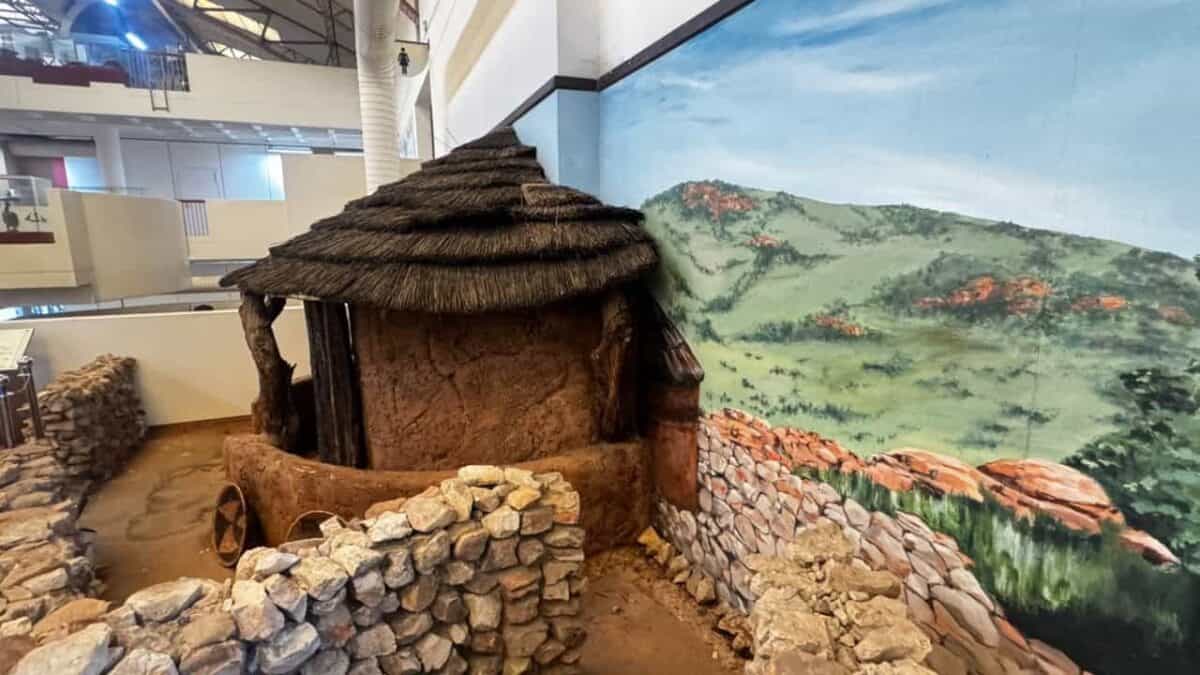
Potgieter hopes the experience will challenge perceptions of pre-colonial African technology as primitive.
“There was a lot of skill involved. It was a lot more deliberate than I think people give credit for,” he said.
A different view of Joburg’s past
For Potgieter, the value of the experience goes beyond seeing an ancient furnace reconstructed. It also helps connect present-day Johannesburg residents with a history that predates the city’s mining origins.
“I’ve lived in Johannesburg all my life. I’m in my 70s. I didn’t know that I was part of the story of the city,” he recalled one Setswana-speaking visitor telling him after experiencing the reconstruction in her own language.
The experience offers visitors a different way of encountering the city’s past while highlighting a history that existed long before the discovery of gold.
Breaking news at your fingertips… Follow Caxton Network News on Facebook and join our WhatsApp channel.
Nuus wat saakmaak. Volg Caxton Netwerk-nuus op Facebook en sluit aan by ons WhatsApp-kanaal.
Read original story on www.citizen.co.za

