
Vets’ vital contribution to wildlife conservation
Wildlife veterinarians not only treat wild animals but are also involved in research that is crucial to conservation. SANParks vet, Dr Lufuno Netshitavhadulu, says that working with wild animals comes with extra challenges.
Vets are involved in wildlife conservation by treating sick and injured wildlife, providing veterinary procedures to help manage species, and implementing preventative healthcare by conducting disease risk analysis and mitigating the transmission of wildlife diseases to livestock and human communities.
Little is known about certain wildlife species, making research into veterinary wildlife medicine and management critical to conservation efforts.
The University of Pretoria’s Faculty of Veterinary Science in Onderstepoort is very involved in this research through, among others, its Centre for Veterinary Wildlife Research. The centre runs several projects aimed at improving wildlife capture, chemical immobilisation and anaesthesia, translocation, rehabilitation of sick and orphaned animals, understanding wildlife diseases and their control, and mitigating the transmission of zoonotic and interspecies diseases to ensure the welfare of other animals and humans.
“Some of our more recent work in these areas include studies to improve the safety of the immobilisation and anaesthesia of rhino, lion and some antelope species, improving our understanding and control of diseases like tuberculosis,” says Chris van Blerk, spokesperson for the Faculty of Veterinary Science.
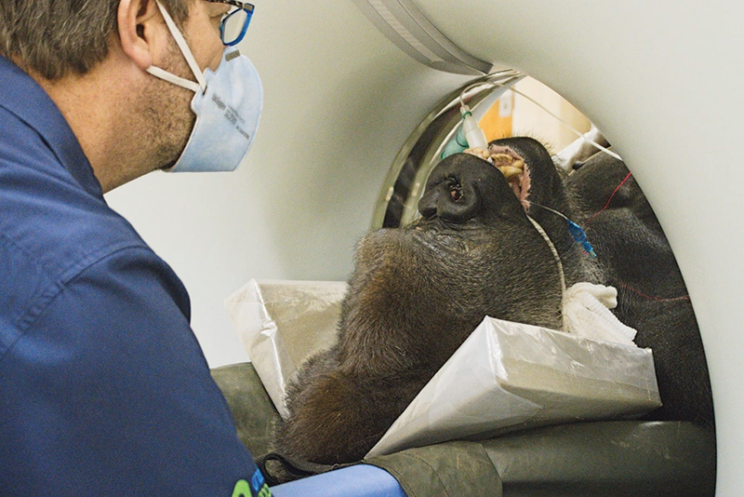
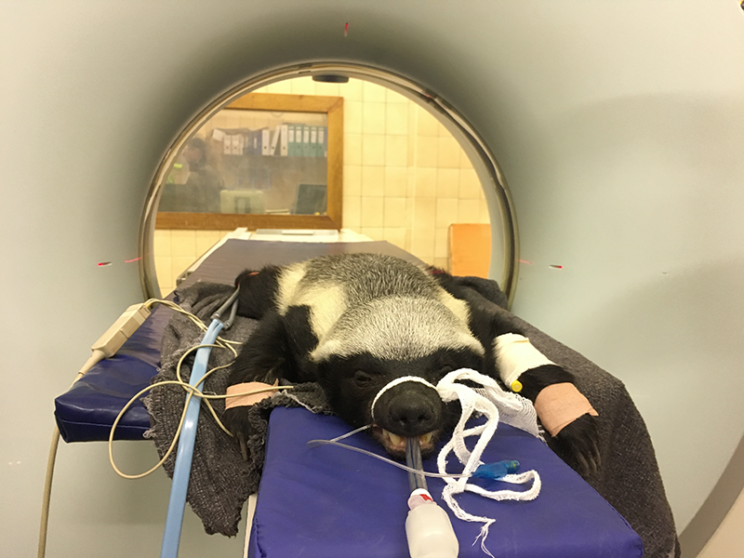
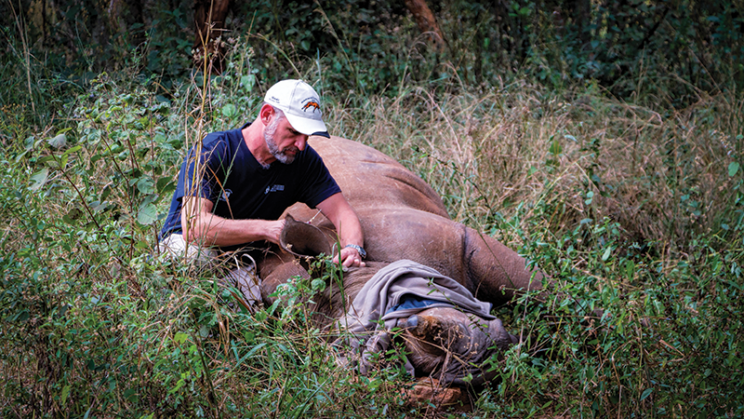
Veterinarians are also involved in the advanced medical treatment of wildlife. The faculty’s Onderstepoort Veterinary Academic Hospital recently opened a dedicated wildlife clinic, providing accommodation to wildlife patients of all types, from small carnivores to immature rhinos.
“This allows veterinarians to use the state-of-the-art equipment at the hospital, including diagnostic imaging equipment such as CT and MRI scanners, while the large variety of veterinary specialists at the faculty can now actively be involved in the treatment of wild animals, as was the case recently with gorillas, chimpanzees, rhinos and tigers,” says Van Blerk.
Lion steals wildlife vet’s patient
Watching a lion pounce on his patient is all in a day’s work for wildlife veterinarian Dr Lufuno Netshitavhadulu (34).
The vet, who is based at Skukuza in the Kruger National Park, has an unpredictable job – difficult, challenging, but never boring!
He is often called on to remove wire and cable snares from animals, but he will never forget one particularly hair-raising occasion.
“I was told about a hyena with a snare wrapped around its head, cutting into its mouth and neck. The sighting was four hours from where I was, and the chances of locating the hyena were slim.”
But he had to try and save the animal from a slow and torturous death.
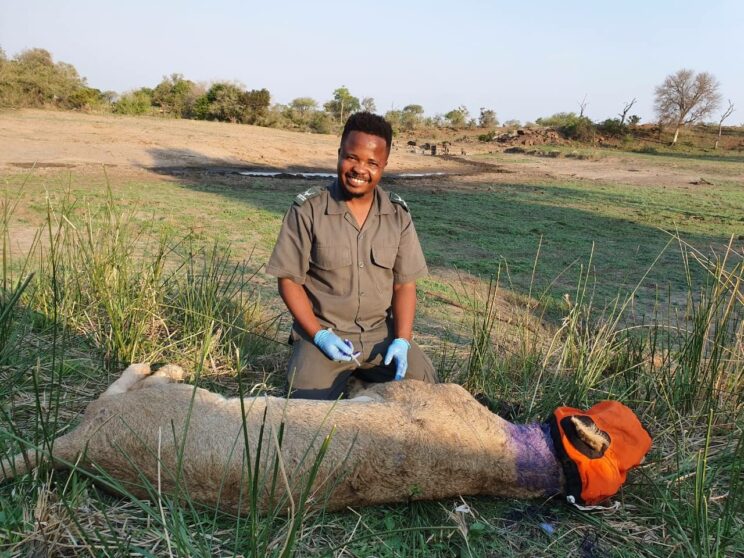
He and his team set off and when they arrived in the area – in the dark, they started calling the clan. After a few minutes, hyenas started responding to their calls and eventually, the injured animal arrived.
“A dart was nicely placed and minutes later, the animal went to sleep in a suitable open area, which afforded us good visibility.
“While we were getting out of the vehicle, one of my team members shouted: ‘Doc! Lions!’ I immediately got back inside and grabbed my spotlight. Just like in the movies, I saw this big male lion with another five lions running in the direction of the sleeping and helpless hyena.
“The big male grabbed my patient and shook him like a doll. I was shocked, thinking my patient would be killed. The only words that came out of my mouth were: ‘Voetsek! Leave my patient alone!’ I quickly drove towards the pride, scaring them off.”
Once the lions had retreated into the bushes, Netshitavhadulu rushed to get the hyena and load it into the vehicle.
“I drove to a safer place, wondering if the hyena would make it.”
Fortunately, it was still alive. The snare was removed, and the hyena’s trap wounds and new lion attack injuries were treated.
“That poor hyena was saved twice that day. First from the cable snare that was slowly stealing its life and from the jaws of a lion intent on having it for dinner.”
The role of SANParks vets
Netshitavhadulu says wildlife vets provide veterinary services to SANParks’ Veterinary Wildlife Services operations, including anaesthesia, translocation, research, treatment and welfare of wildlife species.
He says, just like other vets, wildlife vets experience long days and sleepless nights. “However, with wildlife vets, the job is very physical. It requires much travelling and a lot of time away from family.
“We work with dangerous drugs in unpredictable environments, which needs sharp and well-rested minds and bodies, but with the long hours of work and travelling, this becomes a challenge.”
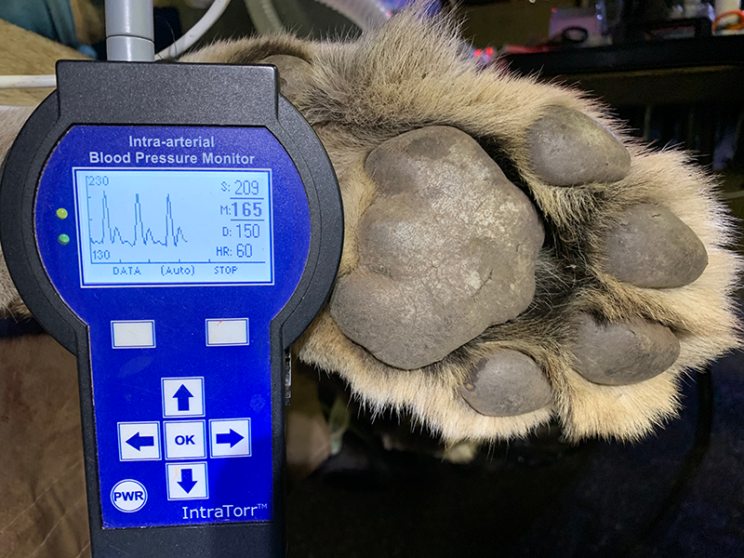
He says that unlike domesticated animals, wild animals have to be immobilised before they can be treated. This is to avoid injuries to both humans and animals, and to keep minimise the stress on the animals.
“Most of the time, the animal’s medical history is unknown, which is not ideal because certain underlying conditions make sedation dangerous.
“Successful cases make my job immensely rewarding. Knowing that you have saved or made a positive contribution to an animal’s life is priceless.”
World Veterinary Day falls on April 30 this year. The theme, set by the World Veterinary Association, is ‘Strengthening veterinary resilience’. This is an apt topic in South Africa, where a shortage of vets places strain on those in the profession. The upside is that veterinary science is a great career choice for youngsters, who will have an excellent chance of securing employment.
Read original story on witbanknews.co.za

