
Watch: 20 KZN black rhinos establish new home in Botswana
A gruelling 36-hour cross-border journey has given critically endangered black rhinos a vital lifeline. Discover how a major conservation move from KZN doubled a neighbouring country's population.
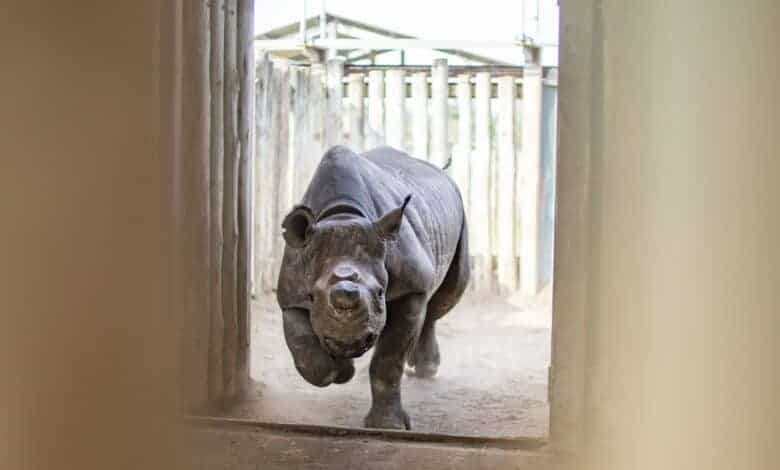
Twenty critically endangered black rhinos translocated from KZN to Botswana have safely settled into their new home, marking a major step in efforts to expand the species’ population across southern Africa.
The Witness reports that the rhinos were moved to a remote and secure location in Botswana in early September as part of the World Wide Fund for Nature’s (WWF) Black Rhino Range Expansion Programme (BRREP).
The translocation has effectively doubled Botswana’s black rhino population, with the 20 animals joining an estimated 25 black rhinos already in the country.
BRREP leader Jeff Cooke said the animals, which were captured in KZN in June and held in a boma during a quarantine period, are settling in well.
The move involved two 36-hour road trips and was only the second time BRREP has undertaken a cross-border translocation.
The first was to Liwonde National Park in Malawi in 2019.
Cooke said finding suitable land for black rhinos is becoming increasingly difficult, prompting the programme to expand its work beyond South Africa’s borders.
“In doing this, we are also helping population recovery in countries where black rhino numbers have plummeted in recent years,” he said.
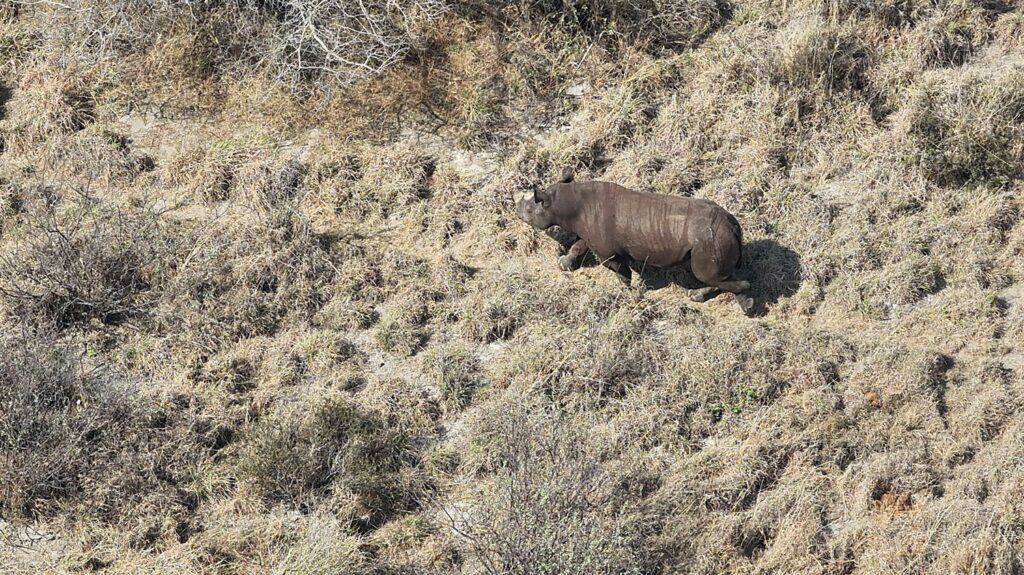
These newly translocated populations serve as incubators for the broader continental species recovery programme and will hopefully lead to further local range expansion opportunities in these fellow range states in the years to come.
WWF South Africa CEO Dr Morné du Plessis said the successful cross-border operation involved extensive collaboration.
He described it as an extremely complex undertaking and shared immense gratitude to all those involved.
“Our thanks go to the South African and Botswanan governments, Ezemvelo KZN Wildlife, our funding and donor partners and the recipient site owners, all of who have played a vital role in making this initiative a success.”
Since 2003, BRREP has established 18 new black rhino populations and moved 310 rhinos, including the latest group.
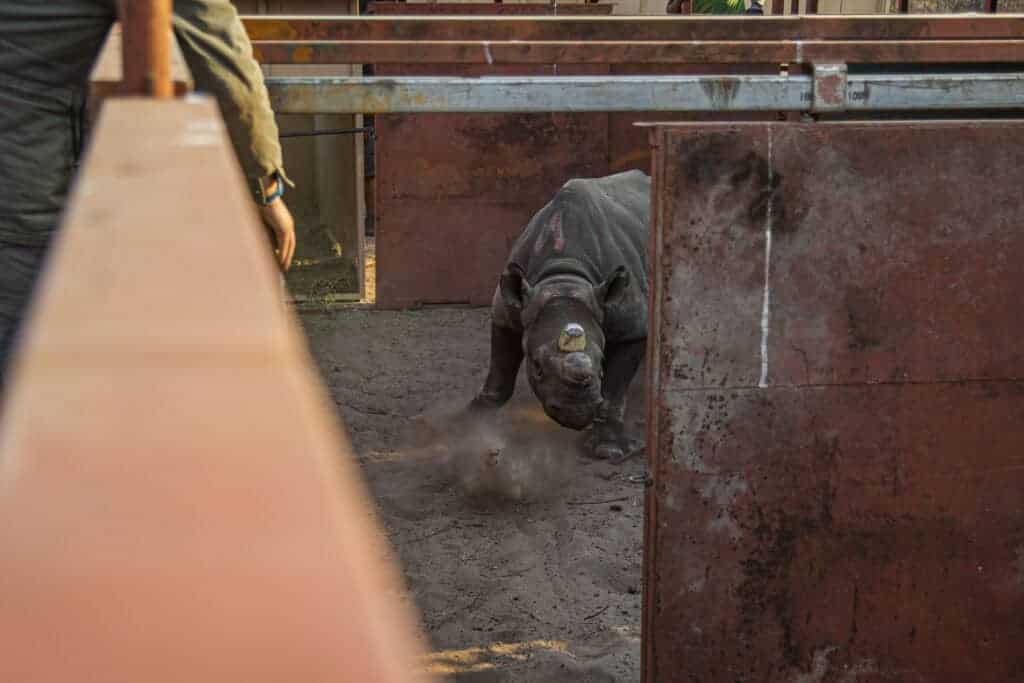
The programme identifies areas of about 20 000 hectares or more where black rhinos have suitable habitat and room to breed and expand.
Botswana has faced increasing poaching pressure in recent years, particularly in the Okavango Delta, with its black rhino population previously estimated at 25.
The latest translocation brings the country’s estimated population to about 45.
WWF said black rhino populations continue to grow through strategic partnerships and co-ordinated conservation efforts, while the newly established populations could contribute to the broader recovery of the critically endangered species.
Breaking news at your fingertips… Follow Caxton Network News on Facebook and join our WhatsApp channel.
Nuus wat saakmaak. Volg Caxton Netwerk-nuus op Facebook en sluit aan by ons WhatsApp-kanaal.
Read original story on witness.co.za