


In January, President Cyril Ramaphosa acknowledged deep-seated problems in South Africa's education system.
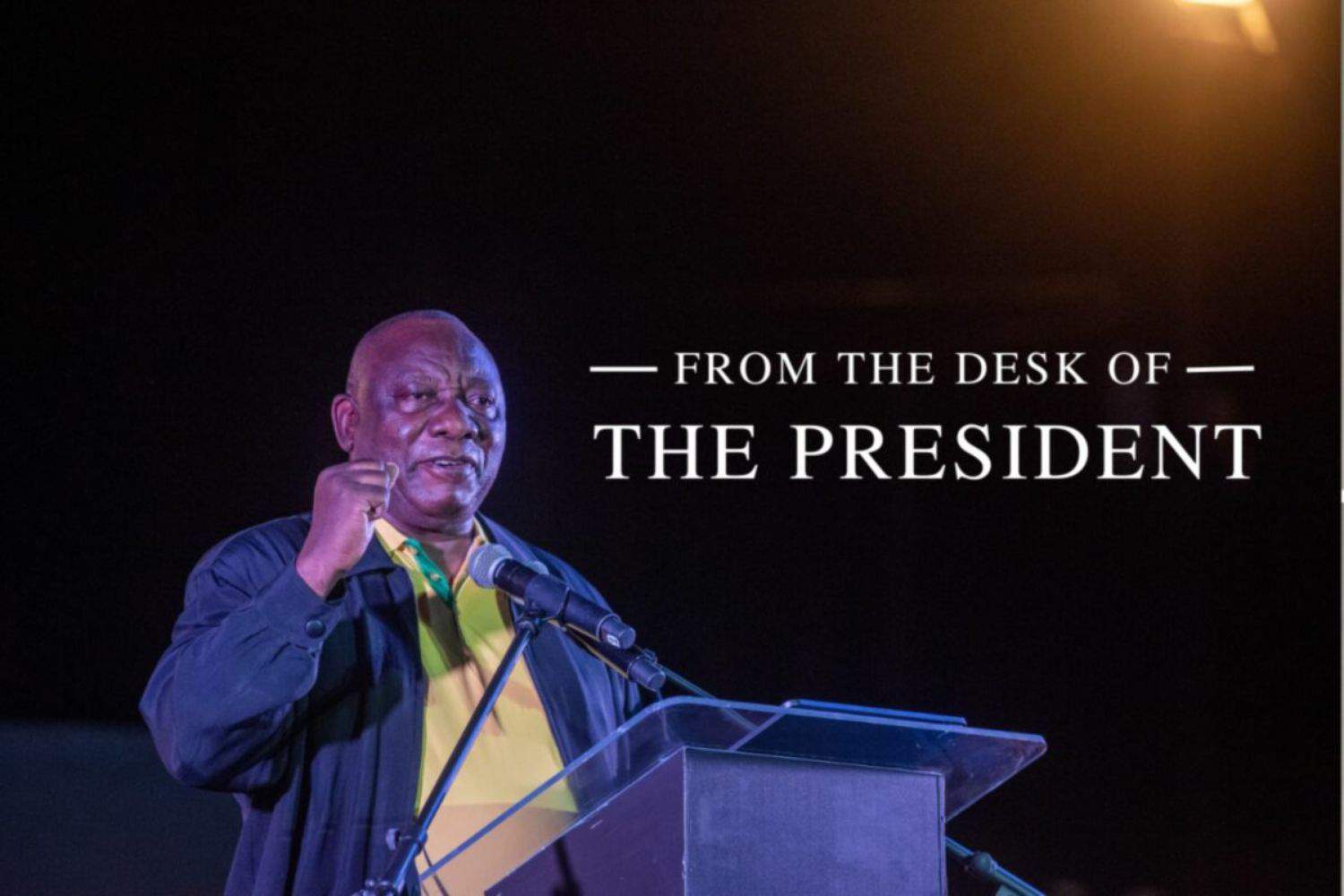
President Cyril Ramaphosa. Picture: The Presidency.


President Cyril Ramaphosa says while the country has made significant progress over the last three decades, there are still huge challenges in education.
In January, Ramaphosa acknowledged deep-seated problems in South Africa’s education system, warning that without urgent intervention, the country risks undermining its future growth and social development.
Ramaphosa outlined five critical challenges that government and society must confront, including skills shortages, hurdles to mother tongue-based education, weak early-learning foundations, high school dropout rates, and unsafe scholar transport.
Optimism
However, in his weekly newsletter on Monday, Ramaphosa offered a more optimistic outlook for the country’s education sector.
“Access to resources and quality teaching is uneven. Schools in townships and rural areas often struggle with overcrowding, and educators have limited access to professional development and support.”
ALSO READ: Ramaphosa urges peace and unity in South Sudan ahead of polls
Initiative
Ramaphosa said one of the efforts helping to fill this gap is the Basic Education Employment Initiative, which was founded in 2020 as part of the Presidential Employment Stimulus.
“The initiative deploys young people to schools as education assistants. To date, the school assistants programme has created more than 1.3 million work opportunities.
“It is the largest youth employment programme in our country’s history, giving young people their first foothold in the world of work while strengthening the foundations of learning in the schools that need it most,” Ramaphosa said.
Preparedness
Ramaphosa added that young people involved in the programme go into schools well prepared.
“General school assistants need to at least have grade nine, while education assistants need at least a matric certificate. In the most recent phase of the programme, 32% of education assistants held some form of tertiary qualification, and 14% held a teaching qualification.
“Education assistants are provided with both compulsory and optional training, including on school safety, online safety, financial literacy, word processing, AI fluency, and coding,” Ramaphosa said.
Ramaphosa said meeting the constitutional imperative to provide quality education to the country’s young is an all-of-society effort, saying, “these initiatives illustrate clearly the benefits of multisectoral cooperation between government, the private sector and civil society.”
ALSO READ: Sars a blueprint for rebuilding state institutions in the wake of state capture, Ramaphosa says
Support Local Journalism
Add The Citizen as a Preferred Source on Google and follow us on Google News to see more of our trusted reporting in Google News and Top Stories.

