



Officials urge residents to change disposal habits as blockages overwhelm the city’s network.
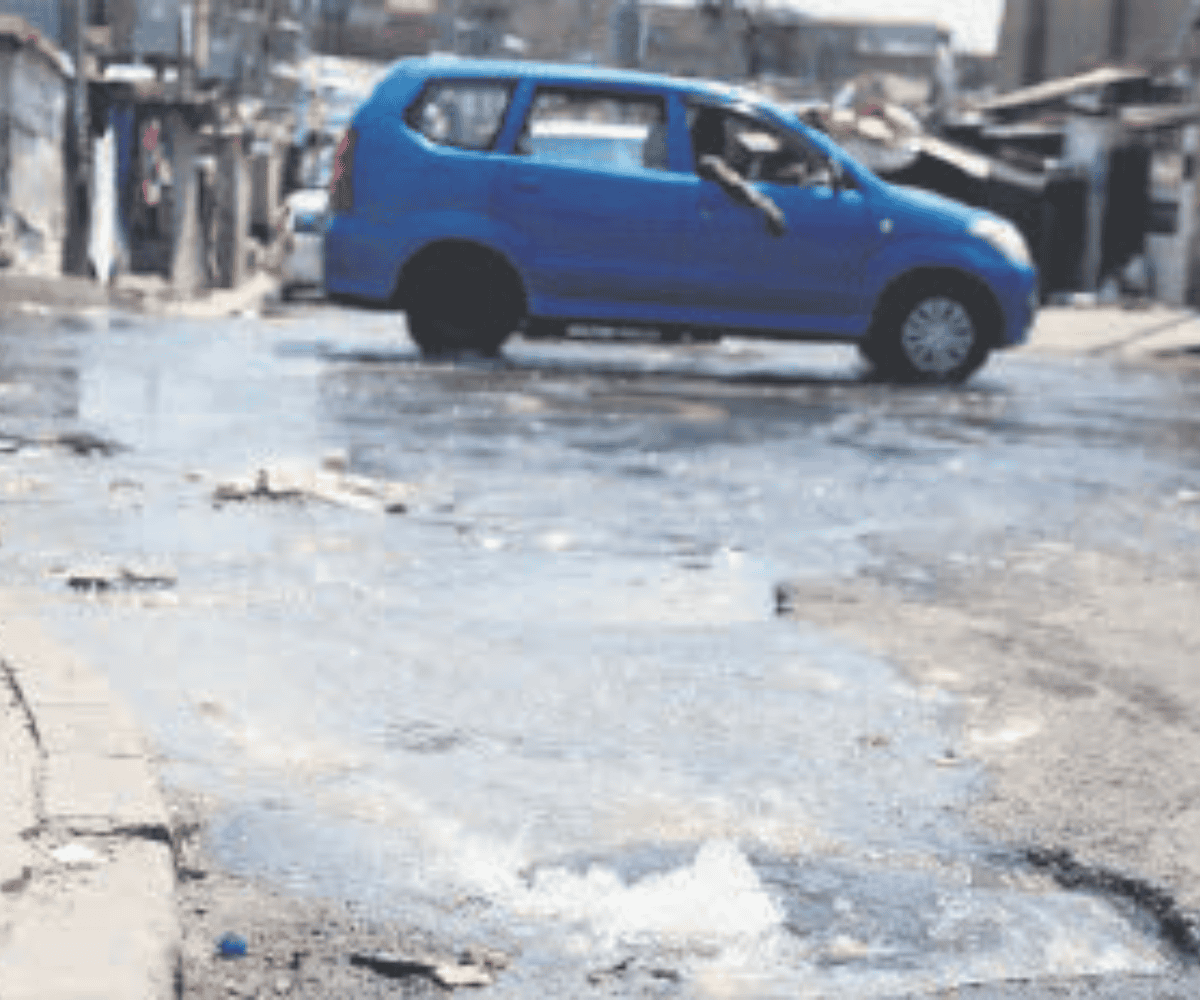
Blocked sewers are major problem for Joburg Water, which clears about 4 500 blocked pipes a month. Picture: Supplied


Every month Joburg Water (JW) clears more than 4 500 blocked drains and sewers and what they find in those blockages will make your skin crawl.
Spokesperson Nombuso Shabalala said teams routinely remove problematic items from blocked sewers, including clothing, rags, towels, hair extensions, plastic bags, stones, sand, building rubble and even toys.
“Blocked sewer pipes remain one of the major operational challenges faced by JW and in many instances, these blockages are caused by items that should never be disposed of through the sewer system,” she said.
The cost of sewer blockages
In October, JW cleared 5 278 of the reported 6 448 blocked sewers around the city.
Shabalala said these sewer blockages can result in overflows, environmental pollution, health risks, service disruptions and costly emergency repairs.
JW has 38 sewer pump stations, an 11 816km sewer network and six wastewater treatment works to serve a city with more than six million residents.
They generally clear in excess of 4 500 blockages a month. Currently, there are 152 sewer blockages per 100km of network in Johannesburg.
Joburg Water treats 1 043 million litres of sewage per day at its treatment plants. Flushable wipes, sanitary pads, nappies, fat, oil and food scraps are major culprits in blocked sewers.
How to dispose properly:
Cooking oil – wait for it to cool, pour into a milk carton and put in the bin. You can also use paper towels to soak up fat. It goes into the bin.
Shabalala said fats, oils and grease from household cooking are a significant contributor to sewer blockages.
“When poured down sinks, these substances cool and harden inside pipes, forming large obstructions that restrict flow and can lead to sewer overflows,” she said.
“Items like nappies and other sanitary products should be wrapped in paper and put into the rubbish bins. Nappies do not disintegrate and they absorb liquid, leading to blockages.
“Items like toys and building rubble do not belong in the sewer system. Contact Pikitup for the nearest rubble removal sites and recycling of toys,” Shabalala said.
“Only human waste and toilet paper should be flushed down toilets. Items such as wet wipes, including those labelled ‘flushable’, sanitary products, nappies, cotton buds, paper towels, food scraps and household waste do not break down in the sewer system and should be put in rubbish bins,” she said.
Reporting a blocked sewer:
- Phone: 011-688-1699 or 0860-562-874 (0860-JOBURG).
- Online: Log a fault via the website johannesburgwater.co.za.
- E-mail: [email protected].
This story was produced by Our City News, a non-profit newsroom that serves the people of Johannesburg.
Support Local Journalism
Add The Citizen as a Preferred Source on Google and follow us on Google News to see more of our trusted reporting in Google News and Top Stories.

