



Children's wellness facilitator Alleah Church said teaching kids how to be calm, manage emotions, and ban anxiety aids emotional development.
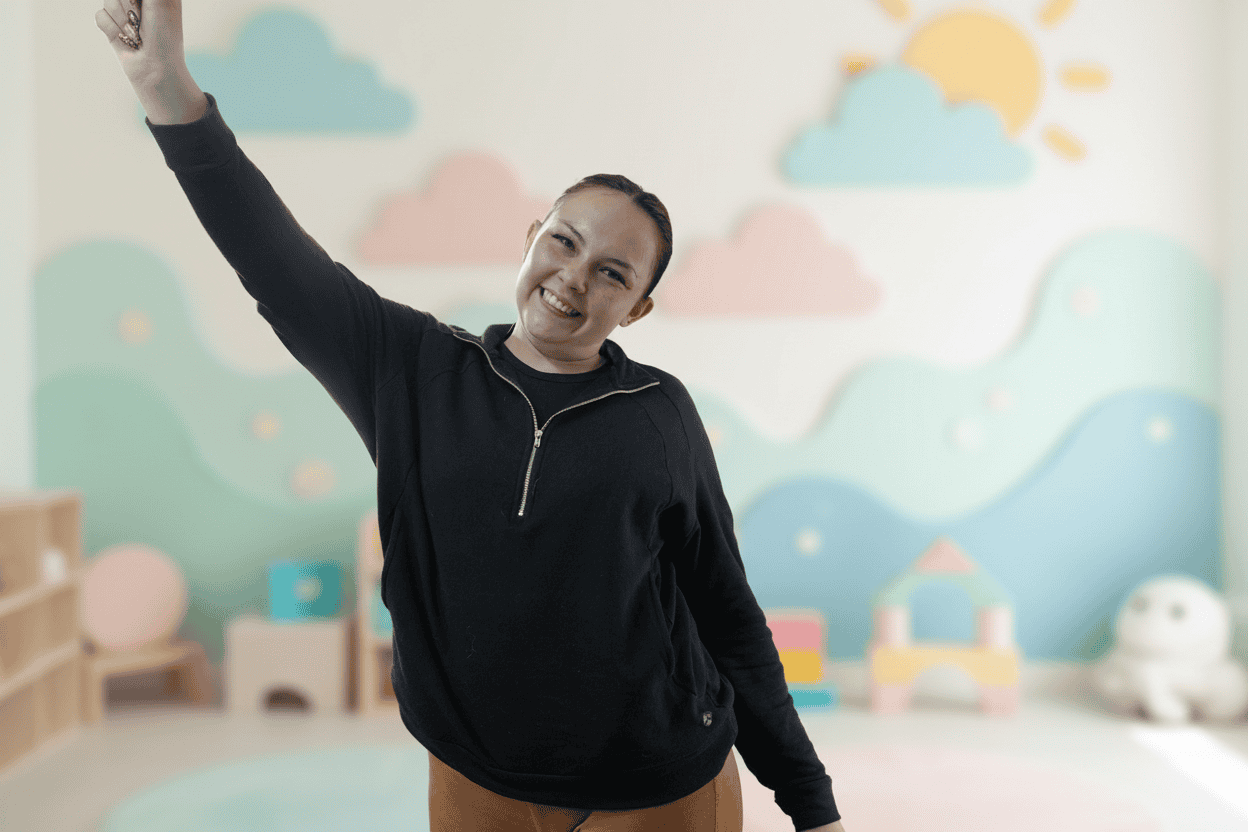
Alleah Church teaches children how to be calm. Picture Supplied


Adults have become fluent in the language of burnout and wellness. Dinner party conversations see at least one guest who never misses an opportunity to talk about boundaries and emotional regulation at the office or at home. This, as if they are new discoveries after years of stumbling through life and hitting the rat race daily.
Understanding and applying wellness, especially through self-care, is a skill. It’s a pity, said children’s wellness facilitator Alleah Church, that many of us only discover the tools to seek out calm and not calamity when we’re grownups. She said that calmness is a skill that can be taught early, before anxiety hardens us into adulthood.
Church works with children between the ages of three and thirteen at her practice in Benoni’s Heavenly Healing on the East Rand. Her sessions are not therapy, nor are they discipline by another name. “We create structured workshops to help children slow down and recognise what they are feeling, often for the first time,” she said. “The most important thing is that they are a safe space, where kids can be themselves and feel safe enough to relax and feel like they don’t have to have a guard up,” she added.
Safe unrushed space
The sessions are deliberately simple. Church said each encounter usually starts with a short icebreaker, often speaking about herself first, so the children do not feel questioned or put on the spot. From there, she introduces basic ideas around emotions and energy in language that fits the age group in the room. A short meditation or quiet moment follows, something many adults assume children would resist. They generally do not, she shared. “Most kids respond exceptionally well to it.”
Also Read: Woke has not cancelled good manners — yet
The objective is not behaviour correction. “The main goal is creating calmness,” she said. “They walk away with new tools on how to notice an emotion and deal with it safely.” Church uses a tool she calls a calm-down jar. Children help assemble it and are shown how to use it when emotions feel overwhelming. “It’s essentially a jar where we use objects like crystals and teach the kids how to displace negative emotions from themselves into a jar that will hold them,” she said. “The crystals are like batteries that can be charged with yuck-feelings like anxiety, closed up and forgotten about.” Sessions also include conversational elements that aid with emotional settling and situational awareness. Church said this helps children when they leave at the end of the workshop, no pressure or feeling rushed back into noise or stimulation.
Many of the children who attend Church’s sessions already struggle socially or behaviourally, but she said, parents and caregivers should take care not to frame this as something that needs fixing. “They just need basic, simple tools to be able to learn how to manage their own emotions,” she said.
Learning how to manage emotions
Older children, added Church, often already recognise when they are angry, anxious or overwhelmed, but do not know what to do with those feelings. Younger children often struggle to identify emotions at all. “Smaller kids don’t normally understand emotions they feel, so I help them understand what the emotions actually are and how to deal with them,” Church said.
Church was critical about the current education system and said that emotional or a form of wellness education rarely forms part of formal schooling. “Kids not only need academic learning, but they also need some extra attention in emotional areas too,” she said. “This, in formative years, helps road map people into better-adjusted adults.”
Now Read: How to enjoy school more
Support Local Journalism
Add The Citizen as a Preferred Source on Google and follow us on Google News to see more of our trusted reporting in Google News and Top Stories.

